Drug Rehab Loudon County, TN: 2026 Revolutionary Care
The Digital Change of Mental Health Services
The landscape of mental health care is undergoing a profound change. From new therapies to advanced technologies, these innovations are changing how we approach well-being. Communities like Loudon County, TN, are particularly impacted by the need for accessible and effective treatment.
We understand the critical importance of supporting individuals facing addiction and mental health challenges. This is why staying current with the latest advancements is essential.
In this guide, we will explore the cutting-edge developments that are improving mental health services. We will look at breakthroughs in treatment methods and how technology is making practice management more efficient. Our aim is to shed light on how these changes are creating a more hopeful future for mental health care.
The digital revolution has profoundly impacted nearly every sector, and mental health care is no exception. Technology is not just a tool; it’s a transformative force, breaking down geographical barriers and making mental health support more accessible than ever before. For residents in areas like Loudon County, TN, where specialized services might be less concentrated, digital solutions offer a lifeline to care that was previously out of reach.

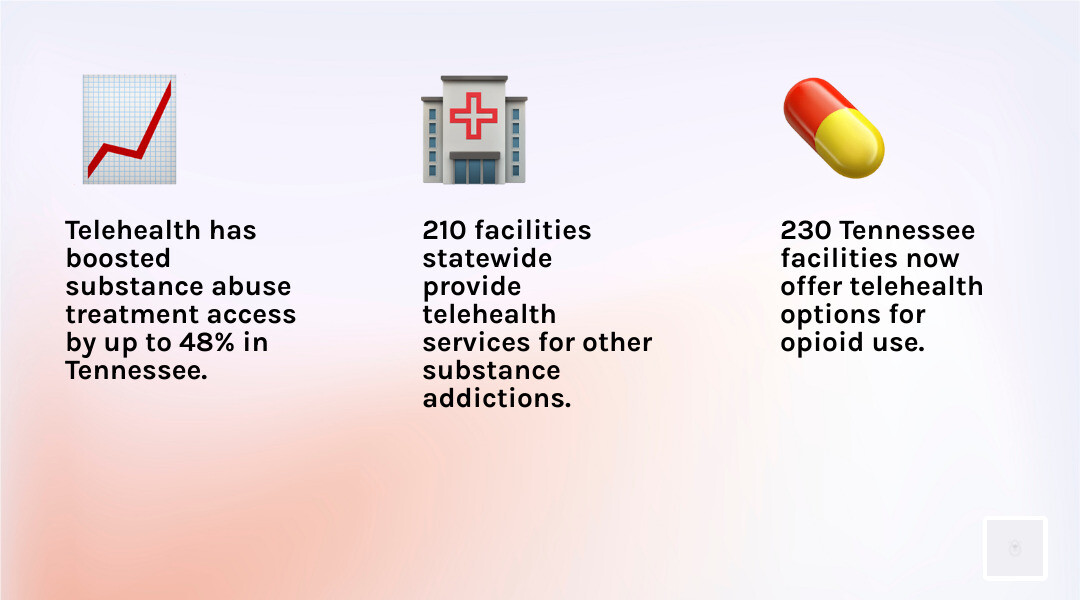
One of the most significant shifts has been the widespread adoption of telehealth platforms. These virtual spaces allow individuals to connect with therapists, psychiatrists, and counselors from the comfort and privacy of their homes. This convenience is particularly valuable in rural or semi-rural communities, reducing the need for long commutes and making it easier to fit appointments into busy schedules. We’ve seen how telehealth has increased access to substance abuse treatment by up to 48% in Tennessee, a statistic that underscores its profound impact. Imagine the difference this makes for someone in Loudon County seeking support, eliminating the burden of travel and potentially reducing the stigma associated with visiting a physical clinic. In fact, statewide data indicates that 230 substance use treatment facilities in Tennessee now provide telehealth options for opioid use, and 210 offer telehealth services for other types of substance addictions, highlighting the growing reliance on these digital avenues.
Telehealth Platforms
Beyond traditional video calls, virtual reality (VR) therapy is emerging as an innovative tool. VR environments can simulate real-world scenarios, helping individuals confront phobias, manage anxiety, or practice social skills in a safe, controlled setting. For example, a veteran struggling with PTSD might use VR to process traumatic memories with the guidance of a therapist, or someone with social anxiety could practice interactions in a virtual crowd before facing a real one. This immersive experience offers a unique dimension to exposure therapy and skill-building that traditional methods cannot replicate.
Mental health apps have also proliferated, offering a range of services from mood tracking and guided meditation to cognitive behavioral therapy (CBT) exercises and crisis support. These apps empower individuals to take a more active role in their daily mental wellness, providing tools for self-management and early intervention. While not a replacement for professional therapy, they serve as valuable complements, helping to sustain progress between sessions and offering immediate support during challenging moments.
Wearable technology, such as smartwatches and fitness trackers, is beginning to play a role by monitoring physiological indicators like heart rate, sleep patterns, and activity levels. This data can provide valuable insights into an individual’s stress levels and overall well-being, helping both patients and clinicians identify patterns and potential triggers. While still in its nascent stages, the integration of biometric data with mental health care holds promise for more personalized and proactive interventions.
Finally, AI-powered chatbots are providing preliminary support and information, acting as a first point of contact for many. These chatbots can offer guided breathing exercises, provide psychoeducational content, or direct users to appropriate resources. Their 24/7 availability ensures that support is always just a few taps away, a crucial factor when considering that 90% of adults in Tennessee who require addiction treatment do not receive it, often due to accessibility issues.
Benefits of Teletherapy:
- Accessibility: Overcomes geographical barriers, especially in rural areas.
- Convenience: Allows for sessions from home, reducing travel time and disruption to daily life.
- Reduced Stigma: Offers a discreet way to seek help, encouraging more individuals to engage in treatment.
- Cost-Effectiveness: Can reduce costs associated with travel and sometimes offers more affordable session rates.
- Flexibility: Easier scheduling, accommodating diverse lifestyles and work commitments.
- Continuity of Care: Maintains consistent support even during travel or unforeseen circumstances.
These digital advancements are not just about convenience; they are fundamentally reshaping the landscape of mental health care, making it more inclusive, responsive, and ultimately, more effective for everyone, including those in Loudon County, TN.
Advancements in Therapeutic Approaches and Mental Health Innovation
Beyond the digital tools facilitating access, the very methods of mental health treatment are evolving at a rapid pace. We are witnessing a shift towards more personalized, targeted, and holistic approaches that promise greater efficacy and longer-lasting recovery. This evolution is crucial for addressing complex conditions like addiction and co-occurring mental health disorders, which are prevalent in communities across Tennessee.
One of the most exciting frontiers is personalized medicine in mental health. This approach tailors treatment strategies to an individual’s unique genetic makeup, brain chemistry, and psychological profile. Imagine a future where a simple genetic test could predict which antidepressant would be most effective for a patient, or identify individuals at higher risk for certain mental health conditions, allowing for early intervention. While still largely in the research phase, personalized medicine holds the potential to revolutionize how we diagnose and treat mental illness, moving away from a trial-and-error approach to one that is precise and highly effective.
Another area generating significant interest is psychedelic-assisted therapy. Substances like psilocybin and MDMA, when administered in controlled clinical settings with therapeutic guidance, are showing remarkable promise in treating conditions such as severe depression, PTSD, and addiction. These therapies are not about recreational drug use; rather, they involve carefully structured sessions designed to facilitate profound psychological insights and emotional processing. The initial research is compelling, suggesting these treatments could offer breakthroughs for individuals who haven’t responded to conventional therapies.
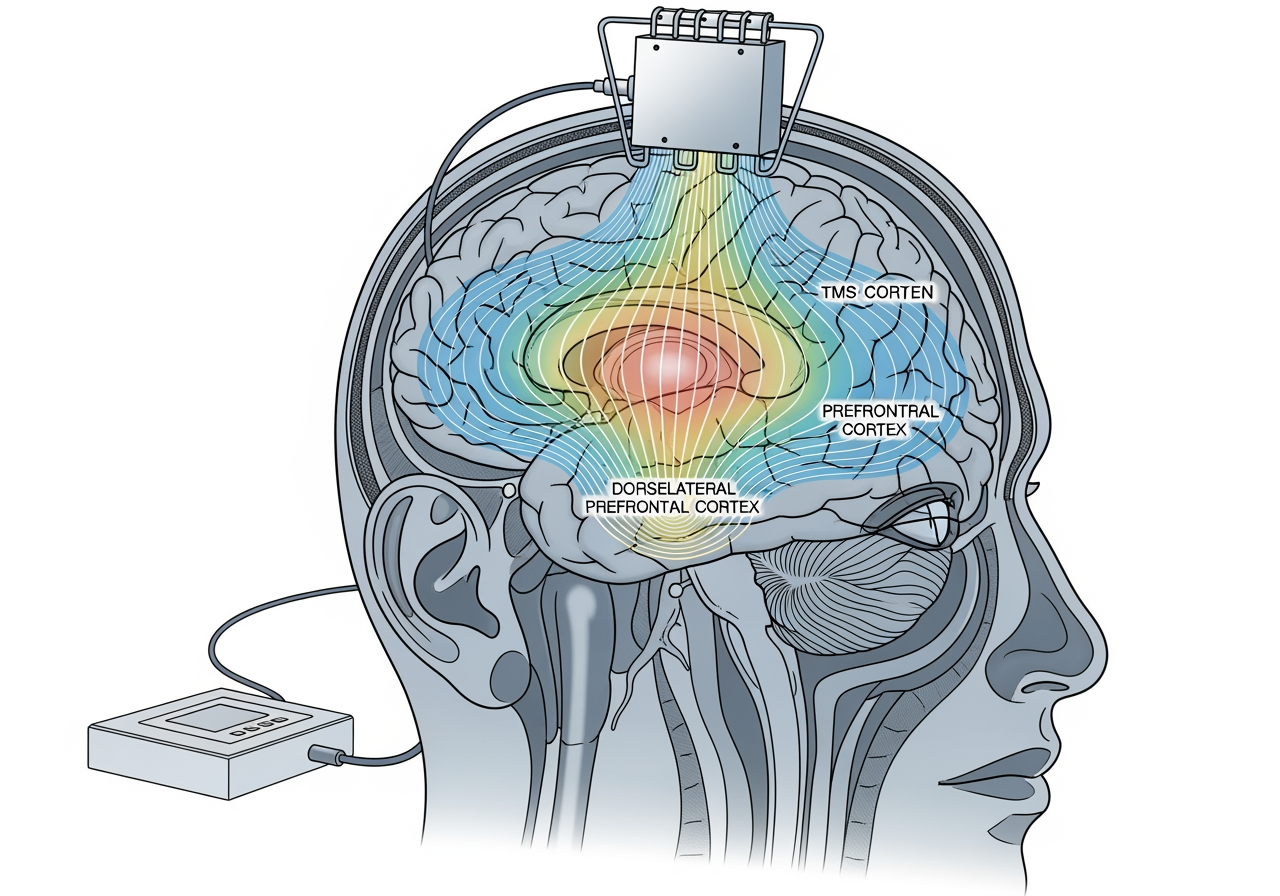
Neurostimulation techniques are also advancing, offering non-invasive or minimally invasive options for brain modulation. Transcranial Magnetic Stimulation (TMS), for example, uses magnetic fields to stimulate nerve cells in the brain to improve symptoms of depression and obsessive-compulsive disorder (OCD). Unlike electroconvulsive therapy (ECT), TMS is non-invasive and does not require anesthesia. For individuals with treatment-resistant depression, TMS can provide a much-needed alternative. Similarly, Ketamine therapy, often administered intravenously or intranasally, is being used for its rapid antidepressant effects, particularly in cases of severe depression and suicidal ideation. While the mechanisms are still being fully understood, ketamine works differently than traditional antidepressants, offering a new pathway to symptom relief.
These innovations represent a paradigm shift, moving beyond traditional talk therapy and medication to explore the complex interplay of brain function, genetics, and psychological experience. As these advanced therapies become more refined and accessible, they will offer new hope and more effective solutions for individuals struggling with mental health challenges, including those in Loudon County, TN, who may benefit from specialized, cutting-edge care.
The Evolution of Evidence-Based Therapies
While new modalities emerge, established evidence-based therapies are also continuously refined and expanded. We are seeing an evolution in how these foundational approaches are applied, making them more adaptable and effective for diverse populations and complex conditions.
Next-generation Cognitive Behavioral Therapy (CBT), for instance, builds upon the core principles of identifying and challenging maladaptive thought patterns but incorporates elements from other therapeutic models. This might include a greater emphasis on emotional regulation, acceptance, or mindfulness, making it more flexible and potent. For example, in addiction treatment, advanced CBT techniques help individuals not only recognize triggers but also develop robust coping mechanisms and alternative behaviors to maintain sobriety.
Dialectical Behavior Therapy (DBT), originally developed for Borderline Personality Disorder, has proven highly effective for a wider range of conditions, including substance use disorders, eating disorders, and chronic suicidal ideation. DBT focuses on teaching skills in four key areas: mindfulness, distress tolerance, emotion regulation, and interpersonal effectiveness. Its structured, skills-based approach empowers individuals to manage intense emotions and destructive behaviors, fostering greater stability and well-being.
Mindfulness-Based Cognitive Therapy (MBCT) combines cognitive therapy techniques with mindfulness practices. It helps individuals become more aware of their thoughts and feelings without judgment, breaking the cycle of negative rumination that often contributes to depression and anxiety relapse. By cultivating a non-reactive stance towards internal experiences, MBCT equips individuals with tools for long-term emotional resilience.
Trauma-informed care has become a cornerstone of modern mental health practice. Recognizing that many mental health and addiction issues stem from past trauma, this approach shifts the focus from “What’s wrong with you?” to “What happened to you?” It emphasizes safety, trustworthiness, peer support, collaboration, empowerment, and cultural humility in all aspects of treatment. This perspective ensures that services are delivered in a way that avoids re-traumatization and actively supports healing.
Finally, Somatic experiencing is gaining recognition for its effectiveness in treating trauma and stress-related disorders. This body-oriented therapeutic model helps individuals release trapped traumatic energy from the nervous system. Rather than solely focusing on cognitive processing of traumatic events, somatic experiencing guides individuals to notice physical sensations, allowing the body to complete self-protective responses that were interrupted during the traumatic event. This can lead to a profound and lasting resolution of trauma symptoms.
These evolving evidence-based therapies demonstrate a commitment to deeper understanding and more comprehensive treatment, offering individuals in Loudon County, TN, and beyond, a wider array of effective paths to recovery and mental wellness.
Holistic and Integrative Treatment Models
Modern mental health care increasingly recognizes that healing is not just about alleviating symptoms but about nurturing the entire person—mind, body, and spirit. This shift has led to the rise of holistic and integrative treatment models that complement traditional therapies with a broader range of wellness practices.
At the core of these models is the understanding of the mind-body connection. We know that physical health profoundly impacts mental well-being, and vice versa. Integrative approaches therefore often include practices that address both. For instance, yoga in therapy is used for its ability to reduce stress, improve mood, and improve self-awareness. The combination of physical postures, breathing exercises, and meditation can be particularly beneficial for individuals managing anxiety, depression, or the physical tension often associated with trauma.
Music therapy harnesses the power of sound and rhythm to address physical, emotional, cognitive, and social needs. Whether through listening, singing, or creating music, it can help individuals express emotions, reduce pain, improve communication, and promote relaxation. Similarly, art therapy provides a non-verbal outlet for self-expression, allowing individuals to explore difficult emotions, process trauma, and develop coping skills through creative processes like drawing, painting, or sculpting. These creative therapies can be particularly effective for those who find it challenging to articulate their experiences verbally.
Nutritional psychiatry is an emerging field that explores the profound link between diet and mental health. Research increasingly shows that what we eat can significantly impact brain function, mood, and even the risk of developing mental health disorders. Integrative treatment models might incorporate dietary counseling, focusing on nutrient-dense foods and gut health, to support overall mental well-being. This can be a crucial component, especially for individuals in recovery from substance use, where nutritional deficiencies are common.
The overarching goal of these holistic healing approaches is to empower individuals to achieve balance and well-being in all aspects of their lives. By integrating these diverse modalities, treatment centers offer a more comprehensive and personalized path to recovery, acknowledging that true healing extends beyond the absence of illness to the flourishing of the whole person. This comprehensive view ensures that individuals in Loudon County, TN, have access to a rich mix of therapeutic options designed to support their unique journey to mental wellness.
Integrated Care for Co-Occurring Conditions
One of the most critical innovations in mental health care is the recognition and treatment of co-occurring conditions, often referred to as dual diagnosis. It’s increasingly understood that mental health disorders and substance use disorders (SUDs) frequently go hand-in-hand. An individual struggling with depression might self-medicate with alcohol, or someone with an anxiety disorder might develop a dependence on prescription drugs. Ignoring one condition while treating the other often leads to poor outcomes and higher rates of relapse.
The traditional siloed approach, where mental health and addiction were treated separately, has proven ineffective for many. Today, the focus is on integrated treatment plans that address both conditions simultaneously and holistically. This means that an individual’s therapy for addiction will also incorporate strategies for managing anxiety or depression, and vice versa. This approach acknowledges the complex interplay between these issues, recognizing that they often exacerbate each other.
Furthermore, integrated care extends beyond just mental health and addiction to include physical health. Many individuals with SUDs or chronic mental illness also face significant physical health challenges. Therefore, collaborative care models are becoming more prevalent, bringing together a team of professionals—psychiatrists, therapists, addiction specialists, primary care physicians, and case managers—to work in concert. This multidisciplinary approach ensures that all aspects of an individual’s health are considered and addressed, leading to more comprehensive and sustainable recovery.
Primary care integration is a key component of this model. By embedding mental health services within primary care settings, we can reduce stigma, increase early detection, and improve access to care. A patient visiting their family doctor for a routine check-up might also receive a mental health screening and, if needed, be immediately connected to a therapist or psychiatrist within the same clinic. This seamless integration can be particularly beneficial in communities like Loudon County, TN, where access to specialized mental health providers might be limited, making primary care a vital gateway to support.
Addressing co-occurring conditions through integrated care is not just a best practice; it’s an essential step towards truly effective and compassionate mental health treatment. It acknowledges the whole person, their interconnected challenges, and their potential for comprehensive healing.

A Key Mental Health Innovation: Treating the Whole Person
The concept of treating the “whole person” is at the heart of modern integrated care. It moves beyond a symptom-focused approach to understand and address the underlying factors contributing to an individual’s mental health and addiction challenges. This holistic perspective is crucial for achieving lasting recovery, especially when dealing with co-occurring disorders.
For individuals facing both mental health conditions and substance use disorders, integrated treatment plans are paramount. These plans are designed to tackle both issues concurrently, recognizing that progress in one area often supports progress in the other. For example, managing symptoms of anxiety can reduce the urge to self-medicate with substances, while achieving sobriety can significantly improve mood stability and cognitive function. This synergistic approach ensures that neither condition is left untreated, preventing a cycle of relapse and frustration.
A vital component of integrated care, particularly for substance use disorders, is Medication-Assisted Treatment (MAT). MAT combines FDA-approved medications (such as buprenorphine, naltrexone, or acamprosate) with counseling and behavioral therapies. This evidence-based approach has been shown to be highly effective in treating opioid use disorder and alcohol use disorder, reducing cravings, preventing overdose, and supporting long-term recovery. For residents of Loudon County, TN, access to MAT can be a life-saving intervention, offering a pathway to stability that might not be achievable through therapy alone.
Comprehensive programs that effectively integrate mental health and addiction treatment are essential. They provide a structured environment where individuals can receive appropriate medical care, engage in various therapies, and develop crucial coping skills. Many now consider the Kingdom Recovery dual diagnosis model a standard for treating addiction and mental health concurrently, highlighting the importance of a unified approach that addresses the intricate relationship between these conditions. This model emphasizes individualized care, ensuring that each person’s unique needs and challenges are met with a custom treatment strategy.
The commitment to treating the whole person, with integrated plans and evidence-based interventions like MAT, represents a significant innovation in mental health. It offers a more compassionate, effective, and sustainable path to recovery for individuals struggling with the complexities of co-occurring conditions, fostering hope and resilience in communities like Loudon County, TN.
Revolutionizing Practice Management with Technology
While innovations in treatment modalities and integrated care are changing patient outcomes, technological advancements are also revolutionizing the operational side of mental health services. Efficient practice management is critical for ensuring that clinics can deliver high-quality care effectively and sustainably, especially as demand for services grows in areas like Loudon County, TN.
One of the most impactful changes has been the widespread adoption of Electronic Health Records (EHRs). Moving away from paper-based systems, EHRs allow for centralized, secure, and easily accessible patient information. This means that a therapist, psychiatrist, and primary care physician can all access the same comprehensive record, improving coordination of care and reducing the potential for errors or redundant tests. For a patient transferring between different levels of care or different providers, EHRs ensure a smooth transition and continuity of treatment.
Alongside EHRs, specialized practice management software has streamlined countless administrative tasks. This software often integrates scheduling, billing, and patient communication into a single platform. Features like automated appointment reminders can significantly reduce no-show rates, while integrated payment processing simplifies financial transactions for both patients and providers.
Automated billing systems are another game-changer. These systems can automatically generate and submit claims to insurance companies, track payments, and manage accounts receivable. This reduces the administrative burden on staff, minimizes billing errors, and accelerates reimbursement cycles, allowing clinics to focus more resources on patient care. Given the complexities of insurance coverage for mental health services, efficient billing is paramount for financial stability.
Insurance verification tools are becoming increasingly sophisticated. These tools can quickly determine a patient’s eligibility and benefits for mental health and addiction treatment, often before the first appointment. This transparency helps manage patient expectations regarding costs and ensures that clinics can accurately bill for services, reducing financial surprises for everyone involved. For individuals in Loudon County, TN, trying to steer the often-confusing world of insurance for rehab, these tools provide clarity and peace of mind.
Finally, secure patient portals are empowering individuals with greater control over their health information and communication with their care team. Through these portals, patients can schedule appointments, request prescription refills, view lab results, access educational materials, and communicate securely with their providers. This improved communication fosters a more collaborative relationship between patients and their care teams, leading to greater engagement and adherence to treatment plans.
These technological solutions are not just about efficiency; they are about creating a more seamless, transparent, and patient-centered experience, ultimately supporting the delivery of better mental health care.
Improving Access and Efficiency in Mental Health
The technological innovations in practice management directly translate into tangible benefits for both mental health providers and the individuals they serve. The overarching goals are to improve access to care and improve the efficiency of service delivery, ensuring that more people can receive the support they need when they need it.
One significant benefit is streamlined intake processes. Automated forms, online assessments, and digital document signing reduce the time and paperwork associated with a patient’s initial entry into care. This means less administrative burden for staff and a smoother, less daunting experience for individuals seeking help, which can be crucial for those already feeling vulnerable.
The reduced administrative burden on clinicians and support staff is profound. By automating tasks like scheduling, billing, and record-keeping, mental health professionals can dedicate more of their valuable time and energy to direct patient care. This not only improves job satisfaction for staff but also improves the quality of interactions with patients.
Furthermore, practice management software provides data-driven insights. By analyzing trends in appointments, treatment outcomes, and patient demographics, clinics can identify areas for improvement, optimize resource allocation, and tailor their services to better meet community needs. For example, a clinic might find a high demand for specific types of therapy in Loudon County, TN, and adjust its offerings accordingly.
Improved patient communication is another key advantage. Secure patient portals and automated messaging systems ensure that individuals receive timely information, reminders, and support. This continuous engagement can increase treatment adherence and foster a stronger therapeutic alliance. When patients feel connected and informed, they are more likely to stay engaged in their recovery journey.
Crucially, all these technological advancements are designed with HIPAA compliance at their core. Ensuring the privacy and security of sensitive patient information is non-negotiable. Modern practice management systems employ robust encryption, access controls, and auditing features to protect confidential data, giving both patients and providers confidence in the security of their health records.
By embracing these technological solutions, mental health practices can operate more effectively, reduce barriers to entry, and ultimately extend their reach to more individuals in need. This means a more accessible, responsive, and higher-quality mental health care system for communities like Loudon County, TN, paving the way for a healthier future.
Conclusion: The Future of Mental Health Care
The journey through the innovations in mental health care, from groundbreaking treatments to practice management, paints a vivid picture of a future filled with hope and greater accessibility. We are witnessing a profound change that is making mental health support more personalized, integrated, and efficient than ever before.
The landscape is characterized by continued innovation, with researchers and practitioners constantly exploring new frontiers. From neurostimulation techniques and psychedelic-assisted therapies to advanced applications of AI and virtual reality, the tools at our disposal are becoming increasingly sophisticated and effective. These developments promise to offer solutions for even the most challenging conditions, providing new avenues for healing and recovery.
A critical aspect of this evolution is the ongoing push for destigmatization. As mental health conversations become more open and mainstream, and as access to care improves through digital and integrated models, the barriers of shame and misunderstanding are slowly eroding. This cultural shift is vital, encouraging more individuals in communities like Loudon County, TN, to seek help without fear of judgment.
The vision for global mental health is also taking shape, with technology playing a key role in extending support beyond traditional borders. While our focus here is local, the principles of accessibility and innovation have universal application, demonstrating how localized successes can inform broader strategies.
Predictive analytics will further refine our approach, allowing us to identify individuals at risk earlier and intervene proactively. By analyzing vast datasets, we can gain insights into treatment effectiveness, personalize care pathways, and even anticipate potential crises, moving mental health care from reactive to preventive.
However, as we accept these advancements, we must also grapple with the ethical considerations that accompany them. Issues of data privacy, equitable access to cutting-edge therapies, and the responsible use of AI in clinical settings require careful thought and robust frameworks. Ensuring that these innovations serve all members of society, particularly vulnerable populations, remains a paramount responsibility.
The goal is to foster a world of empowered patients. Individuals who are informed about their conditions, actively involved in their treatment decisions, and equipped with the tools and support to manage their mental well-being throughout their lives. The innovations we’ve explored are not just about new technologies or therapies; they are about creating a system that truly cares for the whole person, offering a path to lifelong recovery and flourishing.
For communities in Loudon County, TN, and across the nation, these innovations mean a brighter future where mental health is prioritized, accessible, and integrated into overall well-being. We are collectively writing the next chapter in mental health care, and it promises to be one of profound healing and change.

Heard some buzz about 79fbet and decided to try it. It’s alright. Games are what you’d expect. I’d say give it a go if you’re bored. 79fbet
Checked out 7betcasino the other day. Pretty standard casino experience, but they have some decent promotions. 7betcasino
For those looking for a Jili fix, 80 Jili PH Login seems reliable. Smooth login process and the games run well. Good luck! 80 jili ph login