Key Takeaways
- Invoice finance allows small businesses to maintain healthy cash flow and seize growth opportunities without taking on new debt.
- This form of funding is highly flexible and scales with sales, making it well-suited for businesses with fluctuating cash flow needs.
- Choosing the right provider involves evaluating fees, reputation, and alignment with business needs.
Understanding Invoice Finance
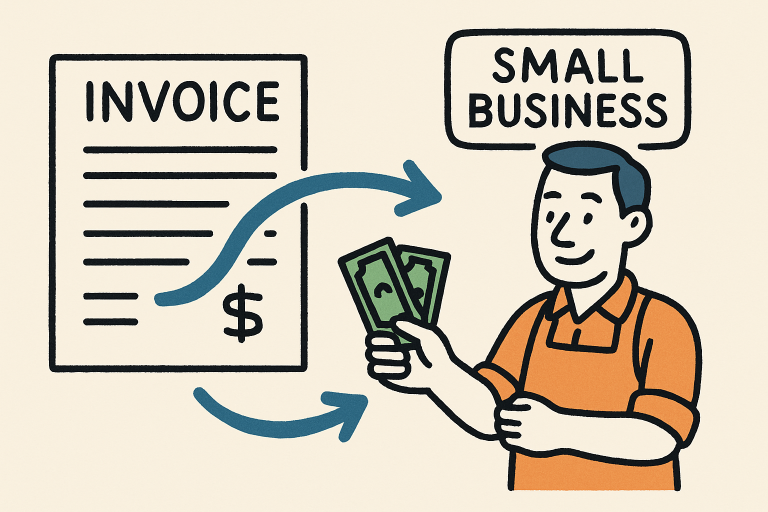
For many small businesses, waiting for clients to pay invoices can create severe cash flow bottlenecks. Delays in receivables may halt operations and restrict strategic investment, leading to missed opportunities. Invoice finance offers a practical solution to these problems by providing businesses with immediate access to the funds tied up in unpaid invoices. Companies achieve this by selling their unpaid invoices to a financier at a discount, a process that is quick and efficient.
This funding option is all about unlocking tied-up capital in receivables so business owners do not have to wait for delayed payments. Instead of chasing overdue accounts, they can maintain healthy cash flow and respond quickly to market opportunities, supplier needs, or unexpected expenses.
Invoice finance appeals to businesses across many sectors due to its simplicity and speed. It avoids the lengthy approval times and stringent requirements often associated with traditional lending. With fast access to working capital, small businesses can remain agile and responsive in competitive markets.
Another core advantage of invoice finance is that it grows in tandem with your company’s sales. When your receivables climb, so too does your funding potential, creating a scalable solution for both stable and fast-growing businesses.
Benefits of Invoice Finance for Small Businesses
- Accelerated Cash Flow: Immediate access to funds empowers businesses to pay suppliers, manage payroll, and invest in inventory or marketing without delay. This advantage can prove decisive in competitive markets where timing is critical.
- Financial Flexibility: Unlike fixed-term loans or lines of credit, invoice finance flexes in accordance with your sales and invoice volume. When you generate more invoices, you can access more working capital to meet growing demand.
- No Additional Debt: Instead of taking on new liability, invoice finance leverages the business’s own assets, its receivables. This means it will not affect your credit rating or load down your balance sheet, supporting long-term financial health.
- Stronger Supplier Relationships: Immediate access to funds can help you pay your suppliers on time, which may secure better terms, discounts, or a dependable reputation in your supply chain.
Real-World Applications
Imagine a manufacturer who lands a significant contract that requires a large outlay for raw materials and labor. Often, these deals come with lengthy payment terms, 60 or even 90 days. Using invoice finance, the manufacturer does not have to wait to get paid before starting the next project or ordering more stock. Instead, funds flow back into the business as soon as the invoice is raised, allowing production to continue without interruption.
Likewise, businesses with seasonal peaks, such as retailers and construction firms, frequently struggle to manage expenses when income lags behind sales. By converting their receivables into up-front cash, they avoid financial stress during lean months and quickly gear up for busy periods.
Market Trends and Data
The importance of invoice finance is growing worldwide, reflecting a shift towards more agile business funding solutions. As of May 2025, the global invoice financing market reached $4.5 trillion, making it an integral part of liquidity management across many industries. This figure illustrates not just widespread adoption but a crucial reliance by small and medium enterprises looking to future-proof their operations. Relevant industry analysis from Forbes Advisor underscores the value of invoice funding as a mainstream cash flow management strategy.
Choosing the Right Invoice Finance Provider
When selecting an invoice finance partner, business owners should consider several important factors. Reputation and experience, particularly if the provider has a proven background in your industry, will influence service quality. Transparent fee structures are equally vital; review all terms carefully to ensure there are no hidden charges or obligations that could harm cash flow.
Flexibility in contract terms and advance rates should also align with your enterprise’s cash flow cycles and expected growth. Many businesses benefit from providers who offer a dedicated account manager and efficient online platforms that streamline invoice submission and payments. Lastly, ensure the provider fully complies with local regulations and provides transparent dispute-resolution processes in the event of discrepancies.
For a detailed breakdown of how invoice financing compares to other types of business funding, you can refer to this resource article from Forbes Advisor.
Conclusion
Invoice finance provides small businesses with a practical way to strengthen cash flow and sustain financial stability in competitive markets. By turning outstanding invoices into immediate working capital, companies reduce the strain caused by delayed customer payments and maintain consistent daily operations. This improved liquidity enables business owners to pay suppliers on time, meet payroll obligations, invest in inventory, and pursue expansion opportunities with confidence. Rather than waiting weeks or months for payments, invoice finance delivers faster access to funds, improving agility and planning. Ultimately, this flexible funding solution supports resilience, fuels growth, and establishes a stronger foundation for long-term success.
