All too often, travelers tend to build their vacations around checklists and travel itineraries, focusing. Unfortunately, rushing from one tourist hotspot to another can become exhausting, and travelers who take this approach seldom get the opportunity to truly immerse themselves in the culture, the local food, or connect with the people of the place they are visiting. While ticking off items on a checklist provides a sense of accomplishment, it rarely leaves travelers with lasting and meaningful memories of their journey. If you’re looking for a richer, more authentic travel experience, here’s how to build a trip around experiences, not checklists.
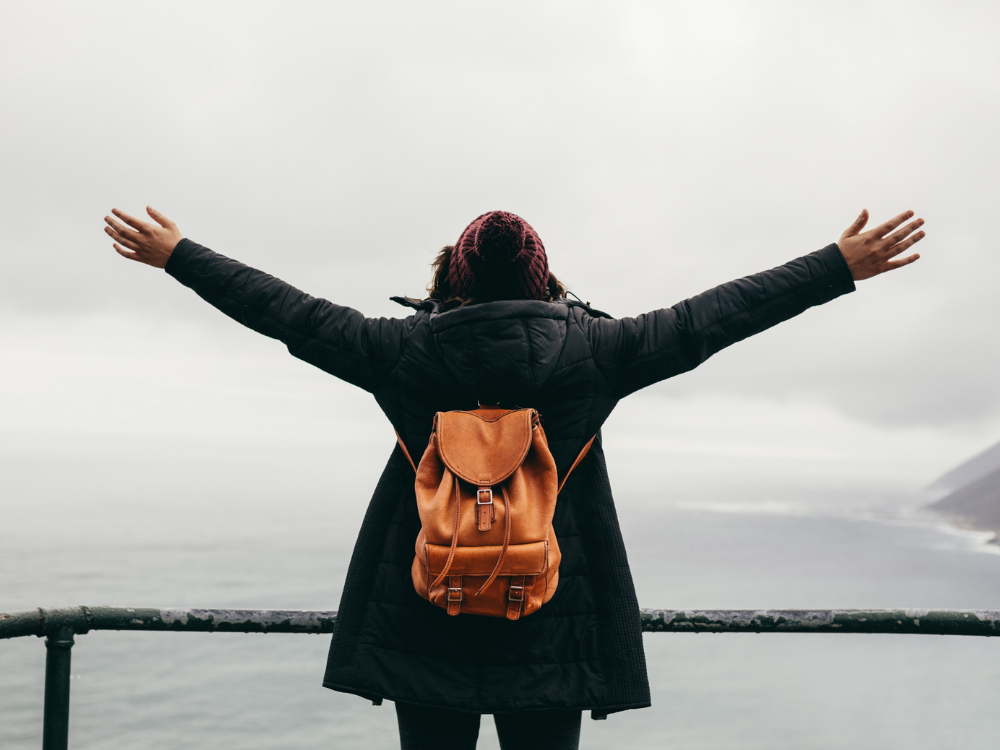
Recognize the Importance of Experiences
To truly appreciate your journey, you first need to understand the difference between being a tourist and being a traveler. Tourists tend to flock to popular sites and attractions to snap photos, often without experiencing the true beauty around them. Travelers, on the other hand, focus on enriching experiences, like having a picnic under the Eiffel Tower, getting lost in the narrow alleys of Barcelona, or going to experience the opera.
Experiences provide a much deeper connection to a destination. They immerse you in the local culture, cuisine, and dialogue, which allows for genuine interactions with locals and fellow travelers. Experience-focused travelling is about quality over quantity, rather than rushing to check off as many items as possible from a list.
Research and Plan Ahead
Planning ahead is key when arranging a trip centred around experiences. Once you have chosen your destination, research to understand its culture, customs, and history. Determine the experiences you want to have. For example, if you are traveling to Japan, it might not be about seeing all of Tokyo’s skyscrapers, but about attending a traditional tea ceremony or visiting a small, rural onsen (hot spring) town.
Look into food tours, cooking classes, local craft workshops, and community events. Be sure to look beyond the typical “top 10 things to do” lists that bombard travelers. Use platforms like Airbnb Experiences, meetup.com, Couchsurfing, or even travel blogs and forums to find immersive and interesting experiences that suit your preferences.
Slow Travel
Try embracing the concept of ‘Slow Travel’. Slow travel encourages you to take a more leisurely pace, allowing you to connect more deeply with the culture, local people, and environment around you. It means staying longer in a single place, taking day trips, and focusing on experiencing and understanding your surroundings. Slow travel is often a good approach for parents, as it makes for a less stressful experience for families.
An example of slow travel might look like spending a week living on a Tuscan farm, learning how to make pasta from the nonna next door, or volunteering in an animal rescue center in Costa Rica, whilst learning Spanish.
Leave Room for Spontaneity
While planning is important, don’t forget to leave room for spontaneity. Travelling is all about adapting to new environments, broadening your horizons, and breaking out of your comfort zone. So, allow yourself to be open to any new experiences that might come your way. Stumble upon a local music festival, join a local family for dinner, or decide on a last-minute scenic train journey. These unplanned events can often end up the highlight of your trip.
Connect with Locals
Lastly, be sure to connect with locals. They can provide you with priceless insights into the culture, daily life, and hidden gems that might not be found in tourist guides. Don’t just ask for directions, engage in a conversation. Attend local events, visit community markets, and shop from locally owned businesses.
To build a trip around experiences, you need to prioritize quality over quantity, do some research, consider ‘slow travel’, be open to spontaneous adventures, and make sure to connect with locals. Finally, remember that experiences bring you the sense of connection, learning, and growth that create lasting and meaningful memories.
