The arrival and birth of a child is portrayed and enclosed in a notion that it’s one of life’s most wonderful milestones, but for many fathers, this can also be a time when they experience some struggle with their emotions. Postpartum depression in dads, also referred to as the paternal postpartum depression is a condition that’s real and serious. It’s also known to affect a significant number of new fathers. Although there is a notable growth in awareness of maternal postpartum depression, most of the time the father’s mental health challenges are still overlooked, which is why many fathers still suffer in silence.
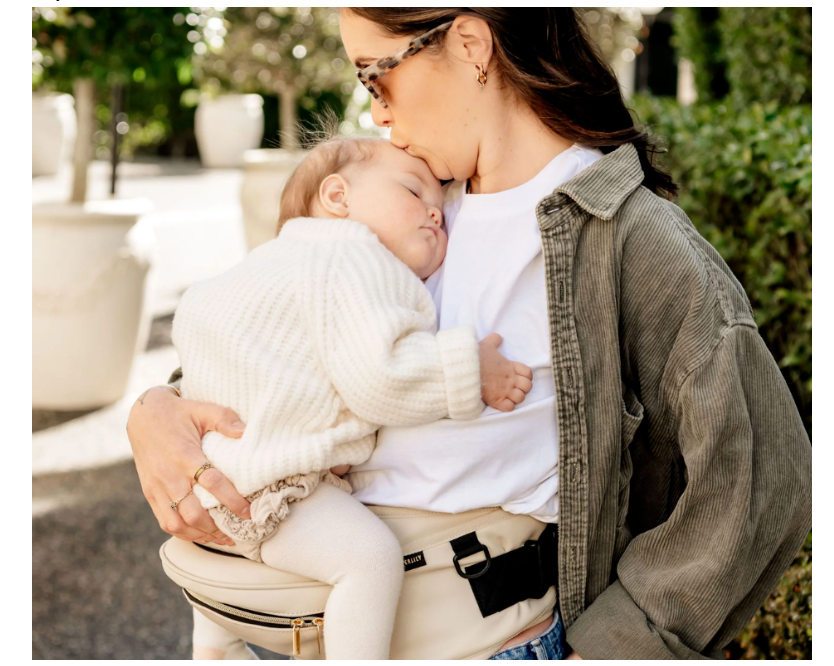
Once you become a father, you will go through and experience drastic changes from new responsibilities, lack of sleep, shift in relationships, and financial pressure. Most of the time, every moment can look joyful when you’re spectating from the outside, but within themselves, they feel an overwhelming feeling. Although bonding tools like an infant hip carrier can be useful for dads to feel physically close to their little ones and involved in the caregiving, but the emotional connection that you’re building doesn’t guarantee that you’ll not experience mental health struggles. Having an understanding and awareness of the PPPD is one of the best way into breaking the stigma around it and ensuring new fathers that they will get the support that they need.
Understanding Paternal Postpartum Depression (PPPD)
Postpartum depression, which most new dads experience, is a depressive disorder that happens during the first year after a child’s birth. From numerous research, 1 in 10 fathers experience postpartum depression. The rate significantly increases if the mother is also affected. PPPD is not like the maternal postpartum depression, it’s not caused by the pregnancy hormones but the psychological, relational and the drastic lifestyle changes that happens in time when they enter the new phase of their life which is parenthood.
The pressure to be the “strong one” is heavily on the father’s shoulders, they suppress their emotions to support the family and their partner. Given this extreme expectation, they find it difficult to acknowledge the distress they’re feeling which makes the symptoms worse with time. PPPD is a medical and psychological condition that shouldn’t be ignored, it doesn’t mean you’re weak, it’s an illness. Postpartum depression in dads isn’t something that you have to ignore, or just think that it’s a phase, it’s something that needs acknowledgement and caring for.
Common Symptoms and Warning Signs in Fathers
When we talk about the symptoms of postpartum depression in dads it’s a whole different than of the symptoms usually seen in mothers. Although there are similar symptoms like sadness and low moods, fathers can experience more of externalized symptoms. Other symptoms include anger, emotional withdrawal, increased irritability, conflict, or even feelings of detachment from the baby.
Some other warning signs that can manifest when you’re going through postpartum depression in dads includes fatigue that doesn’t seem to go away, changes in appetite or sleep unrelated to newborn care, loss of interest in hobbies, concentrating becomes extremely difficult, and there are feelings of inadequacy or hopelessness. Some fathers try to cope with unhealthy habits like overworking, use of substance, or avoidance behaviors to escape the overwhelming emotions that they’re feeling.
Differentiating PPPD from the “Baby Blues” in Dads
Being a new dad can feel rewarding, and at the same time stressful, along with other feelings that you can also feel which aren’t really on the positive side. Feelings like anxiousness and emotionally overwhelming feeling, especially by the first weeks through parenthood, and it’s totally normal. These feelings can also be referred to what’s so-called “baby blues”. It typically involves short-term mood swings, fatigue, and worry that can resolve within a few weeks as routines and bonding with the newborn develop progressively.
Postpartum depression in dads, when compared with the baby blues, is more persistent and more intense. Mostly the symptoms last for more than two weeks and usually affects the daily activities, relationship or even the bonding with your little one. If you notice that the emotional distress you’re feeling gets worse over time instead of improving, it can mean that this isn’t just stress, it could possibly be postpartum depression in dads.
Key Risk Factors for Developing Paternal PPD
There are a lot of known factors that plays a role in increasing the risk of postpartum depression in dads. When you have a history of depression or anxiety is one of the strongest predictors of it. Going through relationship struggles, feeling of lack of social support, stress financially and work-related pressure. These reasons have significant effect on the likeness of a postpartum depression for postpartum depression in dads.
Another major risk factor to developing postpartum depression in dads, is the lack of proper sleep or sleep deprivation. Anyone not getting enough sleep can affect how well you manage your mood, and cope with the responsibilities that needs to be done. It’s also considerable that men who have partners experiencing postpartum depression can highly affect them, likely putting them at a higher risk of experiencing postpartum depression themselves.
The Impact of PPPD on the Baby, Mother, and Family Dynamics
Postpartum depression in dads if left untreated doesn’t only affects the father but affects the entire family system. A depressed father can have struggles in engaging emotionally with their little ones, meaning that it can influence the early bonding and attachment. Much research suggest that the paternal depression can also affect a child’s emotional, behavioral and cognitive development over time.
At times, family relationships can also suffer. From the communication breakdowns, the increase in conflicts and the emotional distance that builds between partners are quite common. So, being able to support the father’s mental health is an essential not only for their well-being but it’s an essential for the stability and emotional health of the entire household.
Seeking Support: Treatment Options for Fathers
But here’s some good news about all this, postpartum depression in dads is treatable. There’s something you could do about it. With professional help, therapies like cognitive-behavioral therapy (CBT), can be helpful for fathers to identify the negative thought patterns that they are experiencing and develop a healthy coping strategy to get through episodes.
There are cases when medication is recommended, but those are of the moderate to severe cases of depression. Joining support groups can also be a powerful for many men. It offers fathers experiencing postpartum depression in dads, a safe place to talk about their feelings and provides reassurance that they aren’t the only one experiencing this. The earlier the intervention, the greater the outcome for both the families and the fathers themselves.
Practical Strategies for Partners and Family Support
The recognition and support from family members and partners, most especially, have a huge impact on fathers experiencing postpartum depression. A conversation with openness, understanding, and compassion can help encourage fathers to express their feelings without the fear of being criticized, dismissed or invalidated.
Sharing the caregiving responsibilities, validating how they are feeling or what they’re going through emotionally, and encouraging them to seek help, can make a meaningful difference for fathers who are feeling so much all at the same time. The loved ones should also watch out for warning signs that indicate that they’re not doing well mentally, such as persistent sadness, anger, or withdrawal. Talk to them, listen and suggest getting support when needed.
The Importance of Open Communication and Mental Health Awareness
Awareness and honest conversations are one huge step towards reducing the stigma surrounding postpartum depression in dads. Many fathers need to hear that it’s okay to struggle, to ask for help, and to prioritize their mental health alongside their family responsibilities and needs.
In the same sense, a supportive workplace, community and approachable health care providers are a huge help in normalizing paternal mental health talks. When fathers are supported emotionally, they are and will be better equipped to care for their children, build a stronger family bond and push through any kind of parenting challenge with resilience and newfound strength.
Conclusion
Postpartum depression in dads is real, it could happen to anyone, but it’s also a treatable condition. It’s important to remind our fathers that it’s not who they are; it’s a medical condition that deserves a fair share of attention and compassion. Fatherhood is a profound life transition; there is a lot of pressure and emotional struggles, but this doesn’t decrease the amount of love or his commitment to his family.
By means of recognizing the signs, addressing the risk factors, and just providing a listening ear. Having a supportive, nonjudgmental community can make fathers feel that they are supported and cared for. Healthy dads create healthy family bonds and a stable life, and understanding that postpartum depression in dads is more common than usual and should not be something to be ashamed of, it’s one step closer to the goal of awareness, self-help, and healing.
