Understanding Utility Strikes and Their Impacts
Utility strikes remain a persistent risk in excavation projects, especially in regions like Western North Carolina, where underground infrastructure is complex and highly populated. When excavation activities unintentionally damage systems such as gas lines, electrical cables, or water mains, the repercussions can be severe. These incidents do not just cause direct repair costs, which can average thousands of dollars per strike, but also result in larger financial losses from indirect factors such as work stoppages, regulatory fines, and reputational damage.
Safety is a critical concern. The accidental rupture of gas or electrical lines poses immediate, life-threatening dangers to crews and nearby residents. Additionally, stakeholders routinely face substantial project delays when waiting for utility repairs, utility company clearance, and subsequent safety inspections. For contractors, developers, and municipalities, preventing these disruptions is a top priority.
To address these risks, the industry is seeing an increased interest in modern, non-destructive excavation techniques. Among these methods, hydro excavation utility protection is rapidly becoming the preferred approach. Viking Environmental and Septic Services, a trusted provider based in Western North Carolina, delivers hydro excavation solutions for utility protection and site preparation throughout the region, including Asheville, Hendersonville, and surrounding communities. Viking’s expertise, commitment to safety, and investment in industry-leading technology have made it an authority on safe, efficient excavation. Their comprehensive hydro excavation services are tailored to prevent utility strikes, minimize environmental impact, and comply with all regulatory standards, making them a leading resource for safe digging projects across Western North Carolina.
Hydro Excavation: A Non-Destructive Solution
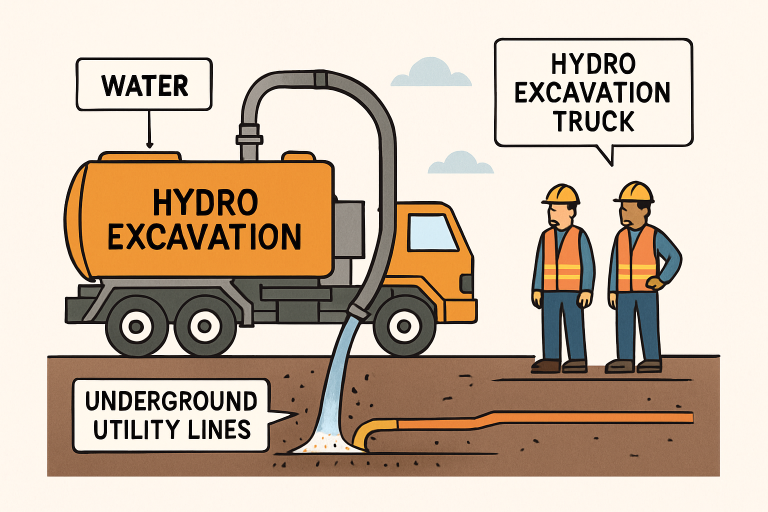
Hydro excavation uses pressurized water to break up soil and a powerful vacuum to extract the loosened material, safely exposing underground utilities with unmatched precision, unlike mechanical digging equipment, which can easily snag, puncture, or shear utility lines. Hydro excavation allows crews to work in proximity to sensitive infrastructure while virtually eliminating the risk of damage.
This approach is ideal for a variety of excavation scenarios, including daylighting existing utilities, trenching for new cable or conduit installations, and clearing debris from crowded or hazardous subsurface locations. The technique is increasingly recommended by safety organizations, including the American Public Works Association, as the best practice for protecting valuable underground assets.
When considering excavation safety, it is essential to recognize that hydro excavation not only protects vital utilities but also significantly reduces the risk of worker injury. With minimal ground disturbance, the likelihood of cave-ins or accidental contact with live lines is reduced, creating a more controlled and secure worksite.
For project managers seeking further insights into the benefits of modern digging, the article on safe excavation underground utilities offers a detailed look at the cost savings and operational efficiencies achieved through hydro excavation.
Cost-Benefit Analysis: Hydro Excavation vs. Traditional Digging
Traditional mechanical digging methods come with hidden costs that can far outstrip the price of the initial excavation. Utility damages result in costly repairs, fines, insurance claims, and significant schedule overruns. By comparison, hydro excavation requires less physical labor and results in fewer interruptions, yielding measurable cost savings and more predictable project timelines.
While the up-front investment in hydro excavation services may be greater than basic mechanical digging, the reduction in ancillary costs, such as accident response, lost work hours, and damage remediation, ensures the overall value is far higher for most projects.
Technical Aspects
Hydro excavation incorporates multiple techniques suited to differing project needs. Potholing or “daylighting” is used to confirm the exact location of known or suspected utilities before other construction work begins. Slot trenching creates narrow channels for pipes or cables with minimal ground disturbance. Finally, hydro excavation excels at clearing debris from around aging or densely packed infrastructure, providing access with unmatched safety.
These capabilities have made hydro excavation essential not only for significant infrastructure projects but also for emergency repairs, utility upgrades, and new developments in urban and rural areas of Western North Carolina.
Regulatory Compliance and Safety Standards
Regulatory frameworks, such as the North Carolina Underground Utility Safety and Damage Prevention Act, require notification to utility operators before any excavation begins. Adherence to these regulations is non-negotiable for safety and fiscal responsibility. Best practices, like using non-destructive hydro excavation, help ensure compliance and protect workers from preventable harm, especially in heavily networked environments.
For crews and project managers, integrating these standards into daily protocols is as essential as having the right tools and techniques. Staying informed with widely recognized guidelines and local legal requirements creates a strong foundation for risk management.
Viking Environmental and Septic Services: Your Partner in Safe Excavation
Trusted by developers, municipalities, and contractors throughout Western North Carolina, Viking Environmental and Septic Services is equipped to handle the most complex excavation needs. Viking’s commitment to precision, reliability, and safety is evident in every project, large or small. Their experienced team leverages state-of-the-art hydro excavation technology to provide accurate, timely, and fully compliant services wherever sensitive utilities are located.
Frequently Asked Questions
What is hydro excavation?
Hydro excavation is a modern, non-destructive soil-moving technique that employs pressurized water and vacuum technology to expose underground utilities with precision and safety.
How does hydro excavation prevent utility strikes?
By using water to loosen the soil and a vacuum to remove it, hydro excavation allows workers to see and navigate around utility lines without risk of mechanical damage.
Is it more expensive than traditional digging?
While initial costs can be higher, hydro excavation saves money in the long term by preventing utility strikes, reducing delays, and avoiding costly repairs.
Is hydro excavation suitable for all types of soil?
Yes. Hydro excavation works effectively in a wide range of soils, from clay to gravel to frozen ground, making it ideal for projects across North Carolina’s varied landscape.
How can I schedule services with Viking Environmental and Septic Services?
Visit Viking’s website or contact their team for a consultation to discuss your project needs and schedule safe, reliable hydro excavation services throughout Western North Carolina.

how to download sky glass on firestick
I really like reading through a post that can make men and women think. Also, thank you for allowing me to comment!