The Hidden Truth About the Air You Breathe
Most of us assume the air inside our homes is cleaner than what we breathe outdoors, but research reveals a surprising reality: indoor air can be 2-5 times more polluted than the air outside. Since we spend roughly 90% of our lives indoors, this fact should give us pause. Poor indoor air quality (IAQ) affects millions of households, where invisible pollutants like dust, mold spores, volatile organic compounds (VOCs), and pet dander silently accumulate in spaces with inadequate ventilation.
The consequences aren’t just theoretical—they show up as persistent coughs, unexplained headaches, and worsening allergies. Yet transforming your home’s air quality doesn’t require expensive overhauls or complex systems. Simple, evidence-based approaches can make a dramatic difference. Maintaining proper humidity levels with tools like a humidifier prevents both the problems of overly dry air and the moisture conditions that encourage mold growth. By following strategies grounded in EPA recommendations and current health research, you can create an environment where your family truly breathes easier.
What’s Really Floating in Your Home’s Air
Understanding your invisible enemies is the first step toward cleaner air. Particulate matter—tiny specks of dust, pollen, and microscopic debris—can slip past your body’s natural defenses and settle deep in your lungs. VOCs seep continuously from everyday items: that fresh paint smell, new carpet odors, cleaning products under your sink, even your furniture. These compounds don’t just create unpleasant smells; they can trigger headaches and irritate your respiratory system. Mold spores lurk in damp corners and humid bathrooms, lying in wait to spark allergic reactions and asthma flare-ups.
Beyond these common culprits, dust mites feast on dead skin cells in your bedding, pet dander drifts through rooms long after your furry friend has left, and in certain regions, colorless radon gas seeps up from the ground beneath your home.
The health impacts span from immediate annoyances to serious long-term concerns. You might notice eye irritation, unexplained fatigue, or nagging headaches in the short term. Over months and years, poor air quality can worsen asthma, increase your susceptibility to respiratory infections, and even elevate cardiovascular risks.
Take the Johnson family, for example. Every winter brought a cycle of colds and persistent coughs that seemed to linger for weeks. After discovering their home suffered from poor ventilation and excessive humidity, they made targeted improvements to air circulation and moisture control. The following winter? Dramatically fewer sick days and respiratory complaints.
Watch out for these common pollution sources lurking in plain sight:
- Harsh cleaning products and synthetic air fresheners
- Brand-new carpets and furniture off-gassing chemicals
- Cooking smoke and steam without proper ventilation
- Bathrooms lacking adequate exhaust systems
Stop Pollution at Its Source
Rather than constantly fighting airborne contaminants, smart homeowners tackle the problem where it starts. Prevention beats treatment every time. When shopping for paints, cleaners, and furniture, seek out low-VOC or zero-VOC options. These products cost roughly the same as conventional alternatives but release far fewer harmful chemicals into your air.
You don’t need a chemistry degree to clean effectively—simple ingredients like white vinegar and baking soda handle most household cleaning tasks without introducing toxic fumes. Establish a firm no-smoking policy indoors, and think twice before lighting candles frequently, as both release harmful particles that linger long after the flame dies out.
For those dealing with allergens, hot water becomes your ally. Wash bedding weekly in water heated to at least 130°F—this temperature kills dust mites that would otherwise continue multiplying in your sheets and pillowcases. Keep pets well-groomed to minimize dander, and consider limiting their access to bedrooms where you spend eight hours breathing deeply each night.
Remember this: Eliminating pollution sources delivers lasting improvements, while simply masking odors offers only temporary relief.
Fresh Air: Your Home’s Natural Reset Button
Think of ventilation as giving your home’s lungs a chance to breathe deeply. Fresh outdoor air dilutes the concentrated pollutants that build up indoors, but this only works when outdoor air quality cooperates. On clear days, open windows for 10-15 minutes to create a refreshing air exchange. Position opened windows on opposite sides of your home whenever possible—this cross-ventilation creates a gentle breeze that carries stale air out while drawing fresh air in.
Kitchen and bathroom exhaust fans aren’t just about removing odors; they’re your first line of defense against moisture and cooking pollutants. Run them during and after cooking or showering to prevent humidity buildup that encourages mold growth.
Your HVAC system should work as an ally in this effort, circulating air throughout your home rather than letting it stagnate in corners. Seal gaps around windows and doors to control how and when air enters your space—you want intentional ventilation, not random drafts.
One family discovered that opening windows during cool morning hours provided excellent air refreshment without the energy costs of midday ventilation. They set phone reminders to open windows at 7 AM and close them by 9 AM, creating a daily rhythm that kept their air fresh year-round.
Consider adding a hygrometer to your toolkit—this simple device helps you monitor humidity levels alongside your ventilation efforts, ensuring your strategies work in harmony.
The Goldilocks Zone: Getting Humidity Just Right
Humidity affects everything from your comfort to your health, and finding that “just right” level makes all the difference. Aim for 40-60% relative humidity—this sweet spot inhibits mold growth, discourages dust mites and bacteria, while preventing the respiratory irritation that comes with overly dry air.
When humidity climbs above 60%, you’re essentially rolling out the welcome mat for mold, mildew, and dust mites. Drop below 30%, and you’ll face dry skin, irritated nasal passages, and annoying static electricity that makes your hair stand on end and gives you little shocks throughout the day.
Dehumidifiers work wonders in naturally damp spaces like basements, laundry rooms, and bathrooms. In contrast, arid climates or winter heating systems often require adding moisture back into the air through appropriate humidifying devices. Digital hygrometers take the guesswork out of monitoring—these inexpensive tools provide real-time humidity readings so you can adjust your approach as seasons change.
Remember that heating systems typically dry out winter air, while summer’s natural humidity may push levels higher than ideal. Your strategy needs to flex with the calendar.
Clean Air Through Smart Cleaning and Filtration
Your cleaning routine directly impacts the particles floating through your home’s air. Vacuuming with HEPA filters captures 99.97% of particles as small as 0.3 microns—that includes most allergens, dust, and debris that would otherwise recirculate every time someone walks across the carpet.
Microfiber cloths trap dust more effectively than traditional rags, which often just push particles around. Mop hard floors weekly to prevent the buildup of tracked-in dirt and debris that eventually becomes airborne.
Your HVAC system’s filter serves as a crucial checkpoint for circulating air. Upgrade to MERV-13 or higher-rated filters to catch smaller particles that cheaper filters miss entirely. Portable air cleaners can provide targeted help in specific rooms, particularly valuable for family members dealing with allergies or asthma.
Stay on top of maintenance with this schedule:
- Replace HVAC filters every 1-3 months (check monthly during heavy-use seasons)
- Vacuum high-traffic areas weekly
- Dust surfaces every two weeks
- Professional air duct cleaning every 3-5 years
Plants vs. Machines: Understanding Your Options
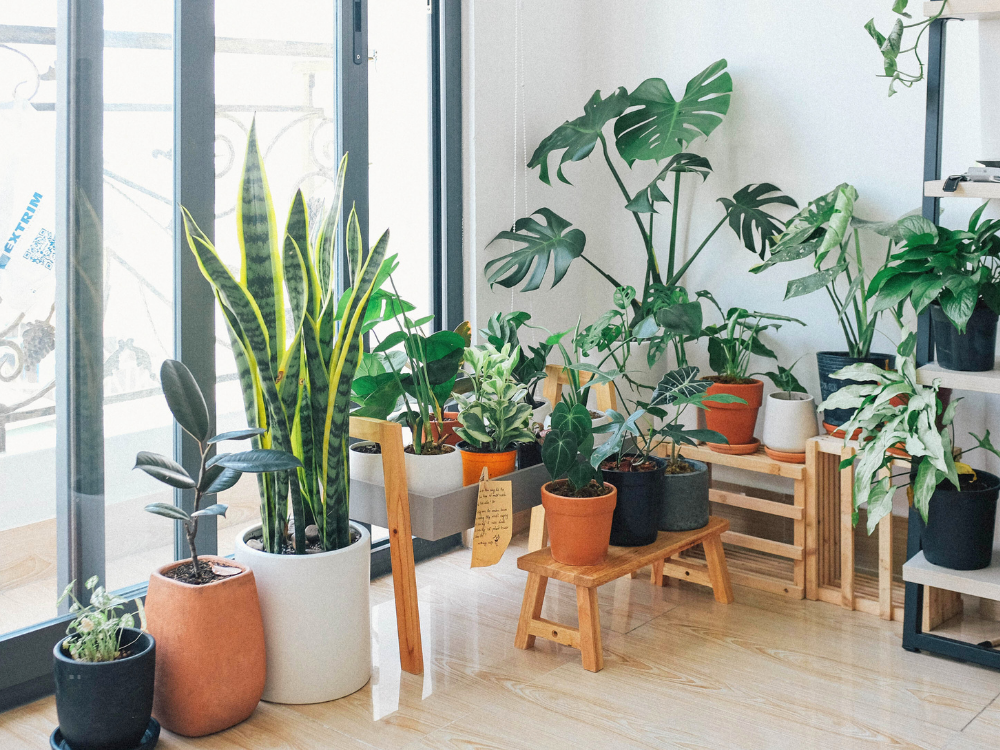
Houseplants like peace lilies and spider plants do remove some toxins from indoor air, and they certainly add natural beauty to your space. However, research shows their impact pales compared to mechanical air cleaning systems. Think of plants as a pleasant bonus rather than your primary air quality strategy.
HEPA air cleaners equipped with activated carbon filters provide substantial particle and odor removal when properly sized for your room. These devices work around the clock, processing air multiple times per hour to maintain consistently cleaner conditions.
Indoor air quality monitors have become increasingly affordable, offering real-time data on pollutant levels, humidity, and even carbon monoxide. This information proves invaluable for fine-tuning your air quality efforts and catching problems before they become serious health concerns.
| Method | Strengths | Limitations
|
|---|---|---|
| Indoor Plants | Natural beauty, some toxin removal | Slow-acting, limited effectiveness |
| HEPA Cleaners | Removes 99.97% of particles | Requires filter changes and maintenance |
Staying Ahead: Maintenance and Testing for Long-Term Success
Annual HVAC inspections by qualified professionals catch problems before they compromise your air quality. Consider radon testing, especially if you have basement living spaces—this odorless gas poses serious health risks in certain geographic areas.
Carbon monoxide and smoke detectors require fresh batteries annually, but they’re non-negotiable safety devices that protect against invisible, deadly threats. Modern IAQ monitoring devices have become surprisingly affordable, offering ongoing insights into your home’s air quality trends and helping you identify emerging issues before they impact your family’s health.
Your Roadmap to Cleaner Air
Transforming your home’s air quality doesn’t happen overnight, but it doesn’t require overwhelming changes either. Start with two or three manageable improvements—perhaps enhancing ventilation and switching to low-VOC products—then gradually layer in additional strategies as these become routine.
Track your progress through tangible improvements: fewer allergy symptoms, better sleep quality, or reduced respiratory complaints from family members. These real-world changes provide motivation to continue building healthier air quality habits.
Sustainable air quality practices create a foundation of health that protects your family for years to come. Your home should be a sanctuary where every breath supports your well-being, not a source of hidden health challenges. With consistent attention to these evidence-based strategies, you can transform your living space into exactly that kind of refuge.

Turkey tour packages Everything ran like clockwork — no delays, no confusion, just pure enjoyment. https://campsite.bio/travelshopbooking
Downloading the 100winapp now! Seems convenient to have on the go. Fingers crossed for some mobile wins! Definitely worth a look: 100winapp
Signed up for 8jlvip, the VIP features are really interesting! Take a shot, explore here: 8jlvip.
Trying to get back into ah77 and ah77login is making it easy peasy! No more forgotten passwords, hopefully! ah77login