Long, full lashes never go out of style, but the path to thicker lashes often sparks debate: homemade remedies or store-bought serums? Each option promises stronger, healthier lashes, yet they differ in cost, effort, and results. For most people who want quick and noticeable improvement, lash serums usually offer more consistent results than DIY mixtures.
DIY lash serums appeal to those who prefer natural ingredients and control what goes near their eyes. A simple blend of oils, vitamins, or plant extracts can help condition lashes over time. However, homemade recipes often lack the precise formulations that commercial serums use to target lash growth directly.
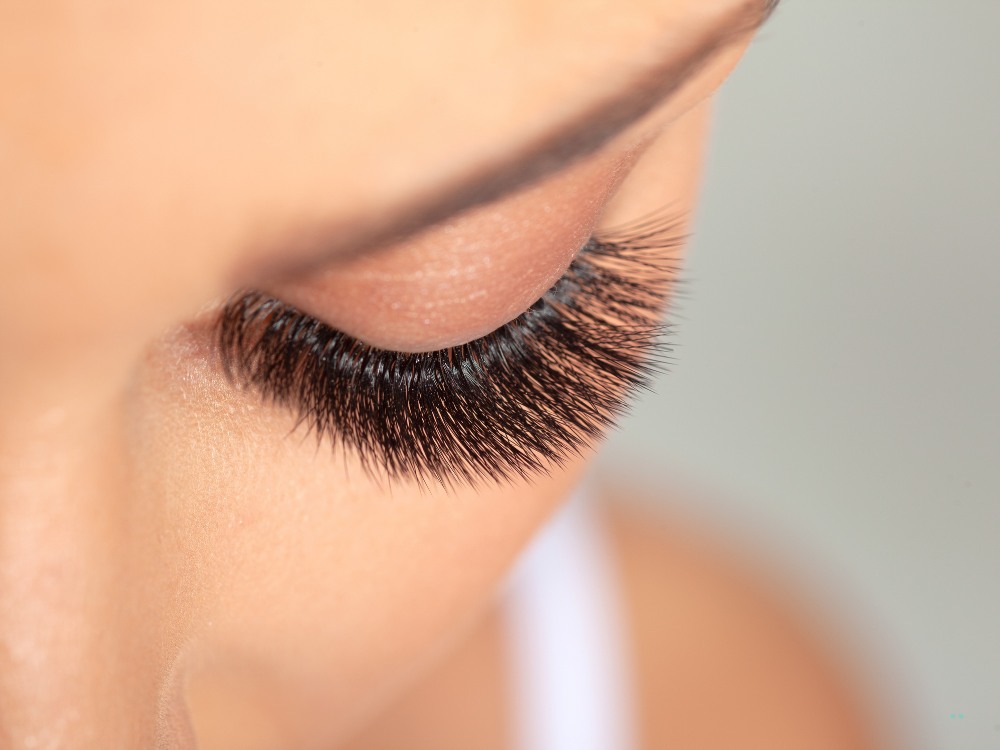
On the other hand, lash serums blend peptides, amino acids, and hydrators that nourish lash follicles and improve resilience. They require daily use but deliver measurable changes in a few weeks. Understanding how these two methods differ helps decide whether a natural approach or a clinically tested formula best fits one’s routine and goals.
Key Differences Between DIY and Commercial Lash Serums
DIY lash treatments and commercial lash serums target the same goal: thicker, stronger lashes, but they take different paths to get there. Homemade mixtures rely on natural oils and simple care routines, while professional formulas use science-backed compounds that act directly on lash follicles.
Efficacy for Achieving Thicker Lashes
DIY lash methods often use castor oil, vitamin E, or aloe vera to coat and moisturize lashes. These ingredients help reduce dryness and may slightly strengthen lash fibers. However, they do not affect lash growth cycles or increase length in a measurable way.
Commercial serums, such as a lash serum for thicker lashes, use active compounds like peptides and biotin to support natural growth. These ingredients work at the follicle level, helping lashes appear denser and fuller over several weeks. Most users notice visible results after consistent nightly application for one to three months.
DIY options can serve as gentle conditioners, but they rarely produce the same visible fullness achieved by a targeted serum that nourishes the roots directly.
Ingredients: Natural Oils vs. Advanced Compounds
DIY lash formulas usually include household oils. Castor and coconut oils can hydrate and coat lashes, preventing brittleness and breakage. They are easy to find and inexpensive but may clog follicles if applied heavily.
In contrast, commercial serums combine lightweight carrier ingredients with peptides, amino acids, and vitamins. These compounds signal lash follicles to extend the growth phase and reduce shedding. For example, peptide blends strengthen at the root while panthenol and hyaluronic acid boost flexibility and softness.
The balance of actives and delivery systems in commercial products allows faster absorption and longer-lasting results. DIY mixtures focus more on surface care and moisture protection rather than true follicle activation.
Safety, Sensitivity, and Side Effects
Homemade lash treatments have a simple ingredient list, which makes them appealing for sensitive users. However, using unsterile tools or applying oils too close to the lash line can cause eye irritation or clogged pores.
Commercial serums undergo safety testing, but some formulas use prostaglandin analogs that may irritate eyes or darken the skin along the lash line. Safer options rely on peptide-based formulas that support steady lash growth without harsh chemicals.
Regardless of choice, patch testing and careful application reduce the chance of redness or itching. Gentle cleansing before each use also keeps lashes clean and less prone to buildup or infection.
Best Practices and Ingredient Deep Dive
Healthy lashes depend on both nutrition and consistent care. Natural oils can supply needed moisture, while advanced lash serums deliver targeted nutrients that support stronger, more resilient lashes over time.
Top DIY Lash Serum Recipes and Application Tips
Homemade lash serum can be simple to prepare. A basic recipe often blends castor oil, coconut oil, and vitamin E oil in equal parts. Some people add a drop of lavender essential oil or rosemary essential oil for fragrance or potential circulation support. Mixing the oils in a clean mascara tube makes daily use easier and more hygienic.
To apply, users brush a thin layer at the lash roots before bed and remove excess oil with a tissue. A cotton swab should remain clean and dry between uses to reduce bacteria buildup near the eyelid. Results take time, so consistency matters more than how much product is applied.
DIY serums cost less and use readily available ingredients. However, exact results depend on the person’s lash health, how well the oils suit their skin type, and whether they cause irritation. A patch test on the inner arm can help avoid redness near the eyes.
Essential and Carrier Oils for Lash Health
Each oil offers different benefits for lash and follicle care. Castor oil, especially Jamaican black castor oil, has a high content of ricinoleic acid, which helps secure moisture in lashes and minimize breakage. Coconut oil and olive oil supply fatty acids that coat each lash strand, protecting it from dryness and rubbing damage during makeup removal.
Sweet almond oil adds a lightweight texture with vitamins A, B, and E that can strengthen brittle lashes. A drop of vitamin E oil in any DIY serum supports antioxidant protection, which may shield lash follicles from environmental stress. Aloe vera gel pairs well with oils because it hydrates without a greasy feel and helps calm sensitive skin around the eyes.
Essential oils should always be diluted with a carrier oil to prevent irritation. Overuse of strong oils can lead to redness or stinging along the lash line.
How Lash Serums Promote Growth and Strength
Lash serums differ from DIY mixtures because they combine peptides, vitamins, and antioxidants in one treatment. These ingredients support the natural growth phase of eyelashes by conditioning follicles rather than forcing faster growth. Many include amino acids and plant extracts, such as green tea, to protect delicate hairs from daily stress.
Clinical-style formulas target lash hydration and elasticity through humectants and strengthening agents. They help lashes resist dryness that results from mascara, makeup removers, and curling tools. With consistent use, lashes appear thicker and shinier because the serum improves strength at the follicle level.
Proper use involves applying a thin line of serum along clean lash roots once daily. Overapplication wastes product and increases the chance of irritation.
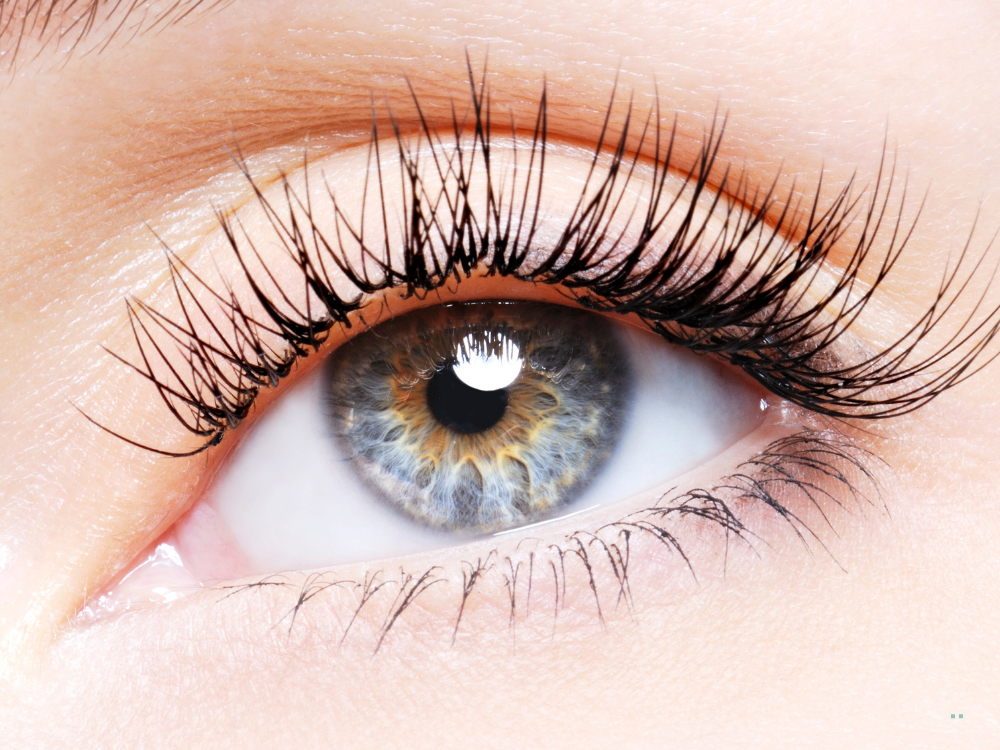
Comparing Long-Term Value and Ease of Use
DIY lash oils may cost less at first but require frequent mixing, proper storage, and short shelf life due to natural ingredients. Users must also manage hygiene carefully to prevent contamination from brushes or fingers. Each batch can vary slightly, so results often lack consistency.
Professional lash serums provide more stable formulas and longer shelf lives. They often require less product per application and dry faster, making them convenient for a daily beauty routine. While the upfront cost is higher, one tube lasts several months, which creates better long-term value for those seeking predictable results.
People who prefer a minimalist approach may choose a natural recipe with castor or almond oil, while those who want measurable lash conditioning benefits might consider a balanced serum with peptides and antioxidants. The best practice depends on comfort, skin sensitivity, and the desired balance between cost, effort, and performance.
Conclusion
Each option gives a different path to thicker lashes. DIY lashes add instant volume and definition without a salon visit, though they need steady hands and regular reapplication. Lash serums work slowly but help natural lashes grow stronger and fuller over time.
Some people prefer the quick results of DIY sets, while others value the gradual progress from a serum. Cost and maintenance also differ: DIY lashes are cheaper short-term, whereas serums give benefits that last with steady use.
Both methods can improve lash appearance if used correctly. The better choice depends on how much time, effort, and money someone wants to invest.

best france tour packages 2025 The best part of our trip was how well the team handled everything behind the scenes. We could relax and enjoy each destination knowing all the details were managed perfectly. https://www.facebook.com/travelshopbooking/?locale=ps_AF
arusha holidays TravelShop made our girls’ trip to Bodrum epic! Booked a chic hotel right in the heart of Bodrum town – walking distance to bars, marina, and castle. Rooftop pool, amazing breakfast, super stylish rooms. We didn’t want to leave! Already planning next year’s trip. https://campsite.bio/travelshopbooking
Another great option for mobile gamers is ev88apk. Game selection is good, and its convenient to play wherever! ev88apk