Reading glasses are an essential tool for millions of people who experience difficulty seeing close-up text as they age. However, despite their widespread use, many misconceptions continue to surround these glasses. Some of these myths can prevent people from seeking the help they need, while others may lead to confusion about how reading glasses actually work. In this post, we’ll debunk the most common myths about reading glasses, providing clarity and understanding about their purpose and benefits.
Reading glasses are designed to correct presbyopia, a condition where the lens of the eye loses its flexibility over time, making it harder to focus on objects up close. For many people, reading glasses become a necessity once they reach middle age. But despite their importance, a number of misconceptions continue to exist about them. Let’s explore the most common myths and clear up the confusion.
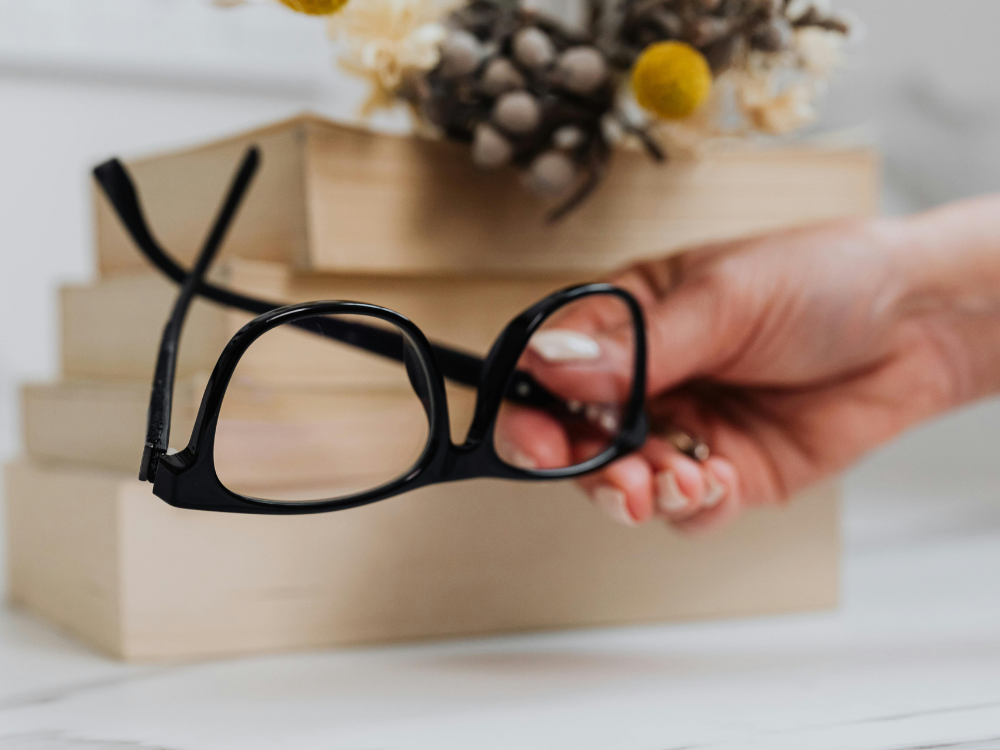
Myth 1: Reading Glasses Are Only for Older People
One of the most widespread myths about reading glasses is that they are only necessary for older people. While it’s true that presbyopia is commonly associated with aging, people of all ages can require reading glasses due to other factors. For example, prolonged screen time, eye strain, or even genetic conditions can lead to the need for corrective lenses at a younger age.
Why This Myth Persists:
The link between age and presbyopia is the primary reason this myth persists. As people get older, the lenses in their eyes lose elasticity, making it harder to focus on nearby objects. However, it’s not exclusively an age-related issue. Anyone can experience vision issues that require corrective lenses, so it’s essential not to overlook the possibility of needing reading glasses, regardless of your age.
Myth 2: Reading Glasses Will Make Your Vision Worse
Another common myth is that wearing reading glasses will make your vision worse over time. This is simply not true. Reading glasses do not weaken your eyesight or cause further damage; in fact, they help by reducing eye strain and providing the necessary magnification to help you see better.
Clarifying the Role of Corrective Lenses:
The purpose of reading glasses is to correct presbyopia, making it easier to focus on nearby objects. They provide magnification that helps your eyes focus without straining, which can reduce discomfort and improve your overall vision. While it’s important to use the correct prescription strength, wearing reading glasses will not exacerbate any underlying vision problems.
Myth 3: Once You Start Using Reading Glasses, You’ll Always Need Them
Some people believe that once they start using reading glasses, they will always need them, and their eyesight will continue to deteriorate. While it’s true that presbyopia progresses with age, this doesn’t mean your vision will always worsen or that you will always need the same strength of glasses.
How Vision Can Change Over Time:
Vision changes as part of the natural aging process, but this does not mean your eyesight will continuously decline once you start wearing reading glasses. With proper eye care, lifestyle adjustments, and regular eye exams, the need for stronger prescriptions can often be managed. In some cases, you might find that your vision improves in certain conditions, but it’s essential to follow your eye care professional’s advice to ensure your glasses meet your needs.

Myth 4: Any Pair of Reading Glasses Will Do
It’s tempting to pick up an inexpensive pair of reading glasses from a drugstore or online retailer, but not all reading glasses are the same. While over-the-counter reading glasses may work for some people, they often aren’t the best choice for others. The prescription strength and lens type are critical factors that determine how well reading glasses will work for you.
The Importance of Consulting an Eye Care Professional:
When selecting reading glasses, it’s essential to consult with an eye care professional who can determine the correct prescription. Prescription glasses are tailored to your specific vision needs, and a professional can ensure that the lenses will provide the best magnification and comfort. Generic reading glasses might be a quick fix, but they won’t address any other potential eye issues, such as astigmatism or other vision conditions.
Myth 5: Reading Glasses Are Only Necessary for Close-Up Work
Many people believe that reading glasses are only necessary for activities like reading books or working with small text. However, reading glasses can also be helpful for intermediate distances or even for digital screens.
How Digital Eye Strain is Affecting Younger Generations:
With the rise of digital devices, more and more younger people are experiencing digital eye strain (also known as computer vision syndrome). Staring at a screen for long periods can cause discomfort, dry eyes, blurred vision, and headaches. For these individuals, reading glasses with blue light filtering technology or specialized lenses for screen use can help reduce eye strain, even if they aren’t experiencing presbyopia.
Myth 6: Wearing Reading Glasses Is Unfashionable
In the past, reading glasses may have had a reputation for being unattractive or outdated. However, this myth could not be further from the truth today. Modern designs have made reading glasses stylish, with many frames coming in a variety of colors, shapes, and materials that cater to every taste.
Celebrity Influence and Fashionable Options:
Today, many celebrities and influencers wear stylish reading glasses as part of their everyday look. From sleek, minimal designs to bold, fashionable frames, the options for trendy reading glasses are endless. With a wide variety of styles available, it’s easy to find a pair that suits your personality and enhances your overall appearance.
Myth 7: You Don’t Need Regular Eye Exams If You Wear Reading Glasses
Even if you’re already wearing reading glasses, it’s essential to continue getting regular eye exams. Wearing reading glasses is not a substitute for overall eye health. Eye exams can help detect not only presbyopia but also other potential vision issues or conditions like glaucoma, cataracts, or macular degeneration, which can develop over time.
Why Eye Exams Are Still Important:
Eye care professionals can monitor the health of your eyes and detect problems early. If you experience sudden changes in your vision, pain, or discomfort, it’s crucial to visit your eye care provider right away. Regular exams ensure that your glasses prescription is up to date and that any potential issues are caught early.
As you can see, many myths surrounding reading glasses are based on misconceptions that can confuse and deter people from seeking the help they need. Whether you’re young or old, the need for reading glasses can arise for various reasons, and wearing them won’t worsen your eyesight. It’s essential to understand the importance of having the right prescription, choosing the correct lens type, and consulting an eye care professional for regular exams. By debunking these myths, we hope you feel more informed and confident about taking care of your eye health. If you have any concerns about your vision, don’t hesitate to consult with an expert who can guide you to the best solution for your needs.
