As dogs age, their bodies go through natural changes—some of which make them more vulnerable to certain illnesses. Understanding the most common diseases in senior dogs can help you catch problems early, seek the right treatment, and give your pet the best possible quality of life in their later years.
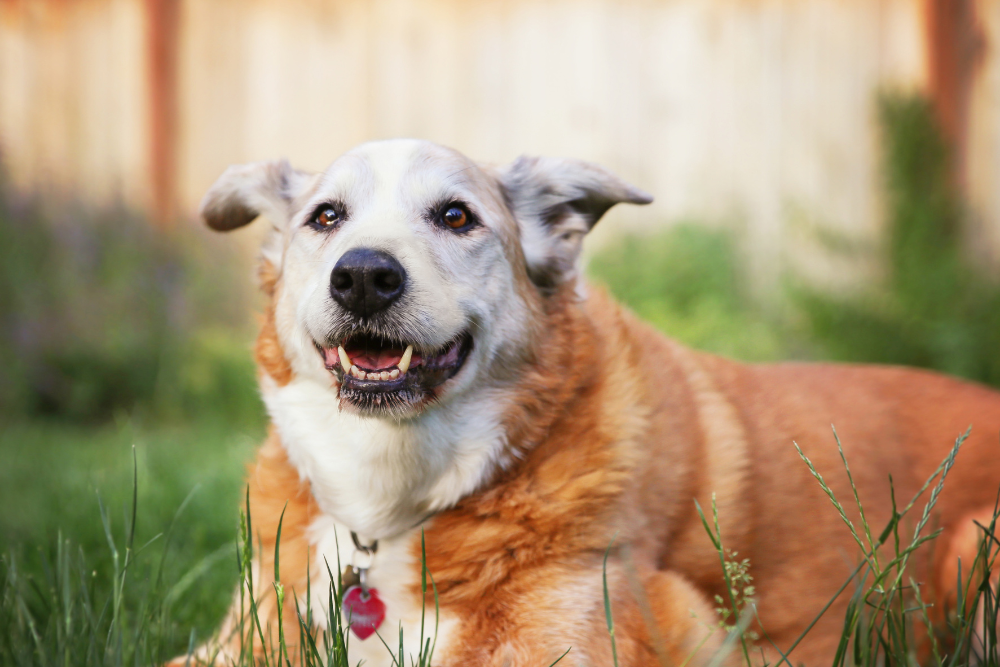
Here are ten of the most common diseases affecting senior dogs:
1. Arthritis
Joint pain and stiffness are extremely common in older dogs. Arthritis can make walking, climbing stairs, or even lying down uncomfortable. While it can’t be cured, it can often be managed with medications, supplements, and physical therapy.
2. Dental Disease
By age three, many dogs already show signs of dental problems—but it gets worse with age. Untreated dental disease can lead to pain, tooth loss, and even infections that affect the heart and kidneys.
3. Cancer
Unfortunately, cancer becomes more common as dogs grow older. It can take many forms—such as lymphoma, osteosarcoma, or skin tumors—and early detection is key. Depending on the type and stage, treatment may involve surgery, chemotherapy, or palliative care. In some cases, when the disease severely impacts a dog’s comfort and quality of life, owners may start asking when to euthanize a dog with cancer. It’s a deeply personal and emotional decision, often filled with uncertainty and guilt. There’s rarely a single “right” moment, which is why it’s so important to have open and honest conversations with a compassionate veterinarian. They can help you assess your dog’s pain levels, mobility, appetite, and overall well-being, and provide guidance on when saying goodbye might be the kindest choice.
Compassionate Care, the best pet euthanasia and pet cremation company in Portland, Oregon, has been sharing thoughtful resources to help pet owners navigate these painful decisions. Their guidance focuses on preserving dignity, minimizing suffering, and helping families feel supported every step of the way.
4. Cognitive Dysfunction (Doggy Dementia)
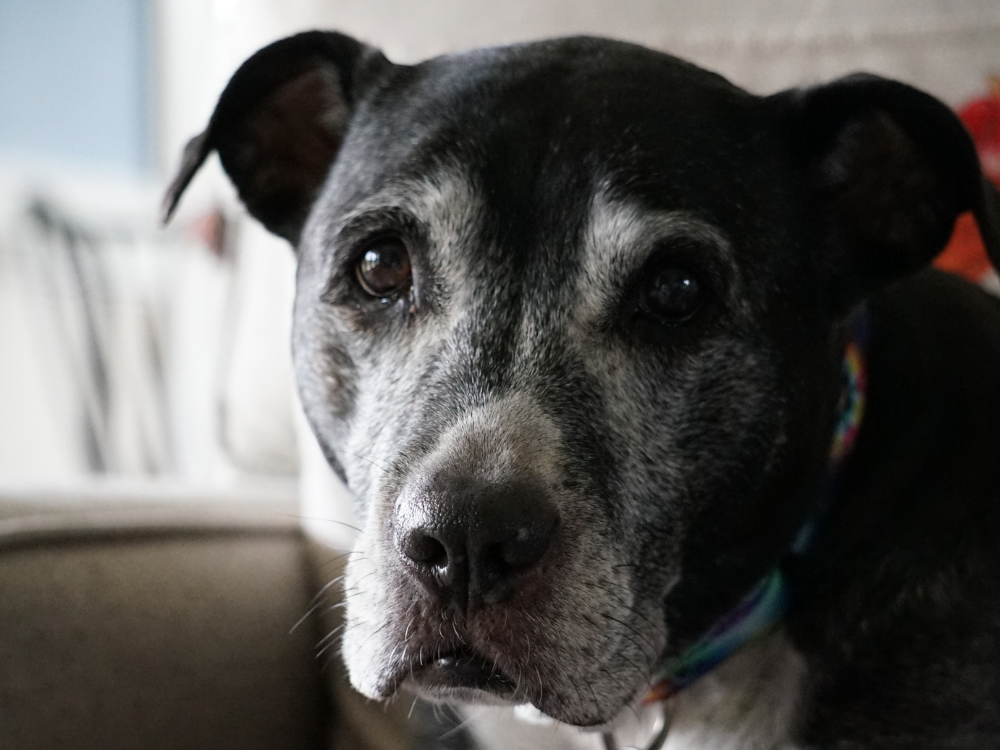
Senior dogs may develop cognitive issues similar to Alzheimer’s. Symptoms can include confusion, restlessness, disrupted sleep, and changes in behavior. While it can’t be reversed, certain medications and routines can help manage symptoms.
5. Kidney Disease
Chronic kidney disease is common in older dogs. Symptoms include increased thirst, frequent urination, vomiting, and weight loss. Early diagnosis and diet changes can slow progression.
6. Heart Disease
Senior dogs are at higher risk for conditions like congestive heart failure or valve disorders. A persistent cough, fatigue, and breathing difficulties are red flags to watch for.
7. Diabetes
While more often associated with overweight dogs, diabetes also appears in aging pets. Symptoms include increased thirst, weight loss, and changes in appetite. It’s manageable with insulin and a carefully monitored diet.
8. Hypothyroidism
A sluggish thyroid can lead to weight gain, hair loss, and low energy levels. It’s more common in middle-aged to senior dogs and is usually treated with daily medication.
9. Liver Disease
Liver issues can affect how your dog metabolizes nutrients and medications. Watch for symptoms like yellowing eyes or gums, vomiting, and loss of appetite.
10. Blindness and Hearing Loss
While not diseases themselves, loss of sight or hearing often comes with aging. Senior dogs may bump into things or become startled more easily. Making small changes at home can help them adjust.
Recognizing these conditions early and maintaining regular vet check-ups can make a huge difference in your senior dog’s comfort and longevity. When health problems become advanced or untreatable, the conversation around humane end-of-life care becomes important.
