
Harvest Happiness: Growing Backyard Fruit Trees and Berry Bushes in New England
There’s something uniquely satisfying about stepping into your own backyard and plucking a sun-warmed berry or a crisp apple straight from the branch. While visions of sprawling orchards might seem far-fetched for a typical New England home, the truth is, embracing edible gardening by planting backyard fruit trees and perennial edibles is entirely achievable and incredibly rewarding in our beautiful corner of the world. Beyond the usual vegetable patch, there’s a growing interest in these low-maintenance, high-yield options that offer a delicious harvest year after year.
Here in New England, our distinct seasons and varied landscape present both challenges and opportunities for the aspiring fruit and berry grower. From the rocky soils of New Hampshire to the coastal breezes of Maine, understanding what thrives here is key. The good news? Many beloved fruits and berries are perfectly suited to our climate, and with a little planning and care, you can create a productive and beautiful edible landscape.
Choosing Your New England Champions: What to Plant
When it comes to selecting fruit trees and berry bushes for your New England haven, hardiness is paramount. You’ll want varieties that can withstand our sometimes harsh winters and unpredictable springs for the ultimate edible gardening experience.
Berry Bushes: Little Powerhouses of Flavor
Blueberries are perhaps the quintessential New England berry, thriving in our acidic soils (pH 4.5-5.2 is ideal!). Highbush blueberry varieties like ‘Bluecrop’ (mid-season, highly productive), ‘Patriot’ (early, cold-hardy, compact), and ‘Jersey’ (late, great for extending harvest) are excellent choices. Planting a few different varieties ensures cross-pollination for better yields and a longer harvest window, often from July into September. Remember they have shallow root systems, so a good layer of organic mulch like wood chips or pine needles is essential to retain moisture and suppress weeds.

Raspberries are another fantastic option. Red raspberries, in particular, are known for their hardiness throughout New England. Varieties like ‘Prelude’ (early) and ‘Boyne’ (early, good flavor) are solid choices for a continuous supply. While black and purple raspberries and blackberries can be grown, they tend to be less hardy, especially in northern New Hampshire and Maine, and might require more sheltered sites. Regardless of type, raspberries generally prefer a soil pH of 5.6-6.2 and will benefit from a trellis system to keep canes organized and productive for 10-20 years!
Beyond these stars, consider:
- Elderberries: Native and hardy, producing berries excellent for jams, jellies, and syrups.
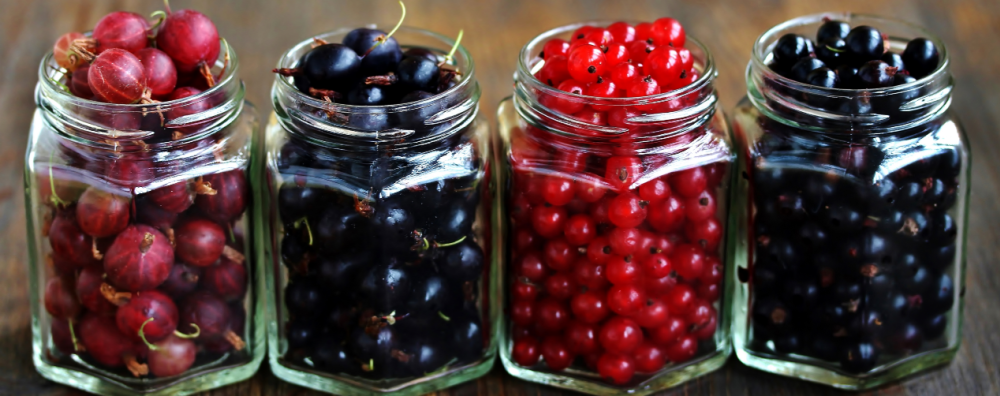
- Currants and Gooseberries: These offer unique tart flavors and are relatively easy to grow.
- Strawberries: While many are short-lived, some alpine varieties are true perennials that return year after year.

Fruit Trees: A Harvest That Keeps on Giving
For fruit trees, focus on cold-hardy varieties that are well-suited to our Zone 4-6 climate (depending on where you are in New England).
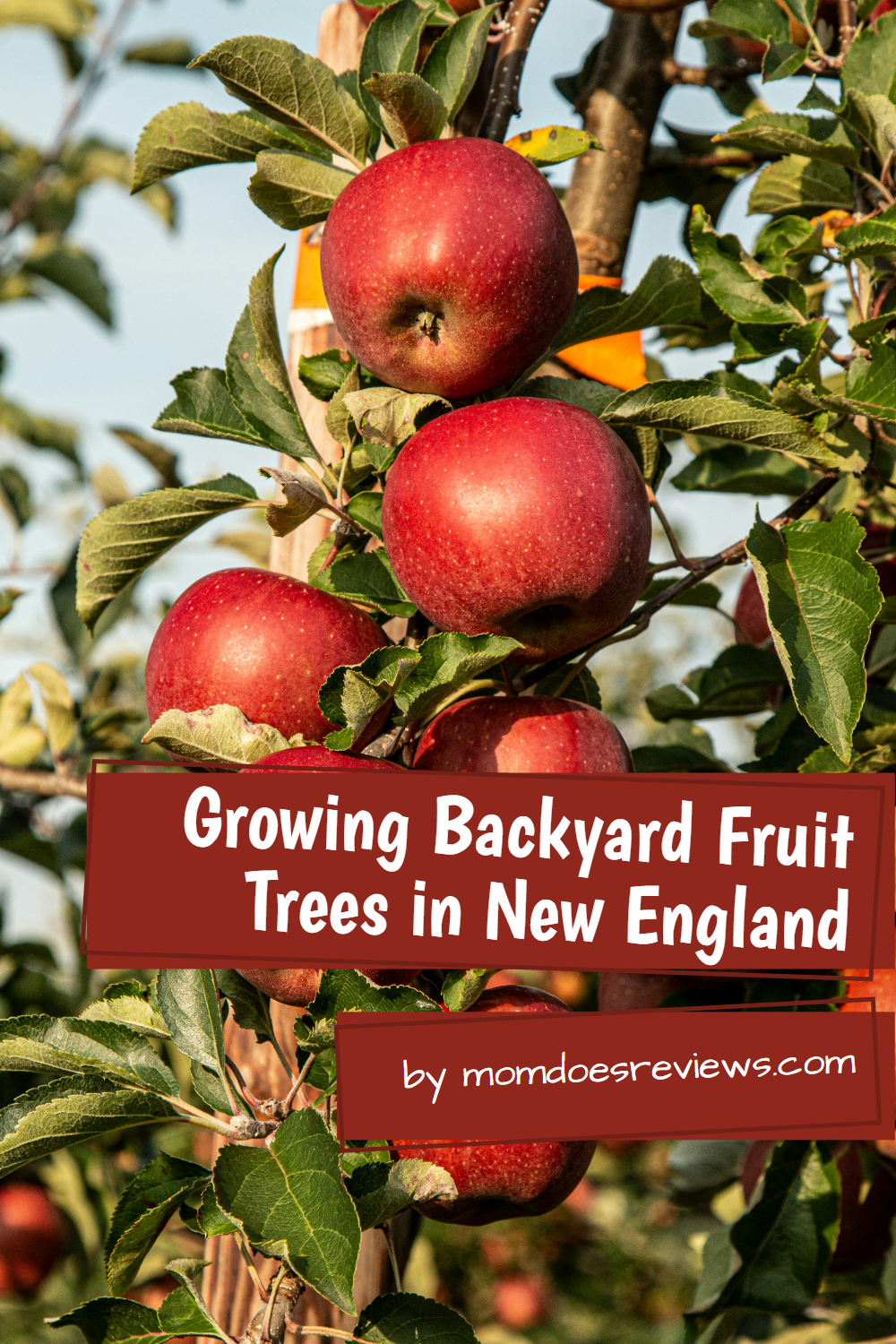
- Apples: A New England icon! Varieties like ‘Honeycrisp’, ‘McIntosh’, ‘Cortland’, and ‘Liberty’ (disease-resistant) are popular and perform well. Consider dwarf or semi-dwarf rootstocks for easier management in smaller backyards.
- Pears: ‘Bartlett’ is a long-standing favorite, and ‘Moonglow‘ or ‘Starking Delicious’ are good pollinators.
- Cherries: Tart cherries, like ‘Montmorency’, are generally hardier than sweet cherries in New England and are fantastic for pies and preserves. Sweet cherries can be grown in warmer, sheltered spots, particularly in southern New England.
- Plums: Look for hardy European plum varieties, as some Asian plums can be more susceptible to our cold.
Cultivating Success: Tips for New England Growers
Our region’s soil often tends to be acidic, especially for blueberries, but a soil test (easily done through your local Cooperative Extension) is always the first step. This will tell you exactly what amendments your soil needs. Full sun (at least 6-8 hours daily) and good drainage are non-negotiable for most fruit trees and berries. Avoid edible gardening in “frost pockets” – low areas where cold air settles, as late spring frosts can damage delicate blossoms.
Planting and Care:
- Planting Time: Early spring, after the danger of severe frost, is generally best for bare-root trees and bushes.
- Mulch: A 3-4 inch layer of organic mulch around the base of plants is crucial for moisture retention, weed suppression, and temperature regulation. Keep it pulled back slightly from tree trunks in winter to deter rodents.
- Watering: Consistent watering is vital, especially during the establishment year and dry spells. Aim for 1-2 inches per week.
- Pruning: Regular pruning, usually in late winter or early spring while dormant, is essential for promoting good air circulation, disease prevention, and maximizing fruit production and edible gardening. For blueberries, prune out older, less productive canes.

Pest and Disease Management:
New England fruit growers often contend with issues like apple scab, powdery mildew, brown rot, plum curculio, and apple maggots. Choosing disease-resistant varieties is a great first step. Good air circulation through proper spacing and pruning, along with vigilant monitoring, can help manage these challenges organically. Companion planting with herbs like lavender (which deters codling moths) or borage (which attracts pollinators) can also be beneficial.
Growing your own backyard fruit and berries in New England is a deeply satisfying endeavor. It connects you to your food, reduces your grocery bill, and adds immense beauty and ecological value to your property. With the right plant choices and a bit of attentive care, you’ll soon be enjoying bountiful harvests, turning your backyard into a truly fruitful paradise. Happy growing!
