Emergencies strike without notice, testing the readiness and resilience of those involved. In these critical moments, individuals often rely on their training to manage the situation effectively. One crucial aspect of being prepared is obtaining a necessary EMT certification Texas online, which provides the skills and knowledge required to handle medical emergencies. These certifications equip individuals with the essential skills and instill confidence, ensuring readiness during challenging situations. The wide array of training programs available is tailored to cover various aspects of emergency preparedness.
From natural disaster responses to handling fire incidents and medical emergencies, comprehensive training programs make all the difference. Incorporating such programs into an organization’s or community’s routine ensures that those involved respond quickly and effectively to unforeseen events, minimizing potential damage and harm.
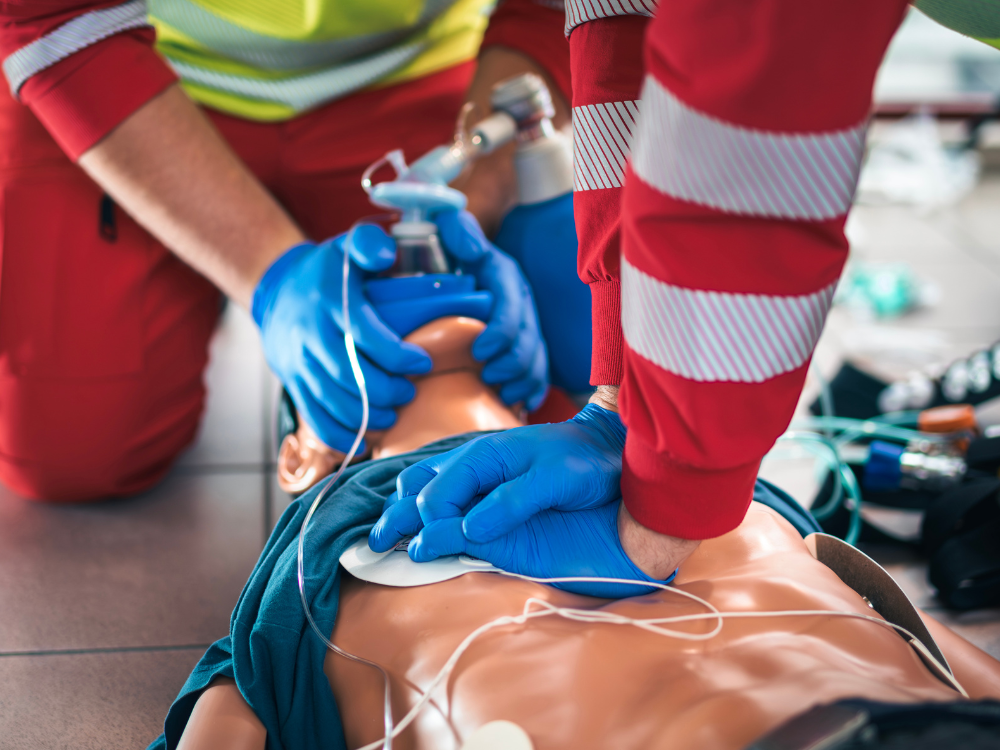
Introduction to Emergency Training
Emergency training is a proactive approach to crisis management. It enables individuals and organizations to react effectively and efficiently. Understanding the basic principles of emergency preparedness can significantly reduce the adverse effects of disasters, ensuring safety and saving lives. Being prepared is the first step toward effective emergency response, whether recognizing the sound of an alarm or knowing where the nearest exit is.
Types of Emergency Training Programs
Various training programs are offered to address emergency scenarios, from CPR and first aid to fire safety and earthquake drills. Comprehensive resources guide both beginners and seasoned professionals. These programs ensure that participants respond promptly and appropriately to various emergencies, reducing the risk of injury and loss.
Benefits of Regular Training
Regular training sessions significantly enhance readiness and confidence. By reducing the likelihood of panic and confusion during emergencies, trained individuals are more likely to take decisive action. It can lead to better outcomes for the people involved and for whole communities. Continuous training reinforces critical skills and fosters a culture of preparedness, ultimately leading to more resilient societies.
Techniques for Effective Skill Retention
Retaining emergency response skills over time is essential for effective action during crises. Techniques like regular drills, cognitive rehearsals, and scenario-based learning help maintain these necessary skills. By practicing regularly, individuals can reduce the forgetting curve and ensure their responses are instinctive and precise when faced with real-life emergencies.
Real-Life Applications of Emergency Preparedness
Many case studies illustrate the vital importance of preparation in managing emergencies successfully. Whether tackling a natural disaster or responding to a fire, the outcomes of these events often highlight the importance of robust training programs. In these scenarios, prepared individuals and teams have managed to minimize damage, save lives, and expedite recovery efforts.
How Technology is Transforming Training Methods
Advancements in technology, particularly virtual reality (VR) and augmented reality (AR) are transforming how training is conducted. These immersive technologies create realistic and engaging training environments, enhancing learning and retention. Innovative tech solutions refine training methodologies and make emergency preparedness more accessible and practical.
Challenges in Emergency Training
Even though emergency training is vital, it faces several challenges, including financial constraints, accessibility issues, and motivational barriers. Tackling these challenges necessitates a diverse strategy, including policy changes and increased funding. Collaborative efforts among organizations and governments can help overcome these obstacles, ensuring broader access to quality training for all.
Conclusion and Future of Emergency Training
In our ever-evolving world, maintaining proactive emergency preparedness is crucial. Future trends in training methodologies promise greater inclusivity and effectiveness facilitated by technological advancements and innovative practices. With ongoing efforts, including continuous education and training, communities can build resilience against future crises, ensuring a safer and more prepared society.
