LDL cholesterol is often referred to as “bad” cholesterol because it contributes to a waxy plaque buildup inside your arteries called atherosclerosis. This plaque narrows your arteries and makes them less flexible. High levels of LDL cholesterol raise your risk for heart attack and stroke. Elevated LDL cholesterol typically does not cause symptoms, so many people are unaware their levels are too high. Getting a simple blood test to check your cholesterol levels is important for assessing your risk.
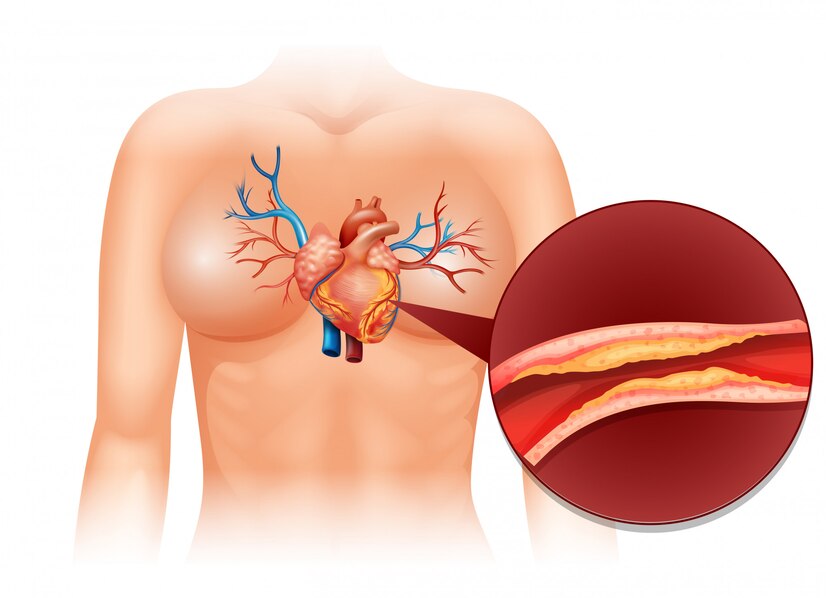
Managing your LDL levels is crucial to lowering your cardiovascular disease risk. Lifestyle changes like eating healthier, exercising more, and losing weight can help. But some people may also need to take cholesterol-lowering prescription medications called statins.
Lifestyle Changes to Improve LDL Levels
Making diet and exercise modifications should be your first line of defense against high LDL cholesterol. Research shows that losing just 5-10% of your body weight can lower LDL levels if you are overweight. Exercising for 30 minutes most days and eating more vegetables, fruits, whole grains, and healthy fats like olive oil can also make a big difference.
Quitting smoking and limiting alcohol are other critical lifestyle changes to reduce LDL and protect your heart health. At the same time, reducing your intake to 1 drink per day for women and 2 drinks for men can help lower cardiovascular disease risk.
Natural Remedies to Lower Cholesterol
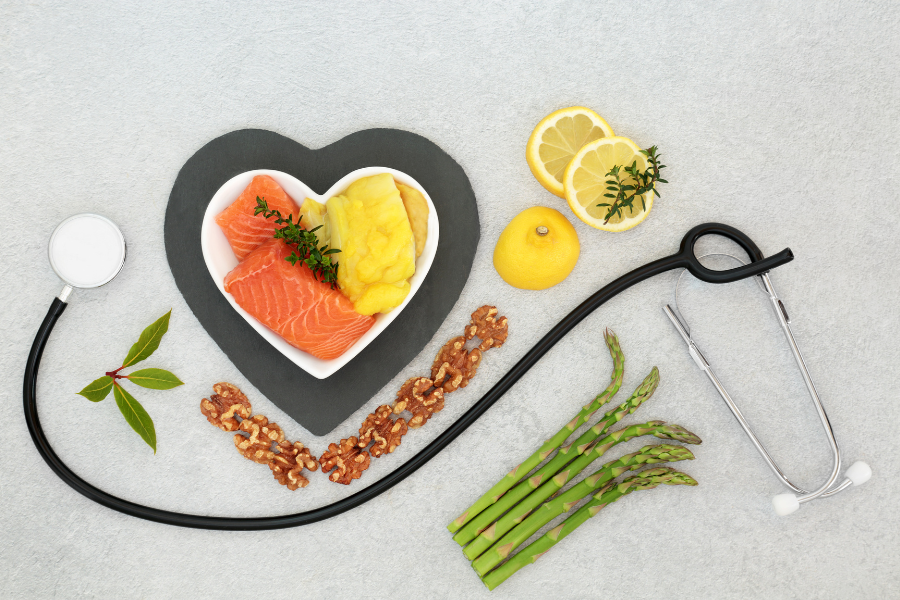
In addition to diet and exercise, some natural supplements and foods may also help control high cholesterol when used alongside other lifestyle measures:
- Soluble fiber – Foods high in viscous fiber, like oats, beans, apples, and Brussels sprouts, can reduce LDL absorption in the bloodstream. Aim for 5-10 grams of soluble fiber per day.
- Garlic – Garlic contains antioxidant compounds that can lower total and LDL cholesterol. A daily dose seems most effective.
- Omega-3 fatty acids – Omega-3 fatty acids in foods like flaxseeds, chia seeds, and walnuts help reduce inflammation and raise “good” HDL cholesterol. Daily doses can lower the risk for cardiovascular events, especially in those with high triglycerides.
- Plant Sterols – Compounds in vegetable oil spreads, orange juice, cereal, and dietary supplements that restrict cholesterol absorption and reduce LDL levels. Aim for about 2 grams per day.
When Medication is Needed
If cholesterol levels remain high after 3-6 months of lifestyle changes, your doctor may recommend starting a statin medication like atorvastatin (Lipitor) or rosuvastatin (Crestor). Statins work by blocking an enzyme needed to produce cholesterol in the liver. This causes your liver to remove more LDL cholesterol from your blood.
However, statin use can cause side effects like muscle pain. Studies, such as the Women’s Health Initiative, have shown that statins, including Lipitor, can cause muscle aches and weakness in some individuals. Other potential Lipitor side effects in women can include liver damage or digestive issues. So, it’s important to have follow-up lab tests to assess treatment response and watch for signs of complications. Always talk to your doctor about medication options, including alternative therapies or lower statin doses, if you experience intolerable side effects.
Achieving Target LDL Goals
You and your doctor should work together to define optimal LDL targets based on your cardiovascular risk factors. Patients with established heart disease may need to lower LDL levels under 70 mg/dL for the most significant risk reduction. Those with multiple high-risk factors like diabetes or metabolic syndrome often have targets under 100 mg/dL.
Reaching your personalized LDL goal will require a commitment to recommended medication and lifestyle changes. Get lab work done regularly to track your progress in lowering LDL cholesterol. Over time, effectively managing high cholesterol can help prevent plaque from building up in your arteries and significantly reduce your risk of life-threatening cardiovascular events.
