Numerous job roles spanning diverse industries incorporate manual handling as a fundamental aspect. These activities, whether involving the lifting of boxes, the movement of equipment, or the conveyance of goods, are commonplace. However, it is vital to grasp that incorrect execution of workplace manual handling can present substantial risks to the health and well-being of employees. This is where the importance of manual handling training becomes evident.
Relying on a dependable source, such as the Manual Handling Course offered by FirstAidPro in Morphett Vale, is not only advisable but essential. This article will explore why manual handling training is imperative for individuals, regardless of occupation or lifestyle.

Significance Of Workplace Manual Handling
Recognizing and prioritizing manual handling within the workplace holds immense significance for several compelling reasons:
Employee Well-being: Ensuring proper manual handling techniques minimizes the likelihood of injuries and musculoskeletal disorders among employees. By averting strains, sprains, and other physical discomfort, workplaces can foster a healthier and more content workforce. Through employee training, employers can guarantee that their workforce possesses the knowledge to conduct manual tasks safely.
Compliance with Legal Requirements: Numerous countries have stringent regulations and guidelines to shield employees from manual handling hazards. Adhering to these regulations avoids legal consequences and underscores an organization’s dedication to the safety of its workforce.
Enhanced Productivity and Efficiency: Implementing safe manual handling practices leads to heightened productivity. When employees are educated in the correct techniques, they can perform tasks more efficiently, reducing the chances of delays caused by injuries and subsequent downtime.
Savings in Costs: Workplace injuries from improper manual handling can result in medical expenses, compensation claims, and increased insurance premiums. Prioritizing manual handling safety helps alleviate these financial burdens.
Long-term Health Benefits: Accurate manual handling practices contribute to the long-term health of employees. Addressing potential injuries in their early stages can prevent the development of chronic conditions that would otherwise impact an employee’s overall quality of life.
Boosted Employee Morale: When employees perceive their safety as a priority, it enhances their morale and job satisfaction. A secure work environment fosters a positive atmosphere, increasing employee retention rates.
Reputation Enhancement: Businesses prioritizing employee safety cultivate a favorable reputation within their industry and community. This reputation can attract skilled workers and customers who value ethical and responsible practices.
Cultivation of Continuous Improvement: Regularly reviewing and refining manual handling practices nurtures a culture of ongoing enhancement. This proactive approach ensures that safety measures remain up-to-date and effective.
Adaptability to Changing Needs: Comprehensive manual handling training equips employees to adapt to diverse tasks and situations, making them more versatile and capable of undertaking a broader range of responsibilities.
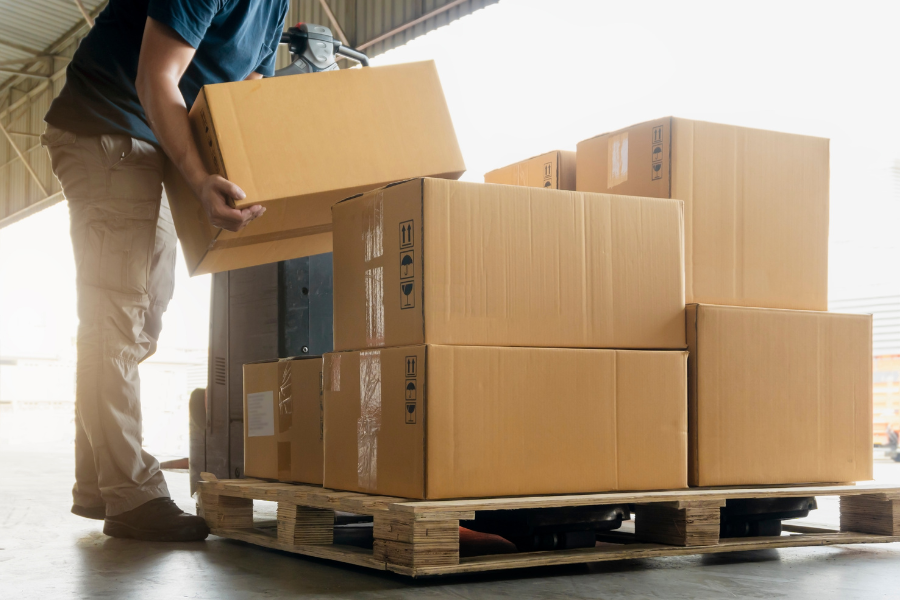
Mitigating Hazardous Manual Handling
The initial step in promoting manual handling safety involves identifying and avoiding hazardous tasks whenever feasible. Hazardous tasks entail lifting heavy loads, assuming awkward postures, or engaging in repetitive movements. These activities can lead to musculoskeletal disorders, strains, and other injuries. To address this concern, consider the following approaches:
Utilization of Mechanical Aids: Introduce mechanical aids, such as forklifts, trolleys, or conveyor belts, to minimize the necessity for manual lifting. These tools can significantly reduce the physical strain on employees and minimize the risk of injury.
Optimization of Processes: Analyse work processes to identify opportunities for streamlining or redesigning tasks to reduce manual handling. For instance, rearrange storage areas to minimize the distance items must be transported.
Assessing Inevitable Manual Handling
Conducting a thorough assessment is essential for tasks that cannot be completely avoided. This assessment should involve a detailed analysis of specific manual handling tasks that present risks. Consider factors such as the weight of lifted objects, the frequency of lifting, and the duration of the activity. This evaluation will help pinpoint high-risk tasks and facilitate the development of targeted strategies to mitigate potential injuries.
Selecting The Appropriate Level Of Assessment For Each Task
It is important to recognize that not all manual handling tasks require the same level of assessment. Tasks with lower risks may only necessitate basic guidelines, such as proper lifting techniques and awareness of potential hazards. Conversely, higher-risk tasks demand a more comprehensive analysis that may involve ergonomic assessments and specialized training.
Reducing The Risk Of Injury
To decrease the risk of injury during manual handling tasks, it is essential to promote and prioritize proper techniques and practices actively:
Implementation of Ergonomic Techniques: Provide employees with training in ergonomic lifting techniques, which encompass bending the knees, maintaining a straight back, and utilizing the legs for power. These techniques ensure an even distribution of the load across the body and minimize strain on specific muscle groups.
Emphasis on Physical Fitness: Encourage employees to maintain a certain level of physical fitness. Regular exercise, particularly exercises targeting core strength and flexibility, can enhance employees’ ability to perform manual handling tasks safely.

Training For Safe Manual Handling
One of the most effective means of ensuring manual handling safety is through comprehensive training:
Proper Lifting Techniques: Train employees in the correct techniques for lifting and carrying. This involves practical demonstrations and hands-on practice to ensure they can safely lift and transport objects.
Heightened Hazard Awareness: Educate employees about manual handling hazards, such as overexertion, poor posture, and repetitive strain. Encourage them to be vigilant and promptly report any discomfort or signs of strain.
Familiarity with Emergency Protocols: Employees must be well-versed in the appropriate steps to follow in the event of an injury. This includes understanding the correct incident reporting procedure and seeking necessary medical assistance.
Regular refresher courses reinforce safe practices and inform employees about safety protocol or procedure updates.
The Manual Handling Refresher Course offered at the Adelaide location of FirstAidPro is an outstanding choice for healthcare professionals seeking to enhance their manual handling skills. This specialized program presents a customized curriculum to enhance and revitalize the essential abilities required during manual handling scenarios.
Conclusion
In conclusion, manual handling safety encompasses a multifaceted effort that demands proactive measures at various levels. By avoiding hazardous tasks, assessing unavoidable manual handling, selecting appropriate assessment levels, advocating safe practices, and providing comprehensive training, you can establish a workplace that prioritizes the well-being of your employees while minimizing the risk of injuries. Remember, committing to manual handling safety is an investment in your employees’ health and your organization’s overall success.
