Understanding the factors as to why the US is increasing its demand for nurses is imperative as it allows us to address emerging challenges and needs in the nursing industry. Our detailed guide further explores the factors that have led to increased nurse demand. We also look at how advanced education can help boost your nursing career.

Why is there an increasing demand for nurses in the US?
The Bureau of Labor Statistics report indicates that the need for registered nurses between 2023 and 2029 will grow by 12%. Additionally, there will be a shortage of 200,000 RNs by 2025. The demand for nurses has rapidly increased in recent years for various reasons.
The demand for nurses in the United States keeps growing steadily. Hospitals, hospices, and other care facilities rely heavily on nurses to provide care, conduct physical exams, counsel patients, administer medications, and more. Various factors have led to this growing demand.
Here is an in-depth look at the factors contributing to the high demand.
A growing aging population
Statistics indicate that the population aged over 65 will reach 80 million by 2040. The demographic shift has a massive implication for healthcare as seniors now have to deal with chronic conditions like arthritis, dementia, diabetes, and respiratory disorders.
As individuals get older, they will need in-home nursing care. Other seniors may need to move to skilled nursing homes or facilities. Nurses have the experience and expertise to handle the aging population. They also collaborate with other healthcare providers like doctors, physical therapists, and social workers to provide coordinated care.
These care facilities need to hire registered nurses to care for this population. That creates a great demand for nursing care. Additionally, nurses handling older adults need to go into specialized training, such as gerontological nurse practitioners, to attend to the needs of this population, which also includes promoting healthy aging and providing end-of-life care.
An aging workforce
The American Association of Colleges of Nursing estimates that 50% of nurses are 50 or older and expected to retire within the next ten years. That means most skilled and experienced nurses will retire in a few years, creating a shortage in the field. Training more nurses to replace the aging workforce will be needed, creating a deficit in most facilities. The nursing shortage has great implications for healthcare delivery. Medical facilities will have fewer nurses, translating into inadequate monitoring, delays in getting care, and a high risk of medical errors.
Increased demand for healthcare services
A report released by the American Nurses Association indicates that nurses in the US work 13-hour shifts. That makes their workload more compared to other countries. The high workload is due to the increased demand for healthcare services.
More people are now seeking medical care thanks to the Affordable Care Act. The act gives increased health insurance access for uninsured people in the US. That has led to the increased need for nurses to provide healthcare services. The more patients have access to healthcare, the higher the demand for nurses to deliver care services. Unfortunately, the number of nurses available isn’t enough to meet the increased demand for healthcare services due to the shortage.
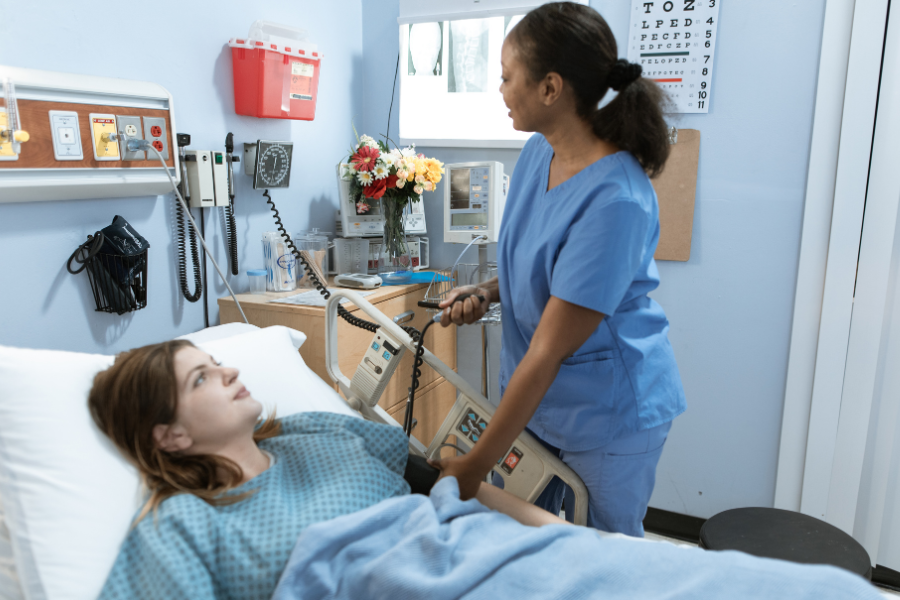
Technological advancements
Technology has revolutionized the delivery of healthcare services. Innovations like telehealth, electronic health records, and modern medical devices are changing how nurses collect information and improve care services.
That has led to increased demand for nurses proficient in using this technology. Nurses need specialized training to understand how to use these devices, conduct virtual assessments, and adhere to set privacy/security protocols. The period before they are trained and gain expertise creates a gap, leading to high demand for nurses.
Restricted nursing student enrollment
The present-day nursing faculty shortage means that instructors are dealing with limited resources. They must reduce the number of students enrolling in the institutions to ensure quality education. The result is only a few nurses end up graduating. According to the American Association of Colleges of Nursing, nursing schools rejected more than 60,000 qualified applications in the US.
The few nurses graduating cannot meet most hospitals’ demands, which creates a shortage.
Decreased job satisfaction leading to nurses leaving their careers
The nursing shortage has decreased job satisfaction as the current nurses have to care for many more patients. Nurses are exiting the profession due to long shifts, high-stress levels, and burnout. A survey by JAMA open network revealed that 31.5% of nurses in the United States left their jobs in 2018 because of burnout. The Covid-19 pandemic also strained the nursing staff, increasing the demand for nurses to ease the workload.
Types of nurses that are most in-demand
Geriatric nurses
Geriatric nurses provide psychosocial and physical care to senior patients. These nurses work with older adults to help restore and maintain their mental and physical health. They also treat chronic conditions like Alzheimer’s, diabetes, arthritis, and heart disease.
Case management nurses
A nurse case manager is a medical professional who oversees the long-term care plan for their patients. They work with a specific patient type requiring ongoing medical care, like cancer patients, geriatrics, or HIV/AIDS patients. Case management nurses also update patients’ care plans, consult with them to determine their medical needs, and provide regular assessments.
Nursing informatics
Nursing informaticists develop information and communication technologies in healthcare. These nurses combine their clinical skills with knowledge of data and technology to analyze patient care. They also train nursing staff to utilize technology to deliver patient care.
The informatics department reduces the chances of medical errors, limiting patients’ risks when getting treated. Although nursing informaticists don’t work directly with patients, they work behind the scenes to test new technology, track the success of patient care programs, and assess patient care data to improve health outcomes.
Nurse educator
Nurse educators’ main task is to teach nursing staff or students. They can work in hospitals or colleges. Their work entails creating a nursing curriculum, assessing academic performance, and making changes to the curriculum when required.
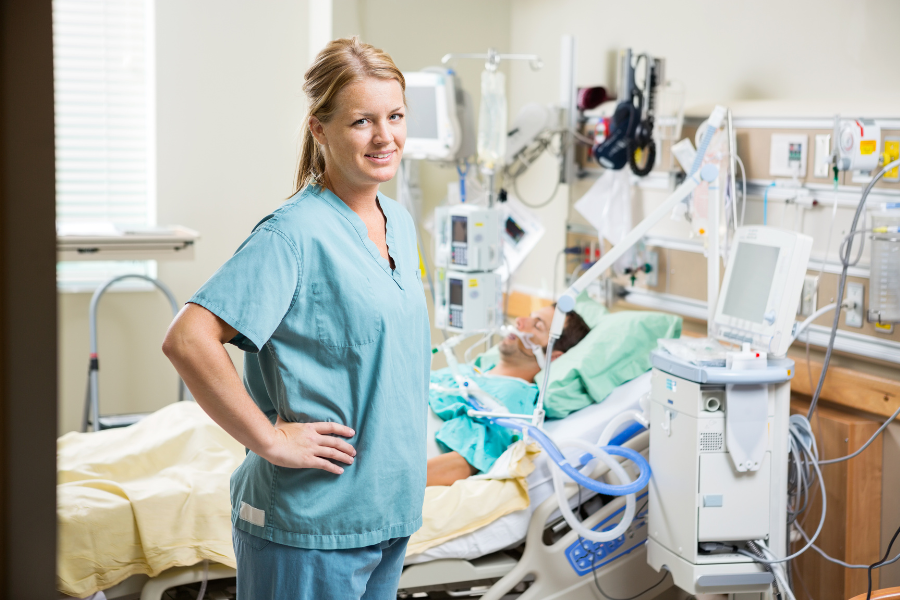
Community health nurses
Community health nurses mainly work with communities to provide care. They assess the community’s needs and develop programs that accommodate those needs. These professionals also educate the community onways to improve their health, how and where to access healthcare services, and give tips to prevent disease.
Critical care nurses
Critical care nurses work with patients in intensive care units and emergency rooms. They only handle patients with life-threatening injuries or diseases.
Travel nurses
Travel nurses are skilled professionals with a clinical background who accept a temporary assignment in another geographical location. These nurses take jobs that last a few weeks to several months.
How can advanced education boost your nursing career?
Addressing the increased demand for nurses calls for a proactive approach by the involved stakeholders, creating a plan to enable the distribution of nurses, providing enough funding, and improving nursing skills and knowledge to bridge the present gaps. For people looking to fill this demand and take part in a rewarding career, Spring Arbor University provides an excellent teaching faculty that will guide and help prepare student nurses for all the obstacles they may face when practicing. Through this guidance, students will be equipped with expert knowledge on prescriptions, medicating the elderly and the young, and offering high-quality patient care throughout the communities they serve.
You’ll find that some healthcare facilities are raising their standards when hiring nurses. That’s making it challenging for registered nurses without an advanced degree to find employment opportunities. Advancing your nursing education can boost your career and help address staffing gaps.
Here’s how further education can help you stand out in this ever-growing field.
Enables you to deliver a range of healthcare services
The scope of nursing practice is expanding, calling for skilled professionals who can handle different roles and responsibilities. Advancing your education as a registered nurse can help you become a nurse practitioner, a clinical nurse specialist, or a nurse anesthetist. Working as an advanced practice nurse allows you to perform other tasks like prescribing medication, diagnosing illness, requesting diagnostic tests, and providing comprehensive patient care as you now understand how the healthcare system works. A higher degree allows you to fill workforce gaps and address healthcare disparities.
Take advantage of several nursing opportunities.
Being a registered nurse is great but specializing in a specific field increases your chances of securing a better-paying job.
For example, you must have an associate degree or a bachelor of science in nursing to work as an intensive care nurse. You must also pass the NCLEX-RN examination and gain some nursing experience to earn your critical care registered nurse adult certification. That will allow you to practice as a critical care nurse. Additionally, nurses with a master’s degree or higher have access to more leadership positions.
Advanced educational credentials allow you to become a viable candidate for managerial or administrative roles. In this capacity, you can lead other nurses and teach them essential skills that will help improve patient outcomes and enhance healthcare systems.
Whether you’re eyeing a specialized care unit or looking for a management role, advancing your education will help you get into your desired field and fill an existing gap. Additionally, it enables you to deliver better healthcare services.

Travel opportunities
Travel nurses are in high demand as there’s a need to provide professional care services to underprivileged communities. There’s an increased need for specialized nurses like nurse midwives and practitioners.
Advancing your career by pursuing a master’s degree can help you access travel opportunities to work in areas that need qualified healthcare professionals.
Long-term earning potential
Nurses earn an average salary of $84,000 annually. However, those with a master’s degree or higher, like nurse practitioners, can earn up to $122,000 per year.
Advancing your education allows you to improve your long-term earning potential due to your increased experience, value, and expertise.
It gives you a competitive advantage in the job market.
A master’s degree in nursing or higher shows your expertise and credibility to potential employers. That gives you a competitive advantage over your peers with BSN. It also makes it easier to find a job in an area you love.
Specializing in an area like a nurse practitioner allows you to be independent in providing care and your medical aptitude toward patients.
Stay updated on current industry trends.
The nursing industry is constantly changing, and as a nurse, it’s essential to stay updated with the latest trends. For example, there’s a high demand for nurses who can handle electronic healthcare records, smart IV pumps, remote patient monitoring, and wearable medical devices.
Advancing your nursing education and learning some of these technologies will give you an edge over other nurses and help you reduce errors, improve healthcare accessibility, and proficiently monitor patients.
It allows you to develop healthcare policies.
Higher education gives you an opportunity to access well-paying opportunities and a greater influence when dealing with healthcare organizations. You can participate in formulating healthcare policies, determining the best healthcare practices, and having a say in organizational structure. The skills you gain with advancing your education will influence organizational success and positively impact patient outcomes.
Final thoughts
Factors like an aging population, retirement of experienced nurses, nurse educator shortage, and burnout are the causes of the increased demand for nurses in the United States. Additionally, more healthcare facilities are looking for competent and experienced nurses who understand the latest technological advancements in nursing. Pursuing a higher degree in nursing can help you fill the skills gap in the market and specialize in a specific area like nursing anesthetics, nursing case managers, or critical care nursing. The best part is that you can enroll in an online course and take advantage of flexible schedules to further your education.
