Many people today choose self-employment in the gig economy as a way to follow their hobbies and become financially independent. Self-employment, however, has its own set of difficulties, particularly when it comes to budgeting for debt and school loan payments. This article will look at ways that self-employed people can manage their debt and deal with the difficulties that come with college loans. The topic of optimizing tax savings and submitting taxes for independent contractors will also be covered, along with information on the self-employment tax calculation process and the availability of social security tax calculators for the year 2022.

Debt and Student Loan Management for the Self-Employed:
- Establish a Budget: To manage debt and student loans, you must first create a thorough budget. This will make it easier for you to comprehend your income and outgoings and allocate money for debt repayment and student loan installments. You may free up more money to pay off your debt by keeping track of your spending and finding places where you can cut back.
- Give High-Interest Debt Priority: If you have a number of debts, it is essential to give the ones with the highest interest rates priority. Long-term savings on interest payments can be achieved by concentrating on paying off these loans first. Try using the debt avalanche strategy, which is setting aside additional cash for the obligation with the highest interest rate while paying the minimum amount for all other bills.
- Examine Your Options for Debt Repayment: If you work for yourself, you can be eligible for a number of debt repayment alternatives. Consider income-driven repayment programs for federal student loans, which vary your monthly payments depending on your income and family size. Moreover, look into loan forgiveness programs that could be accessible to freelancers working in fields like education or public service. For more structured assistance, some self-employed individuals turn to professional debt settlement services, which can help negotiate with creditors, consolidate payments, and create a realistic plan to reduce outstanding debt while staying compliant with their financial obligations.
- Expand Income Streams: Think about expanding your sources of revenue to hasten debt payback and student loan installments. As a self-employed person, you have the freedom to take on extra freelancing jobs or investigate side businesses that fit with your interests and talents. You may set aside more money for debt repayment and student loan installments by raising your income.

Making the most of tax deductions and filing taxes as a freelancer:
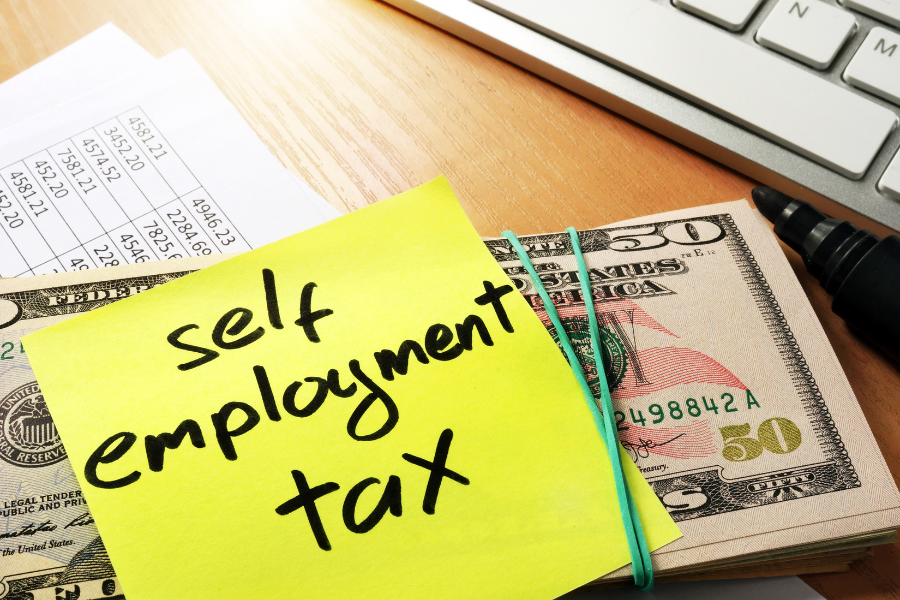
- Get a thorough understanding of self-employment taxes. Self-employed people are liable for paying both the employer and employee components of Social Security and Medicare taxes. Your net self-employment income is used to determine these taxes, which are also known as self-employment taxes. The self-employment tax rate, which is now 15.3%, is multiplied by your net self-employment income to determine self-employment taxes.
- Make Use of Freelance Tax Calculators: For those who work for themselves, a freelance tax calculator may be a useful tool for estimating their tax responsibilities and making plans appropriately. These calculators estimate your tax liabilities by taking into consideration a number of variables, including income, deductions, and self-employment tax rates. You may better understand your tax obligations and make wise financial decisions by utilizing a freelance tax calculator.
- Take into account quarterly estimated tax payments: Self-employed people are accountable for paying quarterly estimated tax payments, as opposed to regular workers who have taxes deducted from their paychecks. By making these payments, you may keep up with your self-employed tax rate responsibilities all year long and avoid underpayment penalties. You may efficiently handle your tax responsibilities as a freelancer by anticipating your tax requirements and sending regular quarterly payments.
- Get Expert Assistance: Self-employment tax filing can be challenging, particularly when it comes to optimizing tax benefits. Think about seeking advice from a tax expert with experience working with freelancers and small enterprises. They may offer insightful advice on tax credits, deductions, and other ways to lower your tax obligations while still abiding by the law.
Conclusion
One benefit of being self-employed is the ability to follow your hobbies and have financial control. Nevertheless, it also entails having to manage debt, particularly college loans, and figure out the intricacies of taxes.
Self-employed people may successfully manage their debt and student loan payments by putting tactics into practice, include making a budget, giving high-interest debt priority, looking into loan repayment choices, and improving revenue streams.
Also, freelancers may optimize their tax savings and maintain compliance with tax rules by learning how 1099 employee tax rates are calculated and using freelance tax calculators and social security tax calculators for 2022. Self-employed persons can attain financial security and success in their chosen enterprises with careful preparation and intelligent decision-making.
