It is a sad reality that as technology advances, so do the ways in which criminals can exploit our children. From unwanted content to online predators, there are many dangers that children can face when they go online. As a parent, it is your responsibility to protect your child from these dangers.
In this blog post, we will discuss some of the best ways to do just that. We will also provide information on software and search engine filters that you can use to keep your child safe.

What are the dangers of the Internet?
Despite the many advantages of the World Wide Web, it has a downside: scenes of violence, 18+ content, online fraud, and manipulation of consciousness are only a few clicks away. That’s why it’s important to take steps to protect your children from the dangers of the Internet such as:
Unwanted content: One of the main dangers for children on the Internet is unwanted content. This can include anything from adult material to violent or graphic images.
Online bullying: Another danger that children can face online is bullying. Unfortunately, there are people who use the anonymity of the Internet to bully others. This can include sending mean messages or posting derogatory comments about someone online.
Blackmail: Another danger that children can face online is blackmail. This is when someone threatens to release embarrassing or private information about someone unless they are paid a ransom.
Thematic publishers: You can come across a large number of social networking sites, which form in girls the idea of an “ideal appearance”. The child’s self-esteem drops and she begins to see in himself non-existent cosmetic defects and look for ways to fix them. Some go on dangerous diets that can undermine their health. It is not uncommon for teenagers to start suffering from bulimia, anorexia, and dystrophy precisely because of dieting and stress.
Sects: One of the dangers of the Internet is that it can be used to recruit members for sects. These groups can be very manipulative and can convince people to do things that they would not normally do.

How do you protect children from adult content and other online dangers?
So that the child does not put himself in danger, you need to talk to him, no matter how unpleasant or awkward the topic of conversation may be. It is better to tell the child yourself about the consequences of certain actions so that in the future he will not feel it in practice.
It is necessary to establish a close trusting relationship in the family. Share your thoughts with your child, and he will share his in return. This method works much better than reading personal correspondence, which traumatizes the child’s psyche no less.
In addition, you can use special programs like mspylite.com that allow you to control the child’s stay on the Internet. They will partly violate personal boundaries and hurt the moral aspect, but the level of Internet danger for the child will be significantly reduced.
You can set up filtering of search results, content, and sites in the settings of browsers like Google Chrome and Mozilla Firefox.
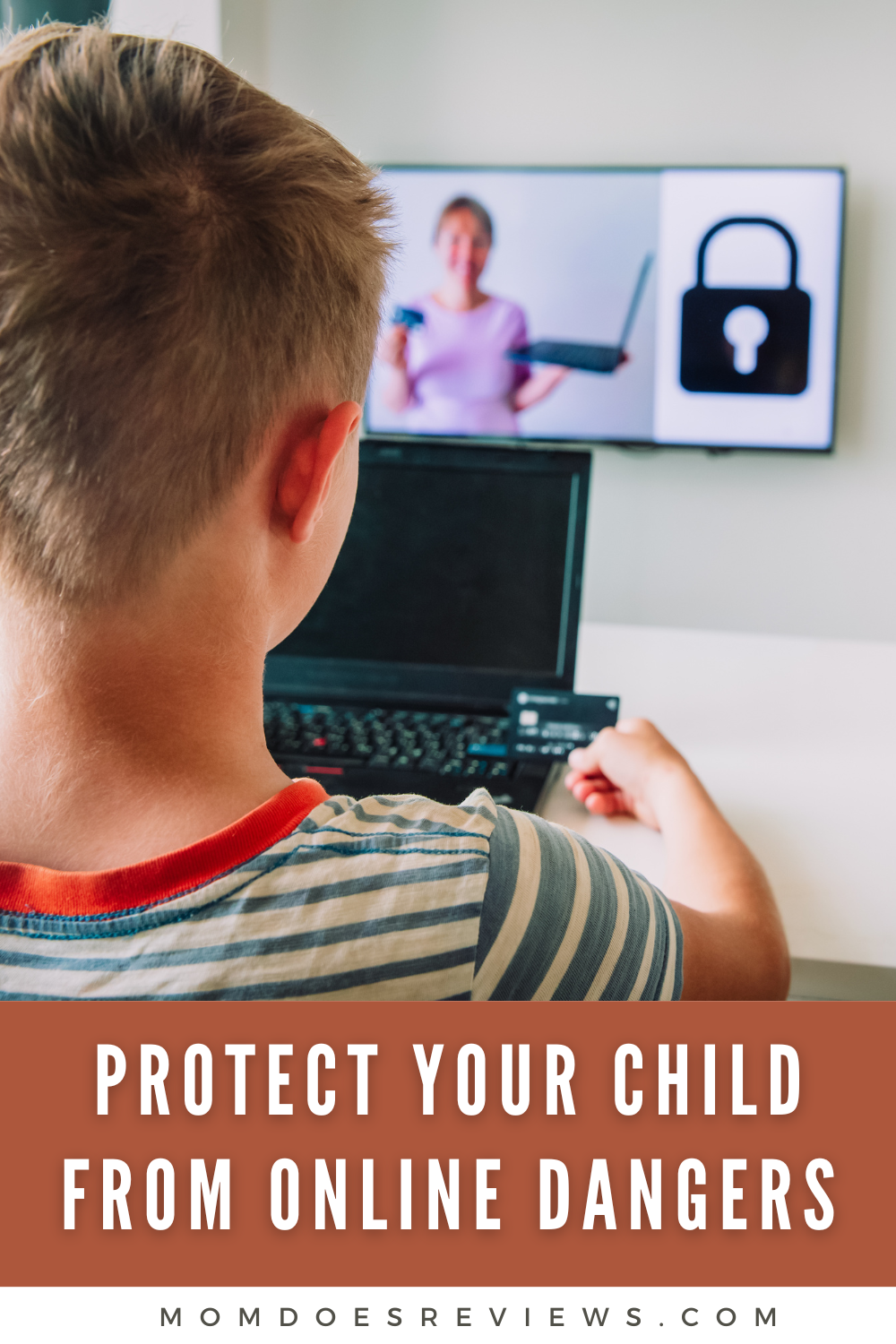
Use really effective anti-viruses that have a parental control feature like Kaspersky, Norton, or Bitdefender. You can specify the sites and programs that your child cannot access. You can also set up filtering by words, for example, the word “alcohol” and limit the time children spend on the Internet.
A child can access the World Wide Web from anywhere: his computer, smartphone, parent’s laptop, friends’ gadgets, and so on. In addition, there is always a way around any restrictions. That is why it is important to talk to your child, satisfy his curiosity and explain to him the consequences of certain actions taken on the Internet.
The most important thing is not to overdo it with security measures. The Internet is a part of our lives, and it would be wrong to completely deprive the child of access to it. Just try to explain the dangers that exist and how to avoid them. Do not forget about real life where there are many more opportunities for development and communication.
Use the Internet wisely and be careful!
