Commercial cleaners that dominate the market are infamous for being loaded with all sorts of toxic substances that damage the environment. These chemical products have also been shown to have long-term health effects on people through their manufacture, use, and disposal.
The good news is that you do not need these products to keep your home clean. You can make your own natural cleaning products and have a clean home and a cleaner conscience. Plus, your wallet will thank you, too!
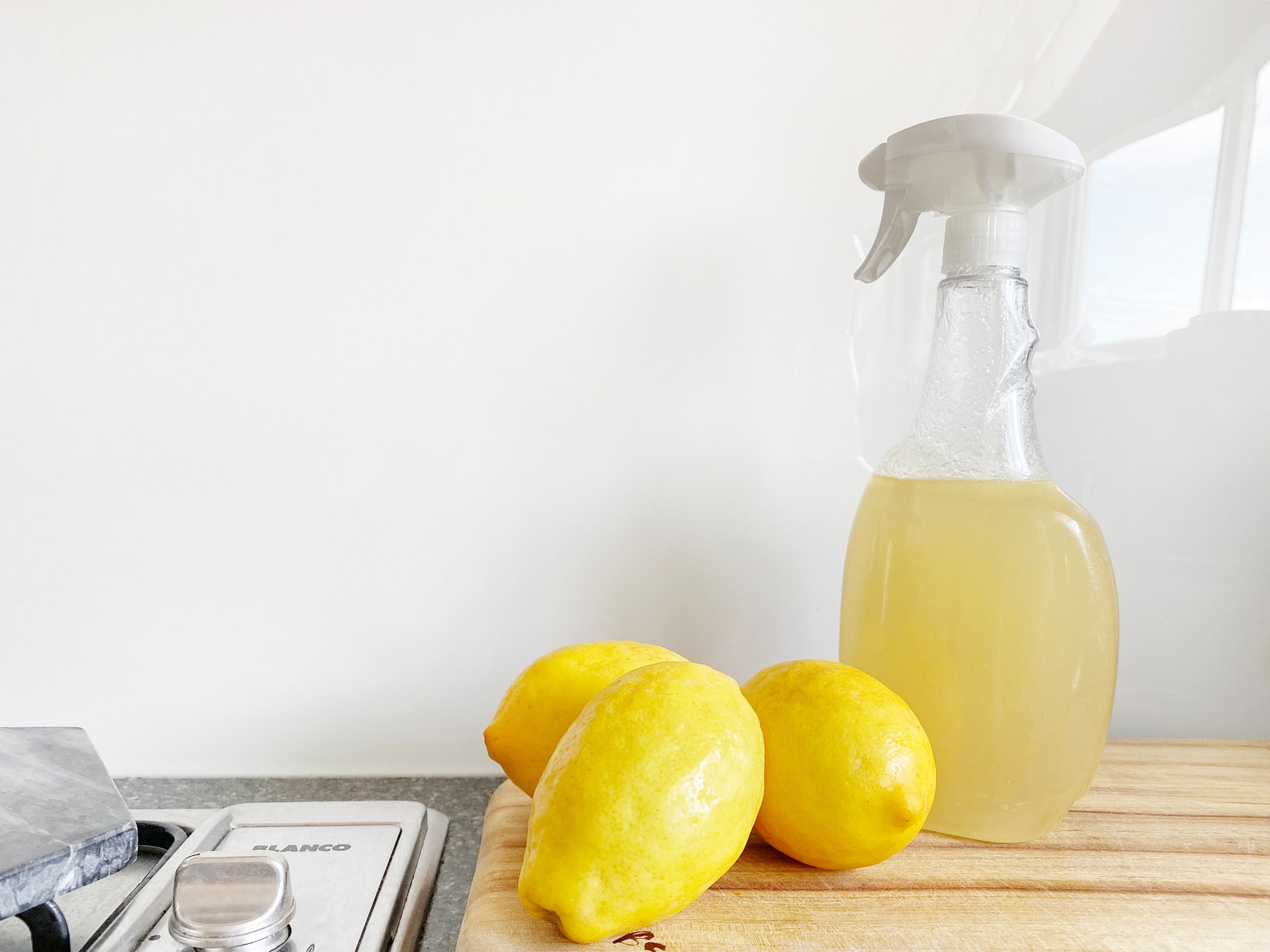
Photo by Precious Plastic Melbourne on Unsplash
This guide from BetterCleans will outline some natural ingredients you can use to clean your home as well as a few homemade all-natural recipes you can try.
Dangerous chemicals commonly used in home cleaning products
Before we get to the natural products, it is important to understand exactly why staying away from commercial cleaners is a good idea. There are a lot of dangerous chemicals that are used in everyday cleaning products. Here are some of them:
- 1,4-Dioxane: This is a suspected carcinogen that is commonly used to make detergents.
- Quaternary Ammonium Compounds or “Quats”: These compounds have been known to trigger asthmatic attacks. They can be found in fabric softeners and spray cleaners.
- Chlorine Bleach: Bleach fumes often contain chloroform and chlorine, which have been linked to cancer as well as neurological and respiratory effects.
- Antibacterials: Although anti-bacterial compounds such as triclosan were banned from hand and body soaps, they may still be found in cleaners. These prohibited substances can cause antibiotic resistance and endocrine disruption.
- 2-Butoxyethanol (also 2-BE, BCEE, or Butyl cellosolve): This ingredient is a skin and eye irritant that is found in oven cleaners, laundry stain removers, and degreasers.
- Formaldehyde: Formaldehyde is a known carcinogen that is commonly used as a preservative in commercial cleaners.
- Diethylene Glycol Monomethyl Ether (also DEGME or Methoxydiglycol): This compound is used in some heavy-duty cleaners and degreasers and has been linked to reproductive health disruption.
- Perchloroethylene (“PERC”): PERC is a likely neurotoxin and carcinogen that is found in-home dry-cleaning products, upholstery cleaners, and spot removers.
- Fragrance: Fragrance is a commonly listed ingredient in commercial cleaners that may contain a variety of compounds, including phthalates, a well-documented endocrine disruptor.
- Ammonia: Ammonia is a skin and respiratory irritant.
Natural ingredients for homemade substitutions
Finding natural cleaners for your home might sound complicated, but they are actually quite easy to obtain. The ingredients used to make them are easy to come by, affordable, and last a long time. Here is a list of widely available natural ingredients that you can use alone or in combination for your household cleaning needs.
-
Baking soda
Baking soda, also known as bicarbonate of soda, has been used for decades to clean, deodorize, and scour away dirt.
-
Distilled white vinegar
This is a multi-purpose product that can be used in different areas of the home to remove odors, mildew, grease, stains, mold, and dirt. Its pungent smell may be off-putting to some, but it typically dissipates quickly.
-
Castille soap
Castile soap is a biodegradable unscented product that will clean just about anything in your home.
-
Hydrogen peroxide
Hydrogen peroxide is a popular disinfectant for wounds, but it can also be used to disinfect the bathroom, kitchen, and other areas of your home. It has a mild bleaching effect that makes it a great stain remover for fabrics and grout. Handle with care as it may cause respiratory or skin irritations.
-
Cornstarch
Cornstarch can be used to polish the furniture, clean windows, and shampoo rugs and carpets.
-
Washing soda
Washing soda (sometimes known as SAL soda) is the compound sodium carbonate decahydrate. It’s a natural substance usually made from salt and limestone. Washing soda cuts grease, softens water, removes stains, and cleans sinks, tubs, walls, and tiles. Handle with care as it can irritate mucous membranes.
-
Alcohol
Alcohol is an effective disinfectant. Some forms of ethanol (grain alcohol) can be used for cleaning and disinfecting different areas of the home.
-
Lemon juice
The juice of a lemon is a potent acid that can be used to fight against household bacteria and remove stubborn stains.
-
Salt
Salt is a versatile mineral that can be used to boost the cleaning effects of ingredients such as baking soda and vinegar.
-
Soap nuts
Soap nuts produce a natural soap, known as saponin, that foams up and removes odors and grime when mixed with water. They are anti-microbial, anti-bacterial, and antifungal.
-
Borax
Borax makes a great all-purpose cleaner. It disinfects, whitens, and fights mildew and mold.
Homemade all-natural cleaning recipes
Combinations of the above ingredients can provide all-natural cleaning substitutions for many commercial products. Here are some homemade cleaning recipes to try:
-
All-purpose cleaner
Mix ¼ cup baking soda and ½ cup distilled white vinegar into ½ gallon of water in a spray bottle. Use this all-purpose cleaner to wipe down kitchen surfaces, remove water deposits on shower stall panels, clean windows, and wipe down mirrors.
-
Toilet cleaner
Mix 3 cups vinegar and half a cup of borax. For more cleaning power, add some liquid castile soap to the mixture. Apply the mixture under the rim of your toilet bowl and leave it to sit for 20 minutes. After the time elapses, scrub with a toilet brush to work in the mixture and remove grime. Use the above all-purpose cleaner for toilet surfaces, leaving to sit for a minute or two before wiping away.
-
Dishwashing soap
Combine ½ cup warm water with salt, stirring until the salt dissolves. In another bowl, combine ½ cup distilled white vinegar, ½ cup castile soap, and 1 teaspoon lemon juice. Combine this mixture with the saltwater mixture, stirring until thickened. Pour the homemade dishwashing soap into a repurposed soap container for storage.
-
Mold and mildew deterrent
Fill a spray bottle with distilled white vinegar. Spray the vinegar onto the moldy surface and let it sit for an hour. Finally, wipe the treated area clean with warm water and allow it to dry.
-
Air freshener
Fill a spray bottle with equal parts water and lemon juice. Add around 10 drops of your favorite essential oil to the solution and spray stuffy areas of your home.
-
Carpet stain remover
Mix equal parts of water and white vinegar in a spray bottle. Spray the mixture directly on a stain, allow it to sit for 10-15 minutes, and then clean with a sponge or brush using warm soapy water (use castile soap). For fresh grease stains, sprinkle cornstarch onto the affected area, let it sit for 15-30 minutes, and then vacuum. Make sure you use the right vacuum for your carpet as well. For a heavy-duty carpet cleaner, mix ¼ cup of borax, ¼ salt, and ½ cup vinegar. Rub the mixture into the carpet, and leave for a few hours before cleaning.
Final thoughts
Keep your cleaning needs simple by switching to natural DIY cleaners. Not only do they provide you with the cleaning power that you need for a sparkling clean and sanitary home, but they also have fewer negative impacts on the environment.
