The market for second-hand automobiles is vivid. The crisis caused by the pandemic has contributed to this even more. Nowadays, a lot of people consider acquiring a used vehicle due to its more affordable price.
It does not matter if you want a vehicle for yourself or the whole family — it must be safe to drive and take passengers with. Thus, every buyer of a used car should carry out a CA DMV VIN check and some other investigations to make sure that a chosen machine can be entrusted with the lives of the closest people.
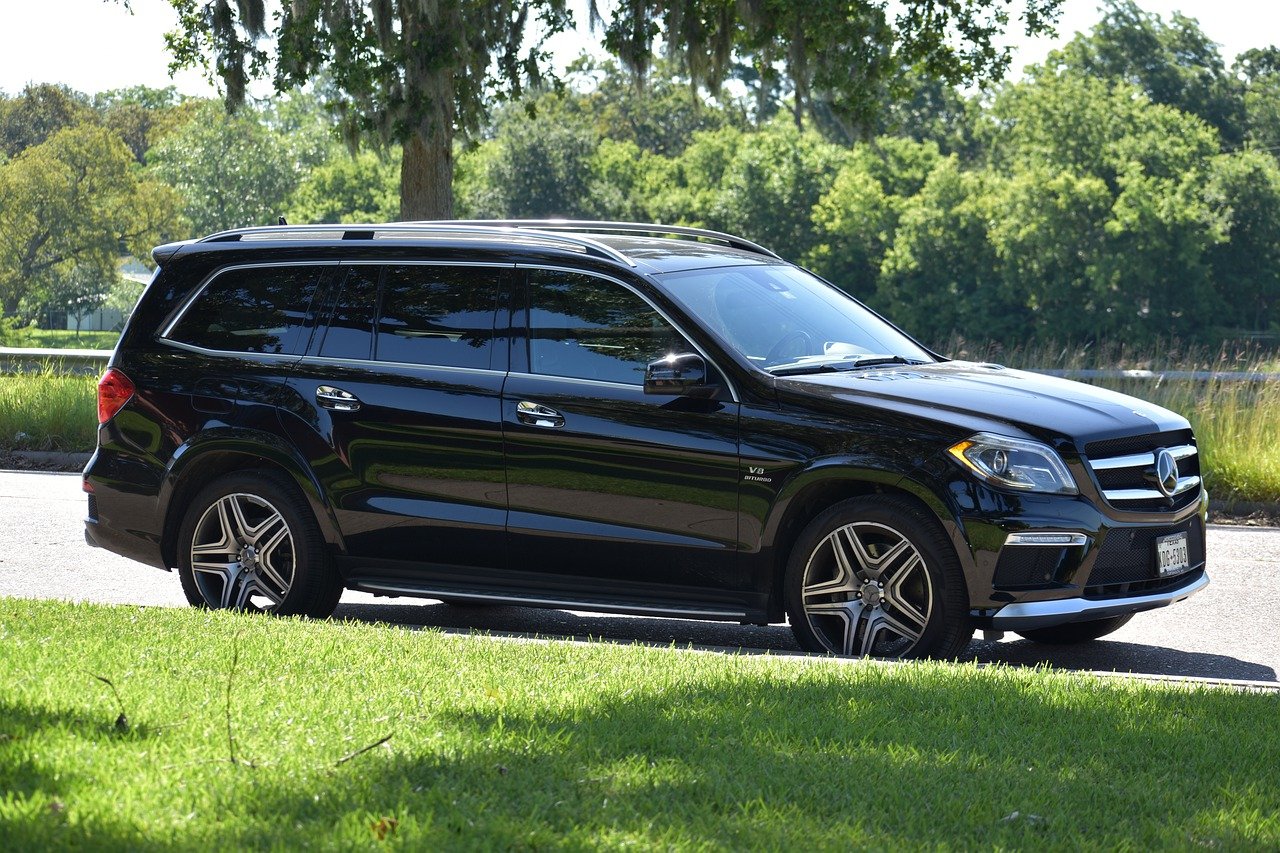
Checklist for Buying a Used Car
What if you have decided to get a car and go on a trip with your family? In this case, you should pay even more attention to the reliability and technical condition of a vehicle under consideration. Otherwise, it is going to be a spoiled vacation. Here are the main aspects to pay attention to.
1. Decide Where to Buy It
There are sufficient possibilities to acquire a used vehicle. You can buy it from a trader (dealer or garage), from a previous owner, on an auction, or even online. In the first case, specialists who work in the business acquire cars from different sources (be it a previous owner or an auction), carefully inspect and service them. If necessary, they do all the needed repairs and provide a warranty of 12 months. Of course, this option is more costly. However, if you are not good at cars and need a reliable vehicle, it is a choice that will not make you search for a service station on the other side of the country.
Though if you feel confident about machines and have some experience, you can try getting it from other sources. However, be very careful when you consider acquiring a car from an auction or online.

2. Vehicle History Report
Before going to see a car in person, do your research. Ask for a VIN number and utilize software that can provide you with vehicle history. You can make use of free tools. However, investing some money in a full-featured version is always a good decision when it comes to your safety. If everything is fine with the history, proceed to personal inspection.
3. Test Drive and Visual Checkup
If you have ever driven a car, you should drive the one you consider acquiring. Listen to how its engine works, how it starts and behaves during acceleration and deceleration. If you hesitate about your competence, it is always worth inviting someone to inspect a car with you. Carefully check the exterior and interior of a vehicle.

4. Ask Questions & Bargain
If you are communicating with a dealer or a previous owner, these people should know literally everything about a vehicle, its maintenance, and repair works. The more you ask — the better. Try to reduce the price. If a vendor refuses, quite probably, he/she is sure in the state of the car. Thus, it is a positive sign, however, not a rule.
The more attentive you are — the higher are the chances to acquire a reliable family car that will not let you down.
