Your roof does a lot of quiet work. It blocks rain, wind, heat, and the occasional leafy invasion without asking for applause. The tricky part is that roof problems often start small and stay sneaky. By the time you notice roof trouble, like a drip, the issue may already be bigger than it looks. That is especially true in Atlanta, where homeowners deal with an average of about 50 inches of rain each year, along with frequent thunderstorms that can gradually wear down shingles, flashing, and roof seals over time.
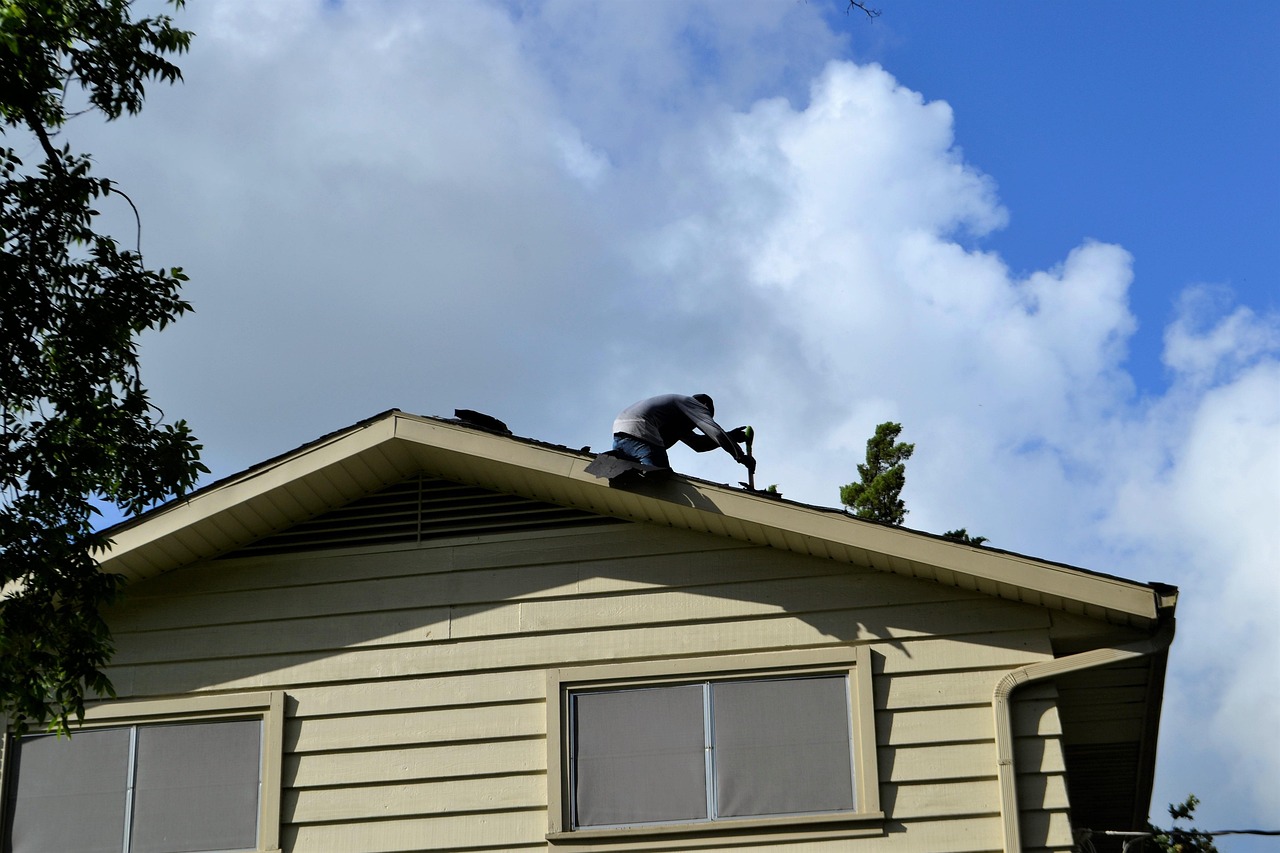
Early warning signs
Most roof problems give you hints before they turn into a household headache. You just have to know where to look. From outside, check for missing shingles, curled edges, dark patches, or metal flashing that looks loose. If your gutters keep filling with little granules, your shingles may be wearing down.
Inside, pay attention to ceiling spots, peeling paint near the top of walls, and attic smells that seem musty after rain. Even a tiny water mark can mean water is traveling farther than you think. Roof leaks are a bit like bad houseguests. They rarely stay in one spot.
If the warning signs keep popping up, it may be time to call an Atlanta roof repair company to inspect the damage and stop it from spreading. A quick repair now is usually much easier than fixing soggy drywall, ruined insulation, and surprise puddles later.
Why small leaks grow
A small leak sounds harmless. You picture a little drip in a bucket and move on with your day. Sadly, roofs do not share your optimism. Water can slip under shingles, soak wood, stain ceilings, and creep into insulation before you even notice it.
Once moisture gets trapped, more problems follow. Wood can weaken. Mold can grow in dark corners. Insulation loses its ability to help control indoor temperature, which can make your energy bill climb. That one tiny leak starts acting like it brought friends.
There is also the timing issue. A roof rarely leaks only when it is convenient. It waits for a storm, a weekend, or the day you have family visiting. That is why fast action matters. When you handle minor damage early, repairs stay simpler and more affordable. Waiting often turns a manageable job into a bigger project involving ceilings, paint, flooring, or framing too.
After-storm roof checks
After a strong storm, it is smart to do a quick roof check from a safe spot on the ground. You do not need a ladder or superhero confidence. Just walk around your home and look for obvious changes. Missing shingles, bent gutters, fallen branches, or debris piled in roof valleys can all point to trouble.
Next, head inside. Check the attic if you can do so safely. Look for damp wood, wet insulation, or a musty smell. Then scan your ceilings for fresh spots or bubbling paint. Pay extra attention to areas near chimneys, skylights, and vents since flashing around those spots can loosen over time.
If you hear dripping but cannot see water, do not ignore it. Water likes to travel along beams and show up far from the original problem. It is sneaky that way. A short inspection after heavy wind or rain can help you catch damage before the next storm turns it into something far more expensive.
Repair or replace
This is the question many homeowners dread. The answer depends on what your roof is dealing with. If the damage is limited to a small area, like a few missing shingles or one leak around flashing, a repair is often enough. That is especially true if the rest of the roof is still in good shape.
Replacement makes more sense when the roof is older, has repeated leaks, or shows widespread wear. If shingles are cracking all over, granules are disappearing, or repairs keep stacking up, patching may only buy you a little time. Sometimes the cheaper choice today becomes the pricier one next year.
Your budget matters too, of course. But it helps to think beyond the first estimate. A solid repair can extend roof life. A full replacement can reduce repeat service calls and help protect the rest of your home. The goal is not just fixing a symptom. It is making sure the roof can keep doing its job without constant drama.
Questions to ask first
Before hiring anyone, ask a few simple questions. Start with the basics. What exactly needs to be repaired? Is the problem limited to one area, or could there be hidden water damage underneath? A good roofer should explain things in plain language, not mystery-movie clues.
Ask for a written estimate that breaks down labor, materials, and cleanup. You also want to know how long the job should take and whether weather could affect the schedule. If someone gives only vague answers about your roof trouble, that is worth noticing.
A few other smart questions include:
– Will you check flashing, vents, and gutters too
– What kind of warranty is included
– How will debris and nails be cleaned up
– Will you provide photos of the damaged area
Good communication matters just as much as price. You want someone who respects your home, keeps you informed, and does not leave you guessing. Roof work is stressful enough without needing a detective hat.
Keeping your roof happier
You do not need to fuss over your roof every weekend, but a little routine care helps. Clean gutters so water can move away instead of backing up under the shingles. Trim tree branches that hang too close, especially if storms tend to turn them into flying broomsticks.
It also helps to check your attic a few times a year. Look for damp spots, unusual drafts, or signs of pests. Outside, keep an eye out for shingles that shift, curl, or look patchy compared with the rest. These simple habits can help you catch wear before it turns into a full-blown mess.
If your roof is getting older, schedule inspections more regularly. Think of it like a checkup for your house. No one gets excited about it, but it beats dealing with preventable roof trouble later. A roof does not need praise, but it does need attention. Give it a little now, and it will keep covering you without raising the roof in all the wrong ways.
