Parenting brings plenty of surprises, but few things trigger panic quite like a midnight cry of pain or a playground collision that leaves a tooth chipped. When your child is hurting, your maternal instincts scream to fix it fast. However, not every dental issue requires rushing out the door in the middle of the night. Distinguishing between a minor issue that can wait for regular business hours and a true crisis that requires an immediate trip to an emergency dentist will save you unnecessary stress, time, and money.
Making the right call relies on recognizing specific warning signs. Let us break down exactly how to evaluate oral health mishaps so you can act with calm confidence when your family needs you most.
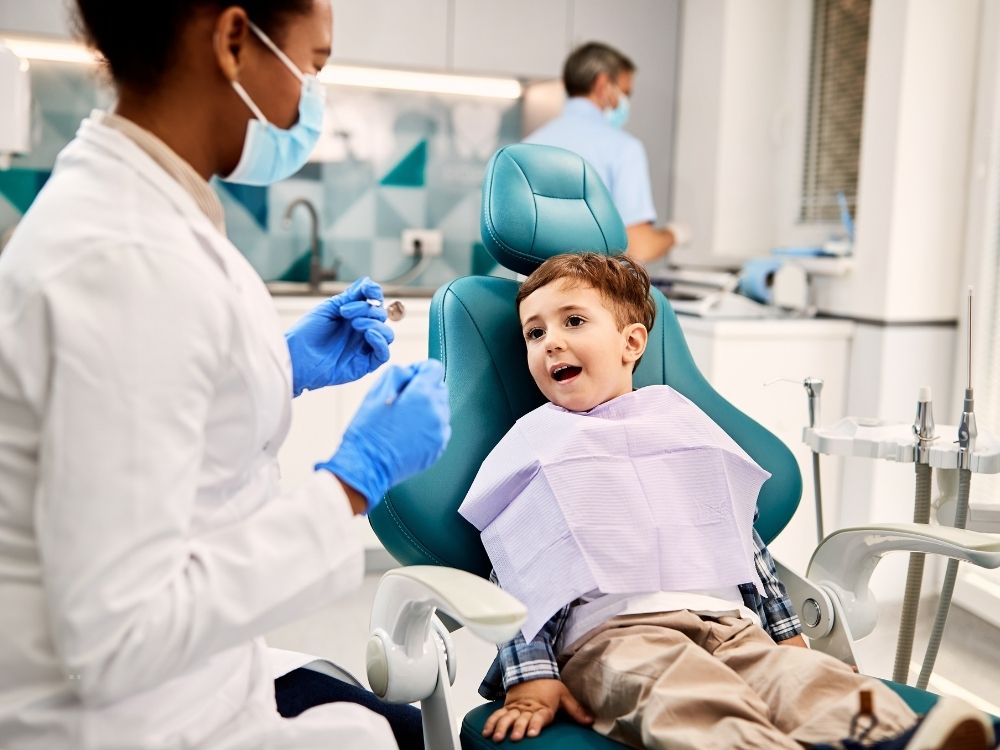
Red Flags That Require an Immediate Emergency Dentist Visit
Some oral health problems simply cannot wait until morning. Delaying treatment in these situations can result in permanent tooth loss or widespread bodily infection.
The Knocked-Out Permanent Tooth
If a sports injury or a heavy fall knocks out a permanent adult tooth, time becomes your biggest enemy. You have a tiny window, typically under an hour, to get the tooth successfully replanted into the socket. Handle the tooth only by the top crown, never touch the root, rinse it gently with water if it is dirty, and store it in a small cup of milk or saliva while you speed to the nearest clinic.
Severe Facial Swelling and Fever
A minor ache is one thing, but visible swelling in the jaw, cheek, or under the eye is a major warning sign. When accompanied by a fever, this swelling usually points to a dental abscess, which is a localized pocket of bacterial infection. Infections in the oral cavity can spread rapidly to the surrounding facial tissues and bloodstream, making it crucial to seek urgent professional care.
Uncontrolled Oral Bleeding
Deep lacerations to the tongue, lips, or cheeks frequently happen when kids roughhouse. Apply firm pressure to the area using clean gauze for at least ten to fifteen minutes. If the bleeding does not slow down or stop after this period, you need professional intervention to close the wound.
Sorting Urgent Crises From Non-Urgent Dental Issues
As a mother, you want to fix every single discomfort right away. However, understanding the difference between urgent emergencies and routine dental problems keeps you from overcrowding emergency rooms or overpaying for after hours visits.
Consider how common dental complaints stack up against each other when evaluating your next move:
- True Dental Emergencies: A loose or completely dislodged permanent tooth, a severe fracture that exposes the internal pink nerves, throbbing pain that keeps a child from sleeping, and painful swelling in the gums or jaw.
- Routine Dental Issues: A dull or minor toothache caused by trapped food particles, a lost filling or crown that does not cause severe pain, a tiny chip in the tooth enamel without nerve exposure, and minor mouth sores that heal on their own.
Choosing a Clinic That Balances Expertise and Comfort
When a genuine emergency hits your household, you do not want to waste time researching clinics on the fly. You need a trusted dental practice that handles sudden trauma with cutting-edge precision while keeping your anxious child perfectly calm.
Comprehensive dental ecosystems are best suited for these high-stakes moments. Established clinics like Nuffield Dental provide extensive multidisciplinary services, meaning their teams can efficiently manage everything from complex root canal therapy to pediatric oral surgery under a single roof. Opting for a clinic network with that depth of collective expertise ensures that whether you are dealing with a toddler or a teenager, the clinical approach will be swift, accurate, and deeply empathetic.
Always call the clinic while you are on the way to describe the symptoms so the emergency dentist and team can prepare the treatment room before you arrive.
Smart Home Remedies While You Wait for Care
If you determine that the situation is non-urgent and you don’t need an emergency dentist and can wait for a standard appointment tomorrow, you can still take active steps to keep your child comfortable at home.
Flush and Floss Gently
Sometimes a seemingly agonizing toothache is simply the result of a sharp popcorn kernel or hard piece of food wedged deeply between the teeth. Have your child warmly rinse their mouth with salt water, then use dental floss gently to clear out any irritating debris.
Manage Pain and Minimize Swelling
Administer an appropriate dose of children’s ibuprofen or acetaminophen to help curb the discomfort. Wrap an ice pack or a bag of frozen vegetables in a soft towel and apply it to the outside of their cheek for fifteen minutes at a time to keep local swelling to a minimum. Never place an aspirin tablet directly against the aching tooth or gums, because this causes chemical burns on the soft oral tissue.
Wrapping It Up
Navigating a family dental crisis requires a balanced mix of quick thinking and reliable information. By mastering the signs of a true emergency, maintaining a well-stocked home care routine, and knowing exactly which multi-specialty clinics to trust, you can protect your children’s smiles through any unexpected accident. Stay prepared, trust your maternal instincts, and remember that professional help is always just a quick phone call away.
