Finding the best water heater for your home is essential for comfort, efficiency, and long-term cost management. Whether you are building a new house or replacing an aging unit, understanding your options and making the right choice will pay off for years to come. If you reside in Canada, it is helpful to look at specific regional services, such as water heater installations in Ontario. for tailored advice and professional help.
With so many kinds of water heaters available, shopping for the right system can feel overwhelming. Besides choosing a unit that reliably delivers hot water when you need it, you need to consider efficiency, fuel source, installation requirements, and your household’s unique demands. Making a wise choice means lower utility bills, fewer repairs, and a better experience for everyone in your household.
Before making any decisions, take the time to evaluate your family size, typical hot water usage patterns, fuel availability in your area, and your budget for both the upfront cost and long-term operation. Many homeowners in Canada discover that their needs are different from those in other parts of North America due to the climate and housing styles. For those in Ontario, dedicated services like water heater installations in Ontario ensure installations are done right the first time, with efficiency and code compliance in mind.
In this guide, you will discover the core factors every homeowner should consider before investing in a new water heater. Not only will this help you avoid paying more for energy than necessary, but it will also ensure that the system remains reliable for years to come. For additional details, check out this Consumer Reports overview of water heater buying advice that goes in-depth on modern units.
Types of Water Heaters
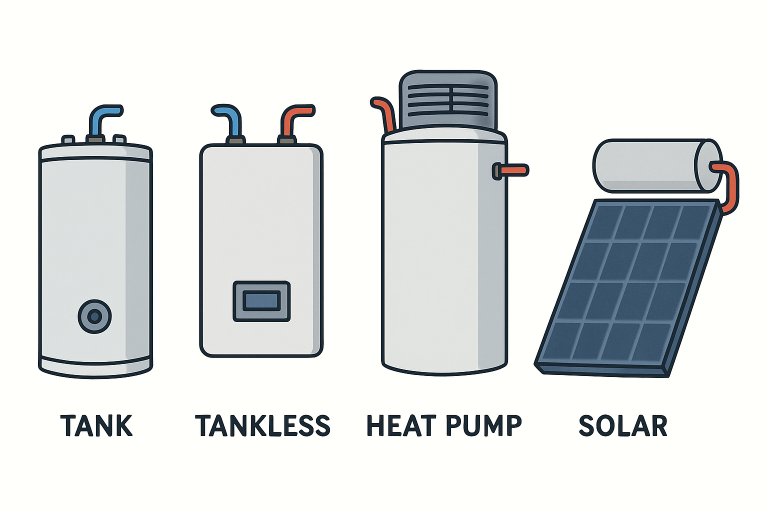
There are several different kinds of water heaters on today’s market, each with its own strengths and ideal applications. Choosing the best fit depends on your household size, budget, and energy priorities.
- Conventional Storage Water Heaters: The most common type found in homes, these use an insulated tank to hold a reserve of hot water, ready when needed. They are reliable, but standby heat loss can waste energy. For families with high, concentrated usage, this type is typically a safe choice, but they can run out during peak demand.
- Tankless (On-Demand) Water Heaters: A space-saving solution that heats water directly as it is used. This type has a higher initial cost but can save energy because it produces hot water only when needed. These are a great choice if space is limited or you want to reduce your energy bills, though the flow rate must match your demand during busy hours.
- Heat Pump Water Heaters: These highly efficient models move heat from the air or ground to warm water, using less energ,y especially in milder climates. They require more installation space and are best suited for utility rooms or basements in temperate zones.
- Solar Water Heaters: This eco-friendly option uses solar panels to collect energy from the sun. While it can greatly reduce operating costs, solar heaters require a backup for cloudy days, and the upfront investment is higher. They are best suited for homes with sunny exposure and a willingness to invest in long-term savings.
- Tankless Coil and Indirect Water Heaters: These models use your home’s space heating system to provide hot water. They make sense if your heating system is active much of the year, but are less effective during the summer when it isn’t running.
Assessing Your Household’s Hot Water Needs
The right-sized system is critical for comfort and efficiency. Too small, and you’ll run out of hot water. Too large, and you will waste energy heating more water than needed.
- Household Size: A larger family will require a larger storage tank or a tankless system with a higher flow rate. Estimate 10-15 gallons per person per day if you use a conventional tank system.
- Peak Hour Demand: Consider when your family uses the most hot water (such as mornings or evenings) and calculate the total gallons required during these times. Be sure your system can supply enough hot water for simultaneous tasks, such as showers and laundry.
For more on calculating the right size, review the Department of Energy’s water heater sizing guide for step-by-step tips. It is essential to get this step right so you don’t spend more than necessary on energy and still meet your family’s needs.
Energy Efficiency Considerations
An energy-efficient water heater saves money and helps the environment. When shopping, check:
- Energy Factor (EF) or Uniform Energy Factor (UEF): Higher numbers mean better efficiency, so compare this rating on every model you consider.
- ENERGY STAR Certification: Models with this certification meet stringent efficiency standards and often qualify for rebates or incentives.
Opting for highly efficient models is often worthwhile, especially since the savings accumulate over the system’s lifespan. For a trusted overview of the latest energy-saving standards for water heaters, browse the ENERGY STAR page for water heaters.
Fuel Types and Availability
The ideal fuel source for your home largely depends on your existing infrastructure and local fuel availability:
- Electricity: Compatible with many types of heaters, this is usually the simplest to install, where available.
- Natural Gas: Lower operational costs and quick recovery times, but requires an existing gas line and proper venting.
- Propane: A reliable option for rural areas lacking natural gas, but usually more expensive than natural gas.
- Solar Energy: Clean and cost-effective in the long term, but availability and efficiency depend on local weather.
Always weigh energy cost differences in your specific region when choosing a water heater. Local suppliers can help explain which options are most efficient and affordable based on your address.
Installation Requirements and Space Constraints
Addressing installation considerations in advance helps avoid costly problems or code violations later. Key factors include:
- Space Availability: Tankless units are more compact compared to large tank models, making them suitable for condos, apartments, and smaller homes.
- Ventilation: Gas-powered units must vent combustion gases safely outdoors. Improper venting is a safety hazard and can lead to code violations.
- Electrical Requirements: Ensure your home’s electrical system can support a new water heater, especially if opting for a heat pump or a larger electric model.
Consulting with a professional installer is always recommended to ensure your unit is installed safely in your chosen location and that all technical requirements are met.
Cost Analysis: Initial and Operating Expenses
- Initial Purchase and Installation: Tankless and solar units require a higher investment but generally offer substantial savings on monthly utility bills and have longer lifespans.
- Operating Costs: Energy-efficient units deliver lower power or gas bills over the life of the heater. Consider the incremental savings when comparing options.
- Incentives and Rebates: Many governments and utilities offer rebates for high-efficiency models. For example, a federal tax credit of up to $2,000 for heat pump water heaters is available until December 31, 2025. Find full details on CNET.
Maintenance and Lifespan
- Routine Inspections: Check tanks for corrosion and sediment. This maintenance extends the life of your heater and ensures safe, efficient operation.
- Professional Servicing: Schedule regular check-ups to avoid costly breakdowns and learn about necessary part replacements before they cause bigger issues.
- Expected Lifespan: Most storage tank water heaters last 8-12 years, while tankless heaters can operate effectively for up to 20 years if well maintained.
Conclusion
Choosing the right water heater is about balancing your family’s needs, your energy-use goals, available fuel types, and your budget. By considering the type of heater, efficiency ratings, installation requirements, and ongoing maintenance, you can enjoy reliable hot water and lower costs for years to come. Consulting knowledgeable professionals in your area ensures you receive expert advice and proper installation tailored to Ontario’s unique conditions.
