Energy-Efficient Roofing: A Guide for Commercial Property Owners
Energy-efficient roofing is gaining importance in commercial real estate due to rising utility prices, tightening energy codes, and tenant demand for sustainable spaces, requiring property owners to reduce their carbon footprint, improve comfort, and enhance tenant satisfaction. For decision-makers seeking to establish a competitive edge, consulting with specialists such as a commercial roofing consultant Denver is crucial. This guide provides expert guidance on energy-efficient roofing systems for commercial properties, highlighting the benefits of premium materials, latest innovations, financial incentives, and regional regulations, encouraging property owners to save money, comply with standards, and promote environmental stewardship.

Understanding Energy-Efficient Roofing
Energy-efficient roofing systems are designed to limit heat absorption, stabilize interior temperatures, and optimize the building’s thermal envelope. These systems reflect the sun’s UV and IR rays, reducing heat gain and HVAC demands. They also contribute to heat retention during winter months. Implementing these systems is about immediate savings and aligns with building codes, tenant expectations, and a global push towards lower-carbon operations. This results in a comfortable indoor environment and reduced energy expenditures.
Benefits of Energy-Efficient Roofing
Energy-efficient roofing reduces energy costs, improves indoor comfort, and contributes to environmental sustainability. By reflecting sunlight, these roofs can lower indoor temperatures, potentially reducing cooling costs by 15% to 20%. Consistent indoor climates lead to higher productivity, tenant contentment, and reduced complaints, influencing renewal rates and market reputation. Enhanced comfort and reduced glare also support health and well-being. Switching to energy-efficient roofing also helps lower greenhouse gas emissions, smog, and air pollution, aligning with corporate sustainability goals.
Key Materials and Technologies
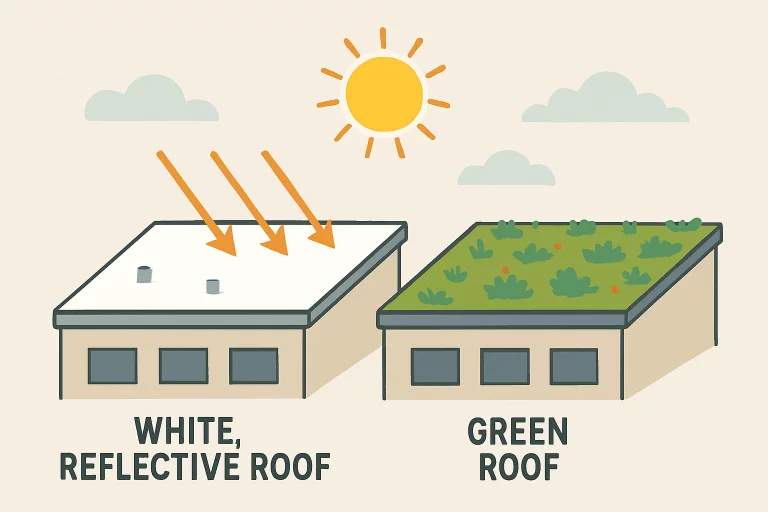
Reflective coatings, green roofs, and solar panels can enhance roof energy performance. Reflective coatings absorb solar radiation, reducing cooling costs and extending roof lifespan. Green roofs introduce vegetation, providing insulation, biodiversity enhancement, and reducing stormwater runoff. Solar panels, integrated on commercial roofs, convert unused roof space into renewable electricity, potentially supplying a significant portion of a facility’s energy needs. This lowers utility spending and allows buildings to participate in energy buy-back programs or achieve net-zero energy targets.
Homeowners living in the seat of Johnson County often seek roof replacement solutions in Olathe, KS that incorporate these modern energy-efficient technologies to lower utility bills year-round. Partnering with experienced regional contractors ensures every upgrade is properly installed to withstand Midwest weather conditions while boosting overall property value.
LA residents like to consult commercial roofing services in Los Angeles, CA, to ensure the latest energy-efficient materials and sustainable technologies are correctly integrated into their properties. Working with localized professionals ensures that all installations comply fully with building codes and maximize protection against regional weather patterns.
Implementation Considerations
Energy-efficient roofing projects require careful material selection, including TPO, PVC, and EPDM. Advanced reflective coatings or overlay systems can revitalize older roofs without total tear-off. Site-specific factors like slope, structural load, climate, and foot traffic should be considered. A commercial roofing consultant can help tailor material choices. Professional installation is crucial for real-world performance and warranty conditions. Consistent maintenance is essential for roof efficiency and durability, with scheduled inspections extending roof lifespan and providing up to 20% energy savings.
Financial Incentives
Significant financial incentives are available at the local, state, and federal levels to encourage commercial energy-efficiency improvements. Tax credits, rebates, and direct grants can meaningfully offset upfront costs, improve cash flow, and accelerate return on investment. Utility companies may also offer programs or rebates for the installation of reflective coatings, upgraded insulation, or green roof systems. It’s wise to carefully research all available opportunities and work alongside industry experts or consultants to ensure all eligible incentives are secured and properly documented.
Conclusion
For commercial property owners, energy-efficient roofing represents a clear pathway to building performance, occupant satisfaction, and meeting urgent environmental challenges. With tangible savings on operational costs, improved indoor comfort, and robust support for sustainability objectives, these advanced roofing solutions have become a hallmark of responsible property management and future-focused investment. Begin by identifying the right materials for your facility, prioritizing skilled installation, and implementing a proactive maintenance program. By taking strategic action today, you will secure decades of operational efficiency and set your property apart as a leader in sustainability.
