
From Tears to Cheers: Easing Back-to-School Anxiety Before the First Bell
The start of a new school year can evoke a whirlwind of emotions! For some kids, it’s a thrilling time filled with anticipation as they prepare to reunite with friends, show off their shiny new backpacks, and dive into exciting new lessons. But for others, the transition can be a source of back-to-school anxiety and nervousness as they face the unknowns of new teachers, classmates, and routines.
If your child is feeling those back-to-school jitters, know that you’re not alone—many parents experience this, and it’s perfectly normal! The good news is that there are plenty of effective and comforting strategies you can use to help your child navigate this transition smoothly.
Here’s a friendly, practical guide to easing back-to-school anxiety and setting your child up for a confident start.

Understand Where the Anxiety Is Coming From
Start by identifying what’s behind your child’s nerves. Are they worried about a new teacher? Finding friends? Keeping up with homework? Having a gentle, open conversation helps uncover specific fears and shows your child that their feelings are valid. Even if they can’t quite name what’s wrong, your calm curiosity creates a sense of safety.
You might say something like, “I noticed you seem a little quiet when we talk about school. Want to tell me more about that?” It’s okay if they don’t answer right away—just knowing you’re there and ready to listen is powerful. Be patient and check in regularly.
Prep Emotionally, Not Just Logistically
Getting school supplies and clothes ready is important, but emotional preparation matters just as much. If your child has a lot of “what if” questions, help them play out scenarios together. Role-play common school situations like meeting the teacher, navigating the cafeteria, or finding the right bus.
If the school allows it, take a walk through the building a few days beforehand. Point out where the classroom, bathroom, and main office are. These small familiarities go a long way in reducing back-to-school anxiety.
Make a “feelings plan” together. This can be a simple list of calming tools: taking deep breaths, drawing a picture, asking a teacher for help, or even carrying a smooth stone in their pocket as a comfort object.

Create Predictable Routines
Routines offer comfort and reduce the unknowns that can fuel anxiety. Start easing into school-year routines a week or two early: consistent bedtimes, screen-free mornings, and a regular rhythm after school for homework, play, and relaxation.
In our home, we post a visual schedule on the fridge—just a simple chart with morning tasks like “brush teeth” and “pack lunch”. Younger kids especially love checking things off, and it helps them feel more in control of their day.
You can also create rituals to anchor transitions, like a morning playlist or reading the same book each night. These rituals become emotional touchstones.
Model Confidence and Calm
Your tone and body language send a strong message. Kids are experts at picking up on adult anxiety, so even if you’re nervous, try to model calm assurance. Smile, speak clearly, and keep your own worries in check when talking about school.
Instead of saying “Don’t worry,” try: “It’s totally normal to feel a little nervous. Let’s talk through what you can do if that happens.” This kind of language validates their feelings while giving them tools to cope.
I remember how nervous I got on my first day of school. But as soon as I saw my friends, those butterflies went away and we all shared our excitement together. Never underestimate the value of a friend!
Build a Special Goodbye Ritual
A simple, consistent goodbye routine can provide a sense of stability. Create a special handshake, draw a heart on each other’s hand, or tuck a short note into their lunchbox. Knowing what to expect helps kids feel more secure.
One mom I know kisses her kids’ palms and says, “Hold onto this until I see you again.” It’s a small gesture with a big emotional impact. Find a ritual that feels genuine to your relationship.

Teach Kids That Self-Care Isn’t Just for Grown-Ups
Children benefit from self-care too. Teach your child that taking care of their body and emotions is part of feeling strong and confident. Explain it in simple terms: “Self-care means doing things that help us feel calm, happy, or strong.”
Encourage habits like stretching in the morning, deep breaths before class, journaling, having quiet time, or spending time outdoors. After school, let them decompress with a favorite activity before diving into homework.
Together, build a mini self-care toolkit: a favorite book, a soft stress ball, a calming music playlist, or a few affirmations they can keep in their backpack. You could even draw a chart of “feel-good ideas” they can turn to when feeling overwhelmed.
Know When to Seek Extra Support
If your child’s anxiety doesn’t improve after a few weeks or interferes with daily functioning, it might be time to loop in a school counselor, pediatrician, or therapist. Warning signs can include trouble sleeping, headaches, school refusal, or excessive worry.
Getting professional support doesn’t mean you’ve failed—it means you’re committed to helping your child thrive. Therapists can provide tools like CBT techniques or mindfulness exercises that are tailored to your child’s needs.

Final Thought: You’ve Got This
Back-to-school transitions take time. There might be tears or clingy mornings, and that’s okay. With patience, routine, and emotional support, your child can go from nervous to confident.
And as you guide them through this season, you’re not just helping them survive it—you’re teaching them how to face challenges, name their feelings, and build resilience that will serve them well far beyond the classroom.
Remember, easing back-to-school anxiety isn’t about eliminating all fears—it’s about showing your child they have the support and skills to handle them. And with you by their side, they do.
Check out this list of toys to help ease Anxiety!
Here are ten kid-friendly self-care and emotional support products available on Amazon and similar retailers. They are perfect for easing back-to-school anxiety, helping with self-regulation, and offering comforting routines.
10 kid-friendly self-care and emotional support products
Here are 10 kid-friendly self-care and emotional support products available on Amazon and similar retailers—perfect for easing back-to-school anxiety, helping with self-regulation, and offering comforting routines:

Combines whimsy with function; kids can squeeze and hear a friendly quack, providing both fun and calm focus.

Includes pop‑bubbles, liquid timer, spinners, cubes, and puzzle balls—a combo to suit every mood or sensory need.

A well-rounded toolkit with stress balls, coping skill cards, and guided activities—ideal for supporting emotional learning.

ThinkPsych Roll with It - CBT Coping Skills Kit - Anger Management - Stress Relief
Engaging CBT-based kit that prompts kids to identify and manage their feelings using interactive dice and tools.

Push, squeeze, and watch glittery goo cascade—soothing to the touch and visually calming.

Curated box of emotional tools (breathing exercises, emotion wheels, tactile aids) designed to build emotional intelligence.
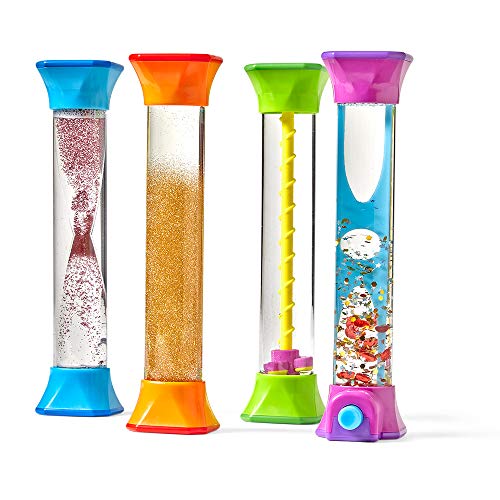
Features glitter tubes, reverse hourglass, spin owl—great for quiet sensory breaks or classroom use.

Schylling NeeDoh Nice Cube -Sensory Squeeze Toy with Super Solid Squish - 2.25" Cube
A colorful, squeezable cube that slowly bounces back—perfect for stress relief and satisfying tactile sensation.
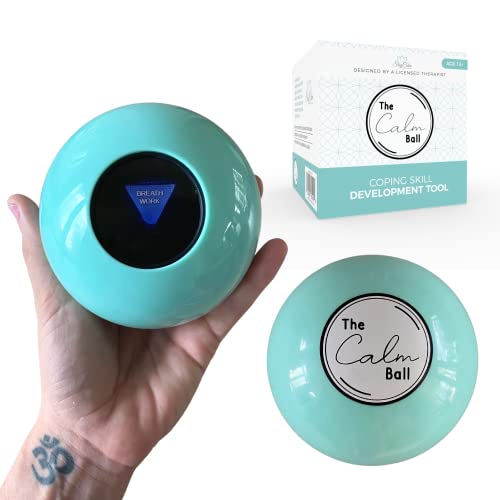
Tactile ball crafted for safely releasing tension, with supportive structure to ease frustration or anxiety.

Combine creativity and self-care with this engaging one-of-a-kind journal that guides children through mindfulness activities, self-reflection prompts, and more!
