The materials used in the construction of modern structures have a significant impact on their sustainability, utility, and attractiveness. Architects and designers should consider the creative and adaptable choice of decorative concrete. Unlike the dull gray slabs of the past, it offers various design possibilities, from complex patterns and textures to vivid colors and finishes.
Aesthetic Flexibility for Design Innovation
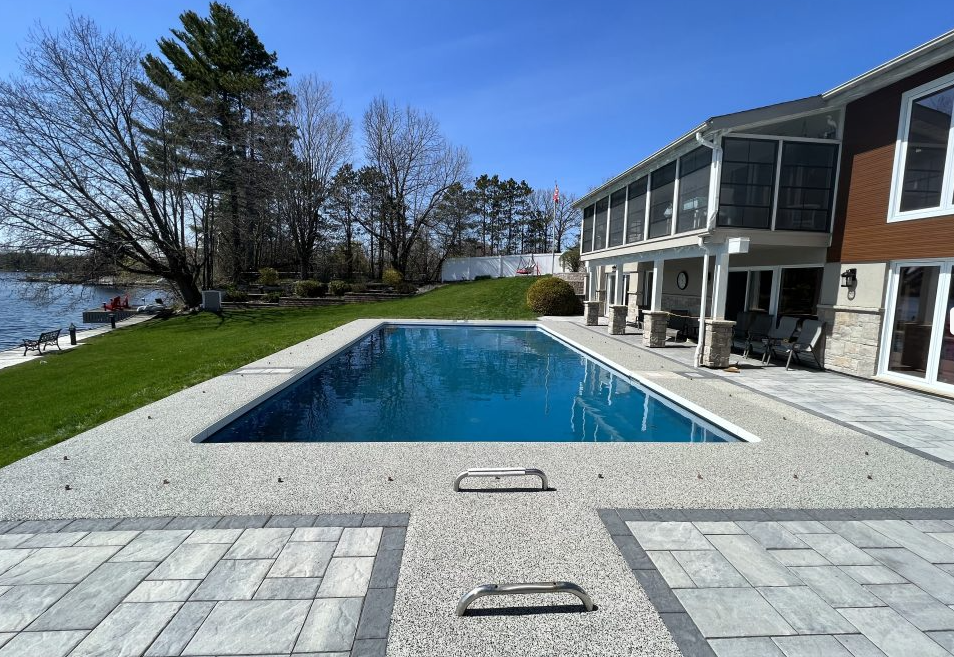
Architects and designers highly value decorative concrete because it can transform spaces. It provides extensive customization options, with a wide range of colors, textures, and finishes unmatched by conventional materials. This concrete is highly versatile, allowing for various simple and intricate designs. Modern architecture has a growing trend of adding stylized concrete finishes to outdoor entertainment areas, such as pool decks. Professionals who want to implement such designs may find value in professional pool deck refinishing solutions, which offer the appeal of sophisticated architecture while ensuring durability and functionality.
Durability That Endures
The appeal of decorative concrete goes beyond its surface beauty; it is a composition renowned for standing the test of time. Its resilience against environmental stressors is a significant benefit, especially in regions with extreme weather conditions. Even in heavy foot traffic areas, it maintains its integrity without succumbing to the routine wear that other materials might suffer. This sustainable lifespan reduces the need for frequent maintenance and reinforces its position as an economically sound choice for long-term construction projects. Sealants can further safeguard the decorative surface, ensuring it remains impervious to moisture and resistant to stains, thus preserving the initial artistic vision.
Low Maintenance, High Reward
A primary advantage of decorative concrete is the luxury of time saved on maintenance and repairs. The regular upkeeping of decorative concrete is remarkably uncomplicated compared to other surfaces that may necessitate specialized care or frequent refinishing. Occasional cleaning with mild detergents or just plain water is often enough to keep the decorative concrete looking pristine. This low maintenance requirement is convenient for property owners and managers and contributes to a reduced environmental footprint, as the need for harsh chemicals and extensive water usage is minimized.
Eco-Friendly and Sustainable
As people become more aware of the importance of sustainable construction practices, decorative concrete is gaining recognition for its environmentally friendly attributes. The manufacturing of this concrete involves using recycled materials and local resources, reducing waste and energy consumption, resulting in a lower carbon footprint.
Additionally, the ecological benefits of decorative concrete extend beyond its production phase. Specific decorative concrete finishes can reflect sunlight, reducing heat absorption in buildings. This attribute can significantly lower energy costs in warmer climates through natural cooling. Opting for decorative concrete is wise for those who value eco-friendly architecture. This is because itoffers sustainable features that align with green architecture principles.
Adding Value Without Excess Cost
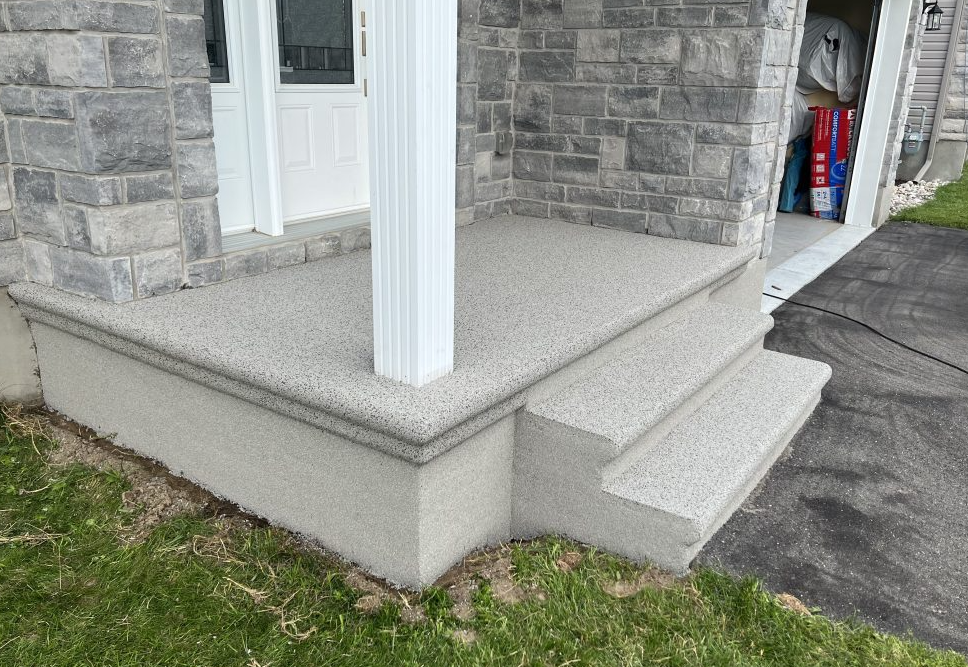
Incorporating decorative concrete can be a strategic investment for commercial entities or residential homes. It brings an upscale look to any property, potentially elevating its market value without the substantial costs typically involved in high-end finishes. The sturdiness and low maintenance aspects further add to the financial appeal, as they diminish long-term care expenses and prolong the lifetime of the investment. While the cost of installing decorative concrete may be moderate, the resultant rise in property value and aesthetic charm endorse it as a wise and valuable addition to any building project.
Technical Advancements in Concrete Decoration
The technological evolution in decorative concrete has been both dramatic and beneficial. Today, concrete is not just mixed and set; it is sculpted, colored, and animated with textures that defy traditional expectations. Advanced stamping, staining, and polishing techniques have augmented the design capabilities, providing a broad canvas for creative expressions. These technological leaps are not simply aesthetic; durability and environmental sustainability have also been enhanced as newer compounds and mixtures increase decorative concrete applications’ strength and ecological soundness. Such innovations promise a spectrum of future possibilities for designers and architects whose only limit is their imagination.
