Who Will Most Benefit From Primitive Reflex Exercises? Identifying Key Groups for Optimal Development
Primitive reflex integration exercises can be particularly beneficial for individuals struggling with developmental delays or sensorimotor challenges. Primitive reflexes, the automatic movements originating in the central nervous system, are typically replaced by more sophisticated and voluntary motor skills as a child grows. However, when these reflexes are retained past infancy, they can interfere with physical and neurological development, affecting coordination and motor skills. It is in such cases that targeted exercises for reflex integration can provide significant improvements.
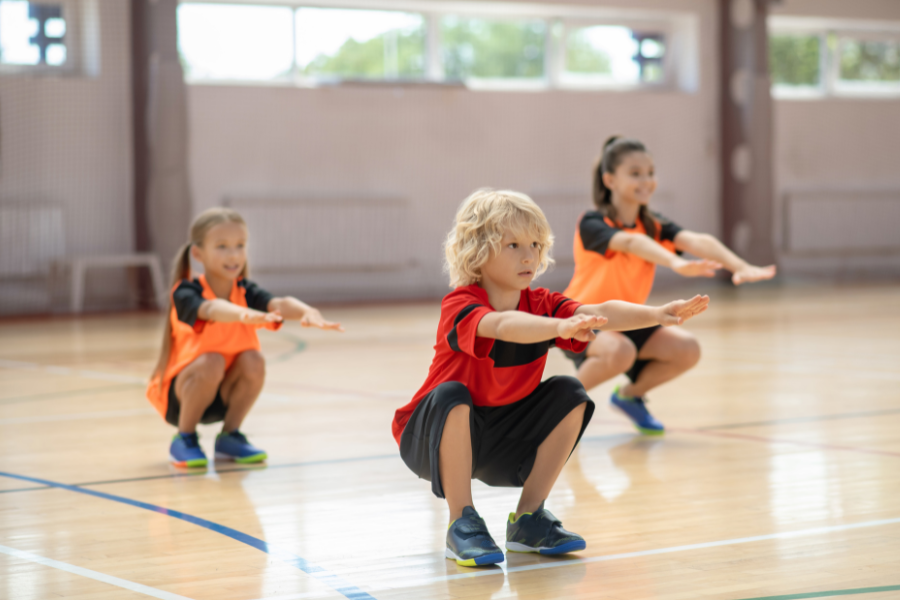
Children with retained primitive reflexes often face difficulties in areas such as balance, posture, and bilateral coordination. By exploring the benefits of primitive integration reflex exercises and engaging them for reflex integration, children can enhance their ability to perform everyday tasks with greater ease.
Key Takeaways
- Targeted reflex exercises aid those with developmental delays.
- Improving reflex integration enhances balance and coordination.
- Both children and adults with retained reflexes can benefit.
Understanding Primitive Reflexes
Primitive reflexes are a set of involuntary movements that newborns exhibit, which facilitate survival and development. As a child matures, these reflexes are typically integrated into higher-level voluntary control.
Significance of Reflex Integration
Reflex integration is crucial for the smooth transition from reflexive movements to conscious, voluntary motor skills. These primitive reflexes, such as the Moro reflex or rooting reflex, are foundational for later movement and coordination. When not properly integrated, they can result in challenges with child development.
Common Retained Primitive Reflexes
Among the commonly retained primitive reflexes are:
- Asymmetric Tonic Neck Reflex (ATNR): Influences hand-eye coordination and can impact writing and reading skills if retained.
- Symmetric Tonic Neck Reflex (STNR): Can affect posture and the ability to crawl which is integral for reading and writing.
- Tonic Labyrinthine Reflex (TLR): Affects balance and can interfere with the ability to maintain a stable visual field, impacting learning.
- Palmar Grasp Reflex: Its retention can hinder the development of fine motor skills.
- Spinal Galant Reflex: This may lead to fidgeting and can impact concentration if retained past infancy.
These reflexes should naturally diminish as the central nervous system matures, and the foot grasp reflex and Babinski reflex are also observed to fade as part of this process.
Assessment of Retained Reflexes
Professional assessment of retained reflexes is essential for identifying potential delays or challenges in child development. This usually involves observing the response to specific stimuli that would trigger a reflex in an infant, such as turning the head in a way that would have activated the asymmetrical tonic neck reflex in a younger child. Understanding these can guide interventions to support the child’s developmental journey.
Benefits and Exercises for Reflex Integration
The integration of primitive reflexes is crucial for the development of motor skills, coordination, and cognitive functions. Specially designed exercises can help individuals overcome challenges associated with retained reflexes, leading to improved daily function and skill acquisition.
Targeted Exercises for Reflex Integration
Retained primitive reflexes can impede motor development and cognitive functions, but targeted exercises can facilitate primitive reflex integration. One exercise is the starfish exercise, which supports hand-eye coordination and balance, helping improve focus.
Another important activity is tummy time, especially for infants, which encourages the natural disappearance of reflexes crucial for crawling and walking. For those struggling with handwriting and reading, exercises like crossing midline enhance visual tracking and the ability of both sides of the brain to work together, which is essential for academic success.
- Crawling patterns are significant for integrating reflexes that affect attention and memory.
- Balance exercises can support not just physical stability but also emotional regulation and sensory integration.

Enhancing Daily Functions and Skills
Primitive reflex integration exercises are more than just movements; they’re building blocks for daily life. Individuals, especially children on the autism spectrum, can benefit from these exercises as they often face challenges with sensory integration and hyperactivity. For instance, consistent practice can lead to improvements in voluntary movement and posture, which are closely connected to better concentration and motor skills.
For fine motor skills necessary for tasks like potty training or speech articulation, activities like finger tapping or playing with small objects can be helpful. Moreover, these exercises not only support the physical aspects such as the central nervous system and brainstem but also aid the development of the frontal lobe which governs executive functions like planning and control.
- Implementing visual tracking exercises can greatly assist those with difficulties in reading and following moving objects or tasks.
- Addressing poor posture through reflex integration can lead to enhanced attention spans and reduced trauma or allergy responses, as the body becomes more attuned to its environment.
Conclusion
Individuals with motor skills challenges, such as those on the Autism spectrum or with ADHD, stand to gain significantly from these exercises. However, the diagnosis should be made by a relevant healthcare professional. The exercises should be discussed with the professional as well to understand if they align with a specific person and diagnosis or not. Integration of these reflexes is crucial for the maturation of the nervous system and can lead to improvements in coordination and attention. Approaches to mitigate primitive reflex activity may vary, but consistent exercise is key to potential enhancement in both motor and sensory profiles. It is evident that integrating these primitive reflex integration exercises into developmental routines is beneficial and can foster optimal growth and learning outcomes.
