Reviewing the Latest Research on Nootropics for Managing ADHD Symptoms
ADHD is relatively prevalent and also lasts a lifetime. If you have it, you are likely familiar with ADHD’s far-ranging negative impact on your brain function, academics, work performance, social relations, and personal relationships. As frustrating as ADHD symptoms may be, there are options to help, like ADHD drugs and strategic supplementation with natural brain-boosting nootropics.
To manage your ADHD symptoms, feel free to consult ibuyalprazolam. According to researchers, a placebo effect mainly influences people who believe their mental performance has increased thanks to nootropics. If you’re more confident and think you’ll do better, you will do better. However, some believe nootropics will give you superhuman mental abilities. Still, they do think they have the potential to offer some people an edge.
Nootropics and ADHD symptoms
Nootropics are drugs that improve our mental performance. They include ADHD drugs like Adderall and Ritalin, plus substances like caffeine and nicotine. Nootropics first referred to chemicals that met particular criteria. But now, it refers to any natural or synthetic substance that may positively impact mental skills. Nootropics fall into three categories: dietary supplements, synthetic compounds, and prescription drugs.
ADHD stands for attention deficit hyperactivity disorder. It’s also known as attention-deficit disorder (ADD). Adults with ADHD symptoms may experience alterations in brain performance associated with cognitive and behavioral issues, including:
- Disorganization
- Multitasking difficulty
- Inability to concentrate
- Miss small details
- Poor planning
- Rush through tasks
- Mood swings
- Diminished cognitive ability
- rush through tasks
- Trouble coping with stress
These are just a few of the several symptoms associated with ADHD. Of course, trying anything and everything is natural to handle your daily activities better. Nootropics for ADHD represent a safe and natural alternative therapy that might help you to improve attention and more. Still, remaining cautious and curious about possible treatments is essential to ensure your health and safety.
When managing ADHD, health professionals prefer options that improve memory, attention, and overall mental performance. They may accomplish this by prescribing nootropics.
ADHD’s Brain Chemical Connection
While researchers do not yet know what is behind ADHD, A popular hypothesis involves three thought-regulating neurotransmitters collectively known as catecholamines:
- Norepinephrine: Manages attention, vigilance and sleep cycles
- Dopamine: Drives motivation and reward/gratification functions
- Epinephrine: Stimulates the brain for quick and sharp thinking under stress
Unbalanced catecholamine levels are linked with ADHD. Conversely, healthy catecholamine levels are critical for your brain and ADHD-linked executive functions, like attention, working memory and impulse control.
Considering catecholamine neurotransmitters’ impact on the brain’s executive functions, it is simple to see how disruption of the catecholamine system might affect the focus, mood, decision-making, social interaction, and other ADHD (as well as ADD) markers.
How Do Nootropics Help With ADHD Symptoms?
Conventional ADHD therapies target the catecholamines Norepinephrine and dopamine, the same brain chemicals associated with attention. So, in theory, nootropics that support those same neurotransmitters might help with attentional performance and other executive functions that are affected by ADHD.
Catecholamine-optimizing nootropics may sharpen attention naturally, safely, and without stimulants.
L-Tyrosine may be the best nootropic for ADHD. It is the primary building block for synthesizing catecholamine neurotransmitters.
In addition to supporting attention-related brain chemicals, nootropics may indirectly help with other ADHD-related mental performance issues like:
- Memory
- Motivation
- Relaxation
- Energy
- Concentration
- Focus
What Is The Best Nootropic For ADHD?
They have similar action methods, whether a nootropic is produced in a lab or occurs naturally. Nootropics boost blood circulation to the brain, and the brain gets more oxygen and nutrients. One of these nutrients is glucose. Glucose is vital for energy generation. The brain and nervous system cells rely on this energy to send messages, enabling us to focus our attention and face challenges better. It means that nootropics:
- increases brain activity
- enhances thinking
- improves memory
- boosts adaption skills
Regardless of what piques your interest, speaking with the doctor before taking any of these, whether natural or in the drug form, is essential.
Methylphenidate (Ritalin)
Methylphenidate, or Ritalin, is the first-line drug treatment for children with ADHD. Studies indicate that it is highly effective, even after long-term use. If you take it as directed, the risk of dependence is low. However, higher or extra doses may increase this risk. So talk with your doctor before changing your amount.
Having trouble sleeping or feeling extremely nervous are the most common side effects of methylphenidate. If you experience these, consult your healthcare professional to explore alternative drugs or dosages potentially.
Dextroamphetamine sulfate (Dexedrine)
Another stimulant, Dextroamphetamine sulfate, lessens your impulsiveness while increasing your attention. However, some people may develop a tolerance after long-term use. So after taking Dexedrine for a while, the doctor might ask you to stop taking it to monitor the symptoms. You may then need to switch to another nootropic.
Ginkgo Biloba
This natural supplement promotes blood flow to the brain to improve memory. Although less effective than prescription medications, it may improve ADHD symptoms. However, it would be best to use it cautiously since it increases the risk of bleeding.
Caffeine
When you take in caffeine, you might notice the following:
- increased attention
- improved memory
- improved learning
Caffeine accomplishes this without causing undesirable side effects associated with some prescription medications.
Are Nootropics Safe?
Nootropics are schedule 1V medications and pose a low risk for abuse and addiction, unlike schedule II branded stimulants like Adderall. Schedule IV substances have a low potential for abuse. Schedule IV medications serve a similar purpose in promoting wakefulness. They stimulate certain brain chemicals, resulting in better outcomes at minimal risk.
These medications are effective short-term solutions for improving attention and enhancing memory or for extended use to support long-term brain function and health. In both cases, these supplements are effective, safe, and well-tolerated.
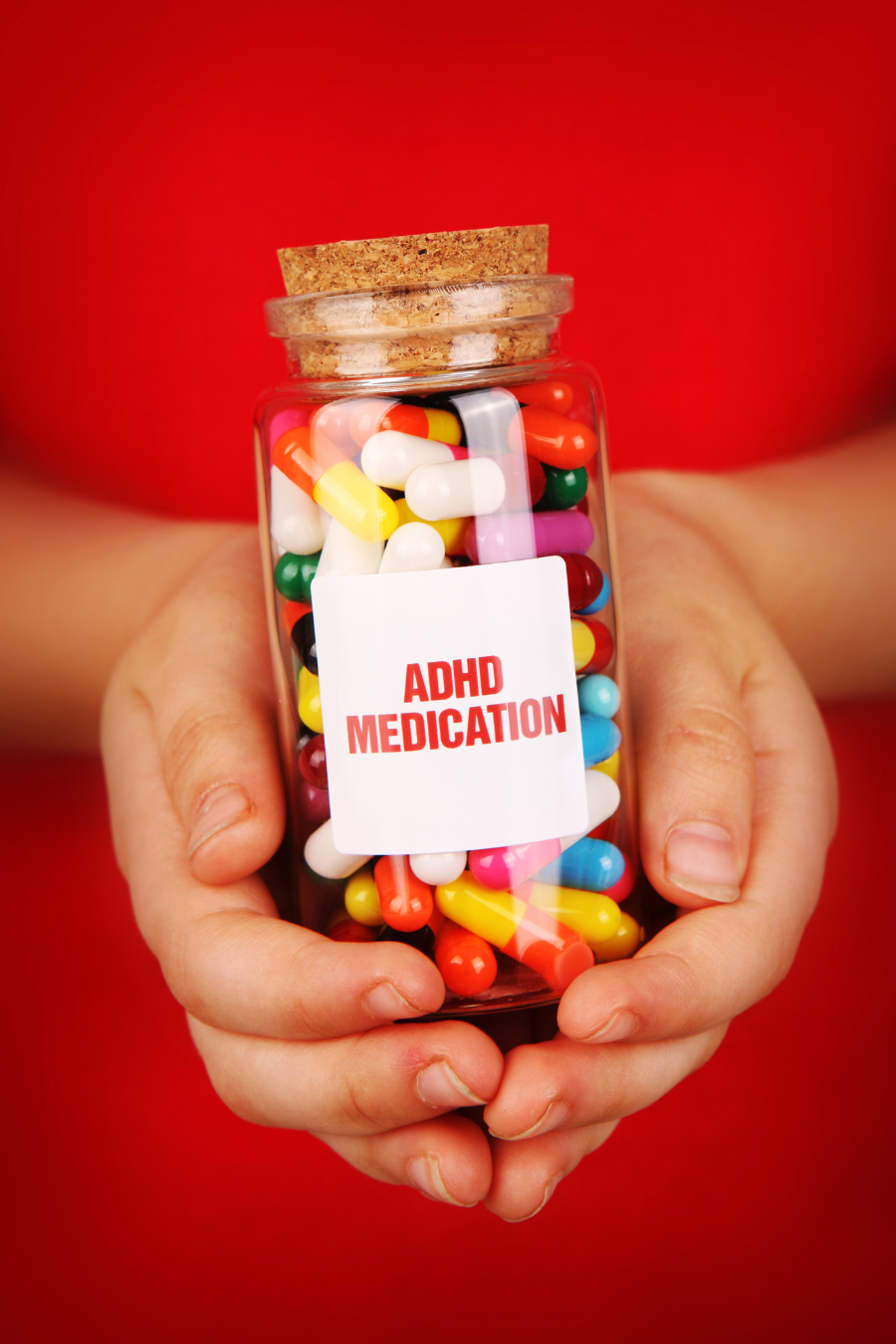
Side Effects and Risks of Nootropics
Common side effects of prescription nootropics include:
- high blood pressure
- a fast heart rate
- insomnia and other sleep disturbances
- trouble with vision
- addiction
Research suggests that people who use prescription nootropics to improve brain function have an increased risk of impulsive behaviors, such as risky sexual practices. Therefore, healthcare providers must work closely with those taking prescription nootropics to help manage any side effects or monitor their condition.
Conclusion
The latest research on nootropics for managing ADHD symptoms is promising, but it’s important to remember that self-medicating without professional medical input is ill-advised. Therefore, before adding any supplement to your routine, you should always consult a healthcare provider or qualified nutritionist to ensure the best outcome and avoid any potential adverse reactions.
Additionally, strategies like improved sleep hygiene, following a nutritious diet, and reducing stress through relaxation techniques like yoga or meditation may provide alternative ways to manage ADHD symptoms better.
All in all, nootropics can be safely and effectively added to an existing management plan, including medications and lifestyle changes. As more research continues to advance our knowledge around these supplements and their effects on ADHD symptoms, we hope that individuals suffering from this disorder can begin to experience a greater quality of life.
