Dangerous Driving Habits That Cause Thousands of Accidents Every Year
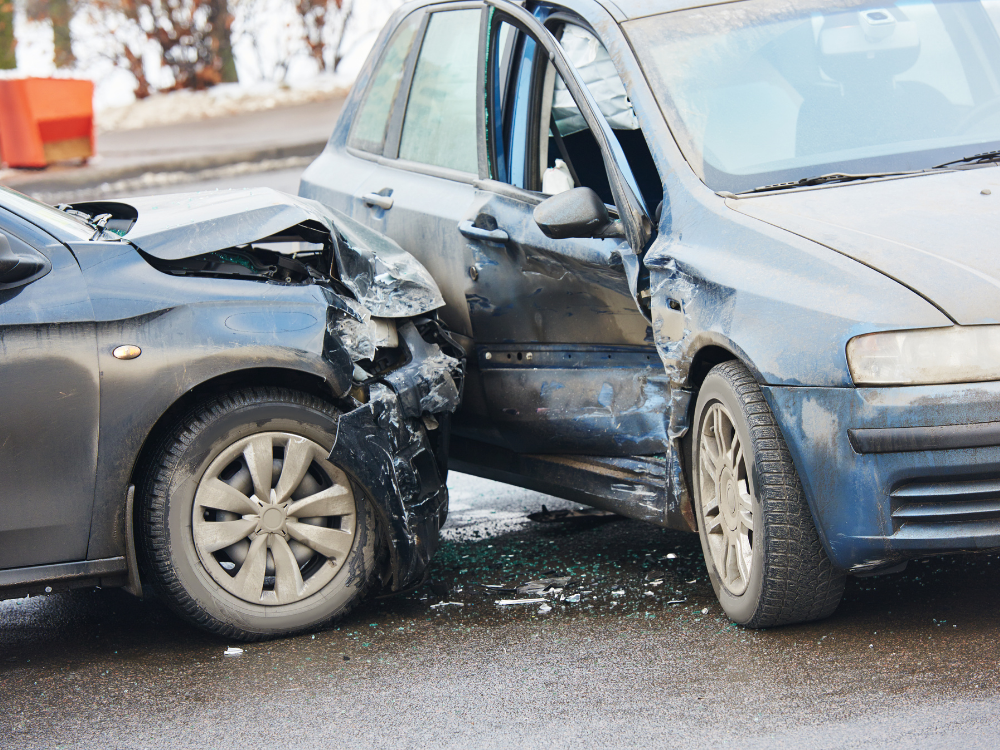
Every year, tens of thousands of people lose their lives in traffic crashes across the United States, and millions more suffer injuries ranging from minor cuts to life-altering disabilities. While vehicles have become safer thanks to advanced technology, many accidents are still caused by preventable driver behavior. Understanding the deadliest driving habits can help you stay safer on the road and protect everyone around you.
1. Distracted Driving
Distracted driving remains one of the leading causes of traffic accidents in 2026. While smartphones are still a major concern, distractions now go beyond texting and phone calls. Drivers are increasingly interacting with navigation systems, vehicle touchscreens, smartwatches, and in-car entertainment systems.
Even hands-free technology can be dangerous because it diverts mental attention away from driving. When your mind is focused on a conversation, text notification, or playlist selection, your reaction time can suffer significantly.
Distracted driving caused 3,208 deaths and more than 315,000 injuries in 2024, according to NHTSA.
How to Stay Safe:
- Put your phone on Do Not Disturb mode while driving.
- Program GPS directions before leaving.
- Avoid adjusting vehicle settings while in motion.
- Keep both hands on the wheel and your attention on the road.
2. Ignoring Traffic Laws
Traffic laws exist to keep everyone safe, yet many drivers routinely bend or ignore the rules. Small violations can quickly lead to serious consequences.
Rolling Stops
Many drivers slow down at stop signs without coming to a complete stop. This habit increases the risk of collisions with pedestrians, cyclists, and other vehicles.
Excessive Speeding
Speeding continues to be a major factor in fatal crashes. Modern vehicles may feel stable at high speeds, but increased speed dramatically reduces reaction time and increases the severity of accidents.
Failure to Yield or Merge Properly
Improper merging and failure to yield remain common causes of highway accidents. Safe merging requires adjusting your speed to traffic flow and communicating your intentions with turn signals.
How to Stay Safe:
- Follow posted speed limits.
- Come to a complete stop when required.
- Use turn signals consistently.
- Be courteous and allow safe merging when possible.
3. Tailgating
Following another vehicle too closely leaves little room to react if traffic suddenly slows or stops. Rear-end collisions are among the most common types of crashes, and many occur because drivers underestimate how much stopping distance they need.
Weather conditions, vehicle size, road surfaces, and speed all affect stopping distance. A safe following distance gives you valuable time to react to unexpected situations.
How to Stay Safe:
- Follow the three-second rule in normal conditions.
- Increase following distance during rain, snow, or heavy traffic.
- Avoid aggressive driving behaviors.
- Stay patient during congested traffic situations.
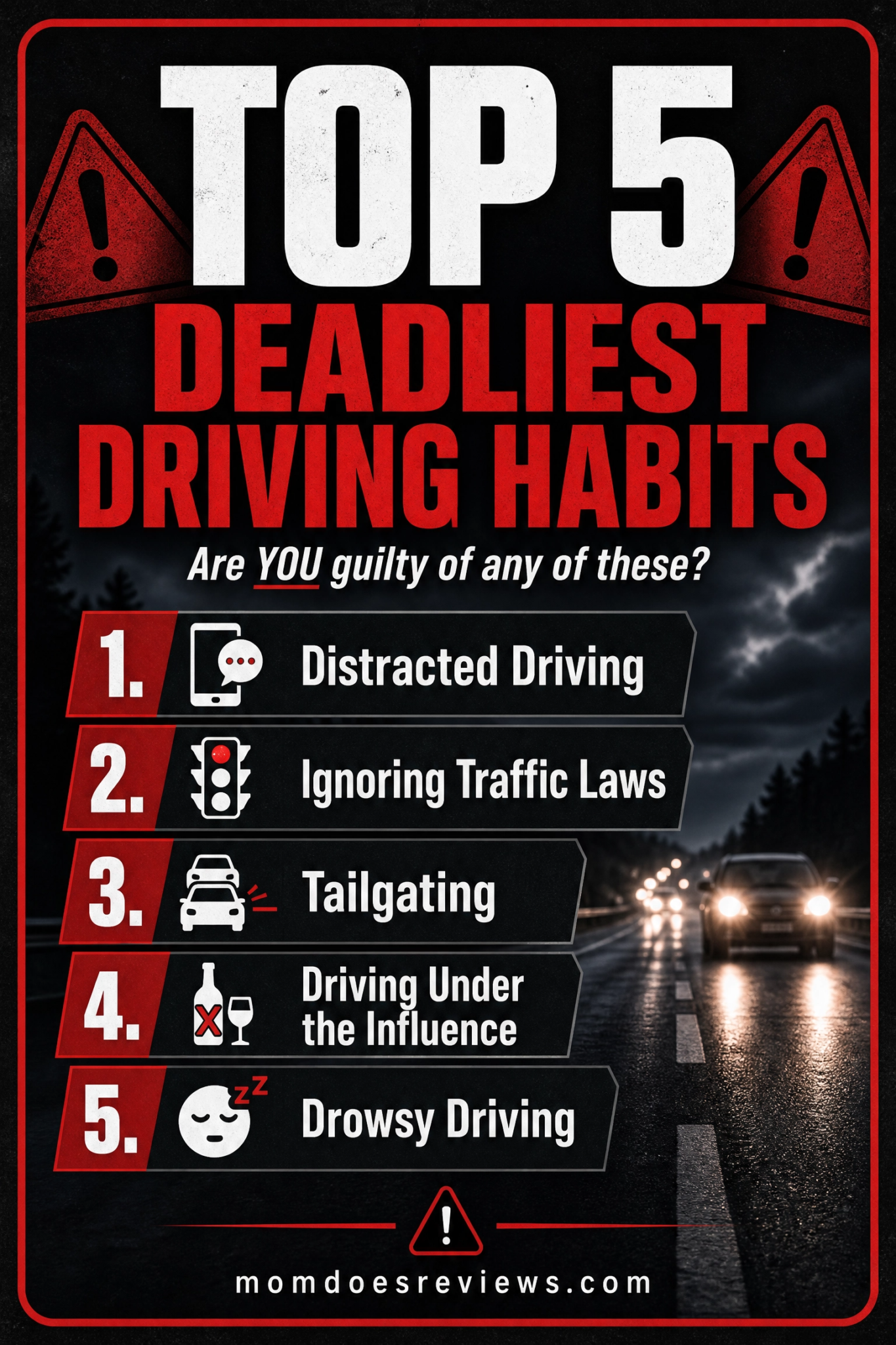
4. Driving Under the Influence
Most people immediately think of alcohol when discussing impaired driving, but impairment can come from many sources. Prescription medications, over-the-counter drugs, recreational substances, and even certain combinations of medications can affect judgment, reaction time, and coordination.
Always read medication labels carefully and consult your doctor or pharmacist if you’re unsure whether a medication could affect your driving ability.
How to Stay Safe:
- Never drive after consuming alcohol or drugs.
- Review medication warnings before getting behind the wheel.
- Arrange alternative transportation if you’re impaired.
- Encourage friends and family to make safe transportation choices.
5. Drowsy Driving
Drowsy driving is often underestimated, yet it can be just as dangerous as impaired driving. Fatigue slows reaction times, reduces awareness, and can even cause drivers to fall asleep for a few seconds—a phenomenon known as a “microsleep.”
These brief moments of lost attention can be deadly, especially at highway speeds.
How to Stay Safe:
- Get adequate sleep before long trips.
- Take breaks every two hours during road trips.
- Share driving responsibilities when possible.
- Pull over and rest if you feel tired.
Final Thoughts
Today’s vehicles are equipped with impressive safety features, including automatic emergency braking, lane-keeping assistance, and collision warnings. However, technology cannot replace responsible driving habits. Most accidents are preventable when drivers stay alert, follow traffic laws, and make safety a priority.
If it’s been several years since you reviewed driving safety practices, consider taking a defensive driving course. A refresher can help you develop safer habits, improve awareness, and potentially even lower your insurance costs. Safe driving isn’t just about protecting yourself—it’s about protecting everyone who shares the road.
